|
Getting your Trinity Audio player ready...
|
Cassona Global Imaging Ltd., a US-backed healthcare company, has rolled out a financing and training model aimed at tackling the high cost and limited access to medical equipment across healthcare facilities in Nigeria and West Africa.
John Chigbu, the firm’s chairman and chief executive, explained that the initiative is designed to make several advanced diagnostic equipment, such as scanners, affordable for hospitals, clinics and doctors in the region, ensuring patients are no longer denied treatment because equipment is too expensive or unavailable.
“Our goal in coming to West Africa is simple: we want Africans to have access to affordable equipment. For example, if a CT scanner costs $1million, that is not sustainable. What we provide is equipment you can acquire for $230,000 to $250,000 and we finance it. You dont have to wait years to save, you can get your equipment today”, Chigbu said in a statement to mark the company’s third anniversary.
Read also: NNPC, Foundation to boost healthcare access with medical equipment donation

Under the company’s financing plan, Chigbu said hospitals and doctors can pay 20 per cent upfront, with the balance spread over 24 months. He added that Cassona undertakes full maintenance of the machines to ensure they operate daily.
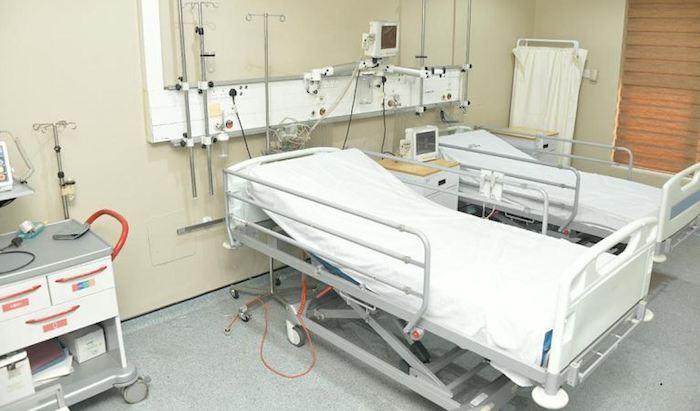
The initiative targets one of the biggest challenges in Nigeria’s healthcare system: limited access to modern diagnostic equipment. Many public hospitals lack functional CT scanners, X-ray machines and ultrasound systems, forcing patients to travel long distances or pay prohibitive fees at private facilities.
The company’s model also addresses power reliability, one of the biggest threats to sensitive medical machines, by installing uninterrupted power supply systems to keep them running during outages.
“When electricity goes off, sensitive equipment can be damaged, that’s why we provide UPS systems, so the machines never even notice when the light goes out. That way, they keep running seamlessly”, Chigbu added.
Chigbu said the company had proven its model in Ghana, where 140 installations were completed in three years without a single failure. “Nigeria is huge, you don’t come here first until you’ve proven the concept. In Ghana, we proved it,” he added.

Cassona’s model also seeks to close training gaps. Chigbu noted that most medical education in Africa is theoretical, leaving many doctors and radiographers without practical exposure to equipment. According to Chigbu, the company trains professionals on how to operate machines and has now set up Cassona Edge, an academy for refresher courses and hands-on sessions.
Chigbu stressed that healthcare must become efficient for Africa to build human capital and attract investment. “You can build all the roads and infrastructure you want, but without health and education, no nation can attract true investment. That is why we are here—to make healthcare in Africa affordable, accessible, efficient and sustainable,” he said.
He added that Cassona’s mission was not to create a monopoly but to galvanise the private sector, while urging governments to focus on enabling regulation and investment-friendly conditions. “One mistake people make is to think the government can do everything. That’s not true. We are responsible for making healthcare work,” he said.
Kemi Ogunyemi, Special Adviser on Health to the Lagos State Governor, said Cassona’s approach fits into the state’s agenda, stressing that partnerships with firms that provide complete solutions in equipment supply, training and maintenance are vital for ensuring access to affordable, quality healthcare in Lagos.
Enoch Uche, Abia State Commissioner for Health, commended Cassona for equipping more than 130 centres across West Africa in three years, describing the firm as a key partner in efforts to achieve universal healthcare coverage and pledging Abia’s readiness to collaborate in expanding affordable services.