



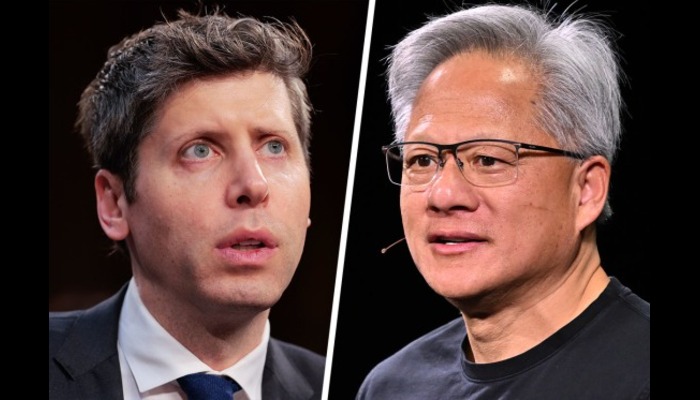
Major technology firms like Nvidia and OpenAI are reportedly welcoming the new $100,000 (£74,000) fee for skilled-worker permits and are open to hiring exceptional foreign talent.
While the move has been widely condemned by smaller businesses and is causing chaos among global talent, Jensen Huang, CEO of Nvidia and Sam Altman, CEO of OpenAI and some industry leaders see it as a strategic measure to secure the world’s most exceptional minds and effectively price out competitors.
The abrupt announcement of the 50-fold hike in the H-1B visa fee has sent shockwaves across the tech landscape, particularly among STEM graduates from Nigeria, India and other countries who represent over 70 per cent of all H-1B holders.
For startups and mid-sized firms, the cost presents a near-insurmountable barrier, threatening to stifle their ability to hire key international employees.

Read also: White House clarifies $100,000 H-1B visa fee as India, Nigeria weigh global talent mobility risks
Speaking on the changes, Huang stated, “We want all the brightest minds to come to the US; and remember immigration is the foundation of the American Dream.”
Echoing this sentiment, Altman described the fee hike as a constructive policy shift, remarking, “We need to get the smartest people in the country, and streamlining that process along with establishing financial incentives seems beneficial to me.”
Meanwhile, the UK has seized the opportunity to position itself as a more welcoming alternative.
Rachel Reeves, Chancellor of the Exchequer, has used the US policy change to highlight Britain’s contrasting approach.

At the opening of Revolut’s new headquarters, Reeves said the UK wanted to differentiate itself from other countries around the world by being open to the best talent globally.
Read also: H-1B results are out — How applicants can check selection status in 2025
For now, the debate over the new H-1B fee is far from settled, with the full impact on global talent flows yet to be seen.
While some of America’s biggest firms may be able to absorb the costs and continue to attract top talent, the policy risks a “brain drain” from the U.S. to other countries, including the UK, that are actively rolling out the red carpet.





