The Federal Government has been alerted to the fact that the multi-billion-naira public investment in the Nigeria–Niger’s railway project will not translate into instant return on investment in ticket sales and freight charges, when the project becomes operational.
The rail, is however, viewed as one of the strategic infrastructural projects that will impact bi-lateral relationship between Nigeria and one of its closest neighbours, Niger Republic, as well as promote people to people ties in the area of trade and other forms of economic relations.
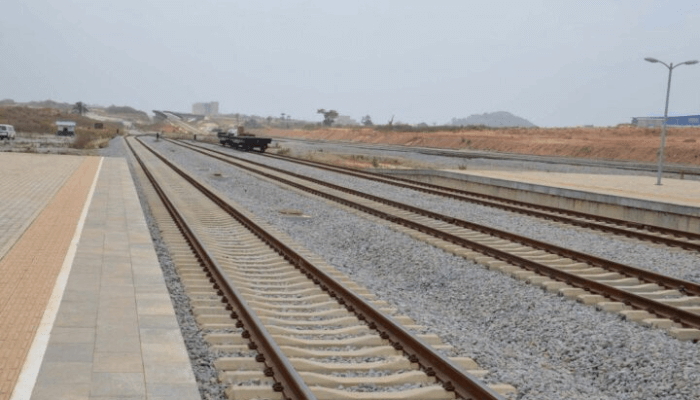
BusinessDay’s checks on the project, indicate that the earthwork of the project has been completed, while the actual laying of the rail track is in progress. This aspect of the project, Mohammed Idris Malagi, Niger’s Minister of Information, and National orientation, confirmed that it had reached about 60% completion.
The rail project which is estimated to cost Nigeria over $2 billion, industry experts hinted is not likely to pay for the public investment in building it, from anticipated ticket sales to passengers and freight charges for its usage.

The cost of building, and running the railway network on completion on a yearly basis is projected to be higher than the money that it is anticipated it will generate from passengers and movement of goods, at least in the short and medium terms.
When completed, the standard gauge rail project would be connecting people and goods, across major commercial and business cities on the Northwest corridor (Kano-Jigawa-Katsina), to Maradi, one of the largest commercial towns in Niger Republic.
From the position of the viability of the project, experts said there is a high probability that the railway would be unable to operate without Government subsidies or very cheap long-term loans as it is expected to run at a loss.
One of the key benefits that the project is expected to deliver, is the tremendous socio-cultural value it will be providing for people of both countries, as the rail-line has the tendency to make the movement of people from that part of region, to southern parts of Nigeria, safer and cheaper.
Speaking on the rail project, Isyaku Ahmed, Executive Director, Stallion times Limited, a Kano based online research and media group, said that one of the other major benefits that the rail would bring to Northern Nigeria is to fast track the movement of bulk goods.

He noted that the rail will also ensure a reduction in damage on roads in the region, caused by heavy trucks that are being used to convey most of the bulk household products, petroleum, and farming moving from southern part of Nigeria to the North, up to Niger Republic.
Isyaku said the biggest beneficiary of the rail project will be the people of Niger Republic, a landlocked country, that depend heavily on Nigeria seaports, as well as the ports in Benin Republic, for its importation, and exportation activity.
In addition, he said that the rail system is expected to provide tangible impact, as it will boost cross-border trade and regional cooperation in West Africa, as well as help the citizens of the both country, who are dominantly farmers and traders carry out their businesses easily.
“As you know the towns that the rail is designed to connect are the agro-processing centres, as well as logistics hubs of the two countries. I am talking of Kano, Katsina, and Maradi, it is expected that the actualisation of the rail will improve travel for passengers in communities.
“The pros of the project are: Cheaper transport for goods: Rail can move bulk farm produce, fertilizer, and fuel at a lower cost than trucks, and less road damage: Shifting heavy freight from trucks to rail reduces wear and tear on highways, saving on repairs, in addition to boosting trade with Niger, as goods from the landlocked country can directly access Nigerian markets, and ports.
“In the tangible supports it will give to activity in agriculture, in particularly, is that it will be easier to move commodity like, grains, groundnuts, sesame, and other crops, from farm gates to processing centres, a development that will further strengthen the historic between Nigeria, and Niger, as well as promote cooperation and security”, he stated.
Also collaborating Isyaku, Usman Darma, new President, Kano Chamber of Commerce, Mines, Industry, and Agriculture (KACCIMA), noted that the completion would boost trade and business facilitation in the entire Northern corridor.