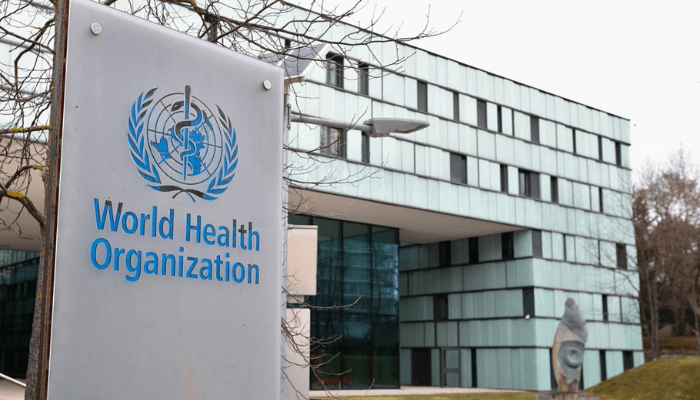
The World Health Organisation (WHO) has warned that Nigeria’s progress in reducing deaths from noncommunicable diseases (NCDs) is slowing, as the global health body called for renewed political will and investment to tackle what it described as “silent killers”.
In a new report published Thursday and titled ‘Saving lives, spending less’, WHO reported that between 2010 and 2019, Nigeria was among a group of countries, including China, Egypt, Russia and Brazil, that recorded a reduction in premature deaths from NCDs. Improvements were largely driven by declines in cardiovascular disease and certain cancers, WHO said. However, the pace of progress has slowed compared to the previous decade, reflecting a global trend in which nearly 60% of countries experienced a deceleration, the agency stated.
The WHO estimates that NCDs, together with mental health conditions, claim 32 million lives each year in low- and middle-income countries (LMICs), where nearly three-quarters of all NCD-related deaths occur.
“NCDs and mental health conditions are silent killers, robbing us of lives and innovation. Investing in the fight against NCDs isn’t just smart economics, it’s an urgent necessity for thriving societies”, Tedros Adhanom Ghebreyesus, WHO director-general stated.

The global health body expressed concerns that progress in reducing NCDs is being undermined by lobbying from powerful industries including companies producing tobacco, alcohol and ultra-processed foods who frequently seek to weaken or delay regulation.
“It is unacceptable that commercial interests are profiting from increasing deaths and disease. Governments must put people before profits and ensure evidence-based policy is not derailed by corporate pressure”, Etienne Krug, director of WHO’s Department of Health Determinants, Promotion and Prevention.
The report emphasised that solutions are not only affordable but also highly cost-effective. WHO identified 29 priority interventions known as “Best Buys”, which include measures such as tobacco and alcohol taxation, restrictions on marketing unhealthy products to children, expanded screening for cervical and breast cancer, and better management of hypertension.
According to WHO, full implementation of these measures by 2030 could prevent 28 million heart attacks and strokes globally, add 150 million healthy life years, and create economic benefits exceeding US$1 trillion.