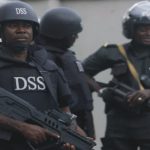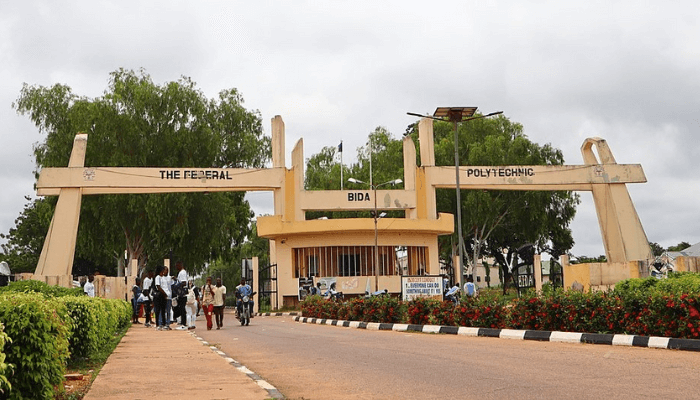
The crisis at the Federal Polytechnic, Bida, Niger State, took a dramatic turn on Monday when soldiers were deployed to examination halls to maintain order. The move came after threats of disruption by members of the Academic Staff Union of Polytechnics, who are at loggerheads with the school management over lingering disputes.
Students were left stunned as uniformed military personnel walked into their exam halls, a sight that highlighted how serious the situation has become. What should have been a normal exam day turned into a tense moment as the presence of soldiers signalled the level of mistrust between the school management and its academic staff.
The management of the polytechnic said it had no choice but to involve soldiers after the union allegedly threatened to stop the ongoing semester examinations. The school authorities explained that the presence of security forces was necessary to protect students, staff, and property from a possible breakdown of law and order. According to sources within the school, the leadership of the union had earlier vowed to disrupt the exams if their demands were not met. This forced the management to request help from security operatives, including soldiers, to ensure the examinations went ahead without incident.
But union members are telling a different story. They accused the polytechnic’s management of intimidation and high-handedness, insisting that involving soldiers was a way of silencing their legitimate struggle. Leaders of the union said their disagreement with management revolves around issues like poor welfare of staff, alleged mismanagement of funds, lack of transparency in promotion exercises, and poor teaching conditions. They argued that rather than resolving the grievances, the school authorities have resorted to using force. They also described the deployment of soldiers as an abuse of power and a threat to academic freedom, insisting that universities and polytechnics are places of learning and dialogue, not military camps.

The biggest losers in this face-off are the students. Many of them say they are living in fear, unsure of what might happen next. Some complained that the exam tension had been worsened by the sight of soldiers patrolling their halls. One student said, “We came here to write exams, not to face soldiers. This whole crisis is not our fault, but we are the ones suffering the consequences. Some of us are already worried that the exams might be canceled if the fight continues.” Another student added that the standoff between the union and the management could lead to delays in the academic calendar. “We don’t want to graduate late. They should settle their issues and allow us to study in peace,” he said.
This is not the first time the polytechnic has faced internal crises. Over the years, disagreements between the staff union and management have become a recurring problem. At the heart of the matter are complaints about funding, staff welfare, and transparency in school administration. The union has often accused the management of neglecting workers’ rights, while the management insists it is working within the limited resources provided by the government. The lack of trust between the two parties has made dialogue difficult.
Officials from the school management defended their decision, saying the safety of students was their top priority. They insisted that exams must continue as planned, adding that no staff union has the right to hold the academic progress of students to ransom. One management source explained that bringing in soldiers was to prevent violence and safeguard lives and property.
Education experts fear that if the crisis is not resolved quickly, it could cripple academic activities in Bida Polytechnic. The lingering face-off between management and the union could also affect the reputation of the institution, discourage new admissions, and undermine the confidence of parents and students. Some analysts also warned that using soldiers in academic environments could set a dangerous precedent, stressing that the matter should be resolved through dialogue, not by bringing in the military.
For now, the exams are continuing under tight security, but tensions remain high. The union has not backed down on its demands, and the management is equally firm about its stance. Without quick intervention from higher authorities such as the Ministry of Education or the National Board for Technical Education, the crisis may drag on. The students, meanwhile, are pleading for peace. They want both sides to bury their differences and focus on what matters most: providing quality education and protecting their future.

The deployment of soldiers to a Nigerian polytechnic is a striking reminder of how fragile the country’s education system can be when staff welfare, management disputes, and student interests collide. Unless urgent steps are taken to build trust and resolve grievances, the learning environment could continue to suffer. For now, the exam halls at Federal Polytechnic, Bida, remain under the watchful eyes of soldiers, a stark symbol of an academic crisis that has spilt beyond the classroom.