The Economic Community of West African States (ECOWAS) has taken a decisive step toward dismantling barriers to free movement and boosting regional trade with the establishment of the ECOWAS Business Council (EBC).
Musa Nuhu, Nigeria’s Permanent Representative to the Economic Community of West African States (ECOWAS), described the newly established ECOWAS Business Council (EBC) as a “game changer” in tackling long-standing barriers to regional integration.
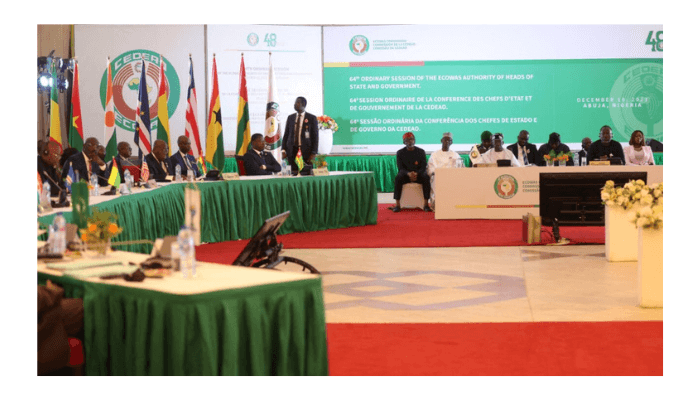
Speaking at a hybrid preparatory meeting of stakeholders held in Abuja, Nuhu said the council represents the long-awaited mechanism to address challenges hindering the effective implementation of the ECOWAS protocol on the free movement of persons, goods, services, and capital.
He stressed that the EBC would serve as a critical platform for engaging the private sector in the bloc’s integration process.

The two-day meeting, which brought together government officials, private sector representatives, and regional stakeholders, was convened ahead of the formal inauguration of the 21-member council.
Read also: ECOWAS deepens fight against human trafficking, gender-based violence
It focused on fine-tuning modalities for the council’s structure and operations, with emphasis on inclusivity and representativeness.
In her opening remarks, Massandje Toure-Litse, ECOWAS Commissioner for Economic Affairs and Agriculture, noted that deliberate efforts were being made to ensure that the composition of the council reflects the diversity of the region’s private sector landscape.
Represented by Tony Luka Elumelu, Director of Private Sector, she underlined the importance of a council that speaks with a unified voice for businesses across West Africa.

Stakeholders at the meeting agreed that the EBC would provide a structured channel for dialogue between policymakers and the private sector, while also serving as a platform to address trade barriers, boost competitiveness, and accelerate economic integration in the sub-region.
The council is set to be formally inaugurated later this year, with a mandate to work closely with ECOWAS institutions, member states, and business communities to deepen economic ties and promote sustainable development across West Africa.