|
Getting your Trinity Audio player ready...
|
Albania has taken an unprecedented step in governance by appointing an artificial intelligence system as a cabinet-level “minister” tasked with cleaning up one of the country’s public procurement sector.
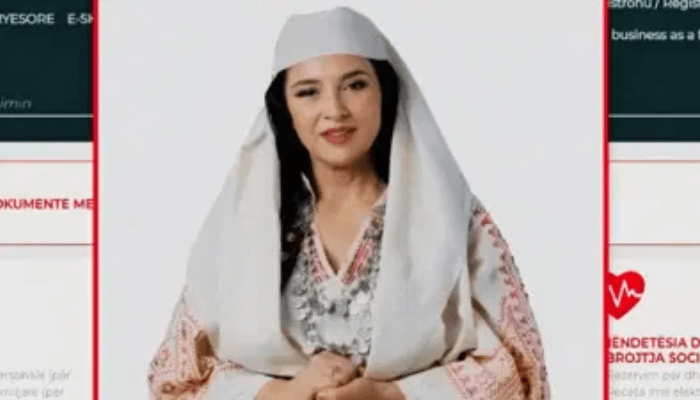
Edi Rama, the Prime minister unveiled the digital assistant, named Diella, which means Sun in Albanian at his Socialist party conference in Tirana on Thursday while announcing the line-up of his fourth consecutive government.
Read also: Canada rejects 1,596 Nigerian asylum claims, approves 65% in 2025
Since January, Diella has been assisting citizens on the state’s e-Albania portal, guiding users through about 95 percent of government services available online, from tax payments to licence renewals. But Rama has now elevated the AI into a political role, calling it “the first cabinet member who is not physically present, but has been virtually created by AI”.

Dressed in traditional Albanian costume on the portal interface, Diella is being positioned as the government’s new “servant of public procurement”.
Read also: Explainer: A comprehensive framework of the Tax ID
Public tenders where ministries and agencies award contracts to private companies have long been fertile ground for graft in Albania. Watchdogs and experts say the process has frequently been manipulated by powerful figures and even criminal networks seeking to launder money.
Rama insists Diella will change that. Under a gradual plan, responsibility for deciding who wins tenders will be taken away from ministries and handed to the AI, which will objectively assess bids and publish transparent outcomes.
Read also: New salary reforms in Imo, Ebonyi bold move to improve welfare of civil servants, not political

“Our goal is that all public spending in the tender process becomes 100% clear,” Rama said, promising that bribes, threats and conflicts of interest would no longer influence decisions.
The initiative marks one of the boldest attempts yet by a European government to place AI not just as a tool, but as an active participant in political decision-making. Albanian media hailed the move as “a major transformation in the way the state conceives and exercises administrative power”.
Supporters see it as a groundbreaking way to fight entrenched corruption and modernise the state. Critics, however, warn that delegating core government functions to algorithms raises difficult questions about accountability, transparency, and the limits of technology in political life.
For Rama, who was re-elected in May, the gamble reflects his conviction that AI can serve as an anti-corruption weapon in a country where scandals have long eroded public trust.