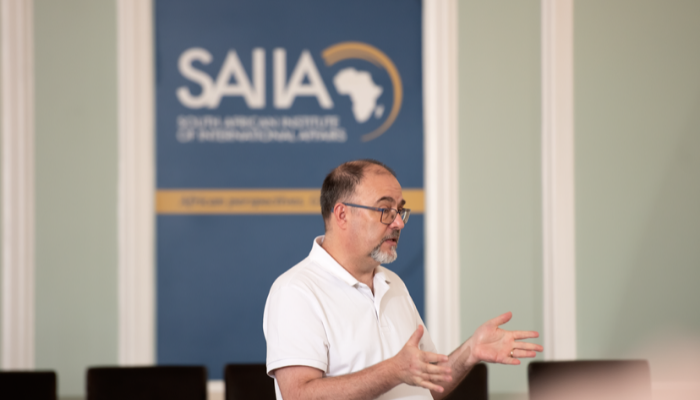
South Africa’s presidency of the G20 in November presents an opportunity for Africa to shape global conversations on solidarity, equality, and sustainability, according to Steven Gruzd, head of the African governance and diplomacy programme at the South African Institute of International Affairs (SAIIA).
Gruzd, speaking to the MTN Media innovation fellows, said the presidency comes at a decisive moment. “This is the fourth G20 presidency in a row led by a developing country, following Indonesia, India, and Brazil. Now it is South Africa’s turn to show the world that Africa can host and lead global policy debates,” he explained.
South Africa has prioritised issues such as climate finance, sovereign debt, fair taxation of the wealthy and multinational corporations, and the role of critical minerals in driving the green transition.
“The world is nowhere near meeting the Sustainable Development Goals, with just five years to go. South Africa is determined to use its presidency to push for concrete action, especially in areas where Africa is most vulnerable,” Gruzd said.

Read also: ‘The old is dying, but the new cannot be born’ – Mare
For Nigeria, Gruzd stressed that the G20 process holds strategic opening.
“Nigeria, though not a member, can benefit by aligning with South Africa’s agenda—whether on climate financing, debt restructuring, or access to markets for critical minerals. Working closely with South Africa ensures African priorities are not sidelined,” he noted.
Gruzd added that Africa’s credibility will hinge on collaboration. He added that South Africa cannot carry the weight alone. Civil society, think tanks, and governments across the continent, including Nigeria, must use this platform to amplify Africa’s voice on global governance.
With the United States set to assume the G20 presidency in 2026, Gruzd argued that South Africa’s tenure could prove decisive in anchoring African concerns before global leadership swings back to advanced economies.