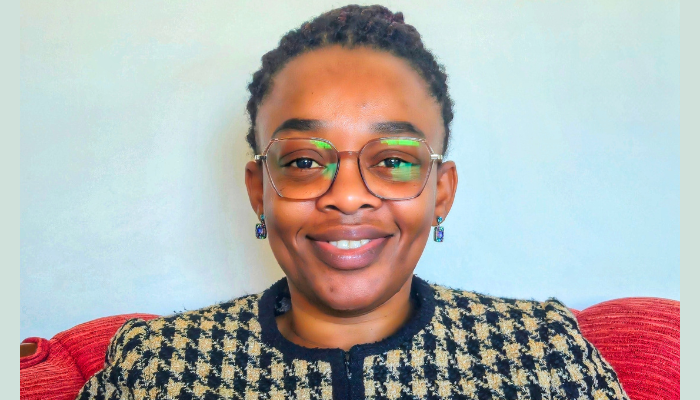
Tina Charles C. Mbakwe-Obi is proof that careers don’t have to follow straight lines to be extraordinary. From Nigeria’s banking halls to the fast-moving tech corridors of the United States, she has reinvented herself with courage and vision. Today, as a respected IT consultant and cybersecurity strategist, she is recognized not just for her expertise, but for the resilience, adaptability, and leadership that have defined her journey. In this conversation with Chisom Michael, Tina shares the lessons, pivots, and personal practices that continue to shape her story of impact.
You began your career in Nigeria’s financial sector, earning top recognition as a transaction officer and auditor. What lessons from that chapter continue to shape how you approach technology and consulting today?
In banking, I learned that every little detail matters. Precision and trust were everything. That discipline has stayed with me. Today in tech, I still approach problems with that same eye for detail and accountability. It helps me bridge the gap between technology and real business needs, making sure solutions don’t just look good on paper but actually work in practice.
Your shift from finance into technology was deliberate. What inspired that decision, and how did you navigate the challenges of re-skilling and repositioning yourself in a completely different industry?

I made the switch because I saw where the future was heading. Finance was already being transformed by technology, and I didn’t want to just watch; I wanted to be part of it. The transition wasn’t easy; there were long nights of study, new certifications, and the humility of starting over. But my finance background gave me perspective on risk and numbers, while tech gave me the tools to solve problems differently. That journey taught me one big lesson: adaptability is everything.
In your current role as an IT Business Analyst with a state agency, what project or achievement best reflects your ability to combine strategic vision with technical expertise?
One of my proudest achievements was helping streamline workflows so technical teams and business teams could actually understand each other better. For me, it’s not just about delivering systems; it’s about delivering clarity and impact. When people are aligned, the results speak for themselves.
You served as Vice President of a student association in Nigeria. How did those early leadership experiences prepare you for today’s highly competitive tech space?
That role taught me that leadership is about listening, earning trust, and bringing people together. I had to manage diverse opinions and limited resources, and those lessons are still relevant today. In tech, success often comes down to collaboration, and I learned early that real leadership is about responsibility, empathy, and courage.

You’ve published widely on topics ranging from card payment technology to AI in risk management. Which of your publications do you feel had the most impact, and what conversation were you hoping to spark with it?
The one that stands out most was my research on using AI for risk management. At the time, most people saw AI as just a tool for efficiency, but I wanted to show how it could also help build trust and manage uncertainty. My goal was to shift perspectives, and the feedback I got confirmed that message resonated.
You’ve also served as a judge at the International Science and Engineering Fair (ISEF). What do you take away from that experience, and how does it influence your own approach to innovation?
Judging at ISEF is always inspiring. These young innovators remind me that creativity knows no age or boundary. They tackle problems with boldness and simplicity; something we sometimes lose in corporate spaces. That experience pushes me to stay curious, question assumptions, and encourage my teams to think beyond limits.
Your career demands a lot of focus and energy. How do you maintain balance in your personal life, and what routines keep you grounded?
Balance for me means making sure my schedule doesn’t drown out life itself. I carve out time for prayer, journaling, and unplugging from screens. I also make walking a routine; 10,000 steps at least five times a week. Small habits like these keep me grounded, and celebrating little wins along the way keeps me motivated.
When you’re not immersed in cybersecurity or IT strategy, what passions or creative outlets keep you inspired?
I love writing, especially about career transitions and how technology connects to everyday life. It’s a way to inspire others and also keep my creativity alive. Traveling is another passion; it sharpens my ability to adapt and see the world differently, even though I don’t do it as often as I’d like. And sometimes, the simplest things, music, laughter, or a long walk, give me the spark I need.
Who are the people who’ve inspired you the most, and what lessons from them do you carry into your daily life?
My late father taught me excellence in business, while my mother showed me resilience and quiet strength. Professionally, I admire leaders who prove you can drive results without losing your humanity. From them, I’ve learned that true influence is about impact.
Finally, if you were to describe the story you want people to remember about you, not just as a professional, but as a person, what would that be?
I want to be remembered as someone who turned challenges into opportunities, someone who refused to be boxed in by circumstances. Beyond career titles, I want my story to be about impact, opening doors, inspiring others, and proving that with courage and commitment, you can shape your own destiny. Success is good, but significance is what truly matters to me.