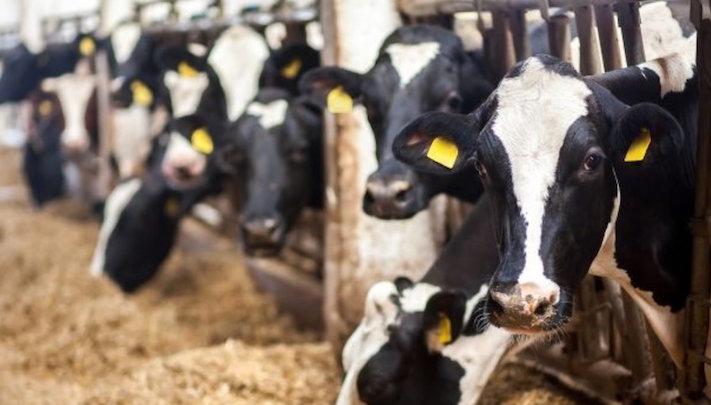
Lack of a clear policy framework and poor infrastructure have shut out Nigeria from the animal waste market, estimated at $10.5 billion.
Science Direct defines animal waste as “droppings and dung from livestock, which includes nutrient elements such as nitrogen, phosphorus, and potassium.”
Trendset Visionaries, which puts the global animal waste size at $10.5 billion, says it will reach $18.3 billion in 2030.
Nigeria is missing out on the rapidly expanding global market for animal waste as countries across Asia, Europe, and the Americas turn livestock by-products into bioenergy, organic fertiliser, and sustainable materials.

Globally, China’s animal waste is known to have the highest economic and environmental value, particularly in the context of biogas production and organic fertiliser creation.
The country reportedly generates approximately 3.8 billion tons of livestock and poultry manure annually, yet its comprehensive utilisation rate remains under 60 percent, highlighting both the potential and the challenge of large-scale waste-to-resource efforts.
Despite having one of Africa’s largest livestock populations, Nigeria has yet to build the infrastructure or policy framework needed to tap into this booming sector, raising concerns among environmental economists and agri-tech investors.
“The Nigerian animal waste economy is potentially a billion-dollar market,” said Chuka Mordi, chief executive officer of Ellah Lakes, who is also one of the most vocal advocates for transforming Nigeria’s livestock waste into a viable economic engine.

According to him, “Animal waste can be a very valuable resource when properly utilised as fertiliser to improve soil health and plant growth.”
He emphasised its environmental benefits, noting that “it can replace synthetic fertilisers,” noting that the replacement alone is a billion-dollar market.
Mordi said the untapped value lies not only in the waste itself, but in the knowledge gap around it.
“University departments of agriculture need to include and teach these advancements in their curricula,” he said, calling for updated government extension programmes to educate subsistence farmers, smallholders, and entrepreneurs on the full potential of animal waste.
For a country striving to diversify away from oil, he added, this is “a viable opportunity that must not be neglected.”
Read also: Lagos battles plastic waste as fears of cash cow emerge
Nigeria has the highest cattle population in West Africa, set at 20.79 million cattle herd, according to data by the National Bureau of Statistics (NBS).
This is in addition to significant numbers of goats, sheep, pigs, and an estimated 10,000 cattle reportedly smuggled in weekly through porous borders.
Yet, despite these numbers — which position Nigeria as one of the largest livestock markets in Africa — the country lacks a coordinated framework to turn animal waste into economic output. From bones and hides to blood and dung, virtually every part of the animal can be reused, yet most of it is discarded or underutilised.
Lagos alone records between 3,000 and 5,000 cattle slaughters daily, according to the NBS.
That figure does not include the thousands of unmonitored slaughters across informal markets or the substantial waste produced by free-roaming livestock. Still, much of this waste is left unmanaged, contributing to environmental degradation rather than economic value.
Sunny Omokaro, national president of the National Butchers Employers Union of Nigeria, has long been frustrated by this missed opportunity. “The wastage is too much,” he told BusinessDay. “If Nigeria as a nation will invest in animal waste, it will create lots of jobs and as well boost our revenue base.”
Omokaro insisted that nothing from an animal is truly wasted. “Whether the blood, dung, bones, or even the horns — they all have value,” he said.
Bones, for instance, can be turned into animal feed, furniture, jewellery, and decorative items. “A bag of bones could sell for as high as N200,000,” he revealed, adding that butchers frequently prepare trailer loads of processed bones for sale to local industries.
Read also: Experts warn against use of pig, cattle, chicken’s fat as green jet fuel
He noted that the potential for cow dung is also widely misunderstood. “Even the cow dung we step on in the streets can be a huge employment market,” he said. “We can create cooking gas from biogas, which can be sold at a cheaper rate. The leftover product from biogas is the best natural fertiliser — no chemicals, no additives.”
In addition to the lack of infrastructure, Omokaro criticised the limited role the government has played in stimulating innovation in the sector. “The government has totally neglected the sector for years, and that’s why we are happy that President Bola Ahmed Tinubu created the Ministry of Livestock Development,” he said.
However, he stressed that real change will require policy support and investment.