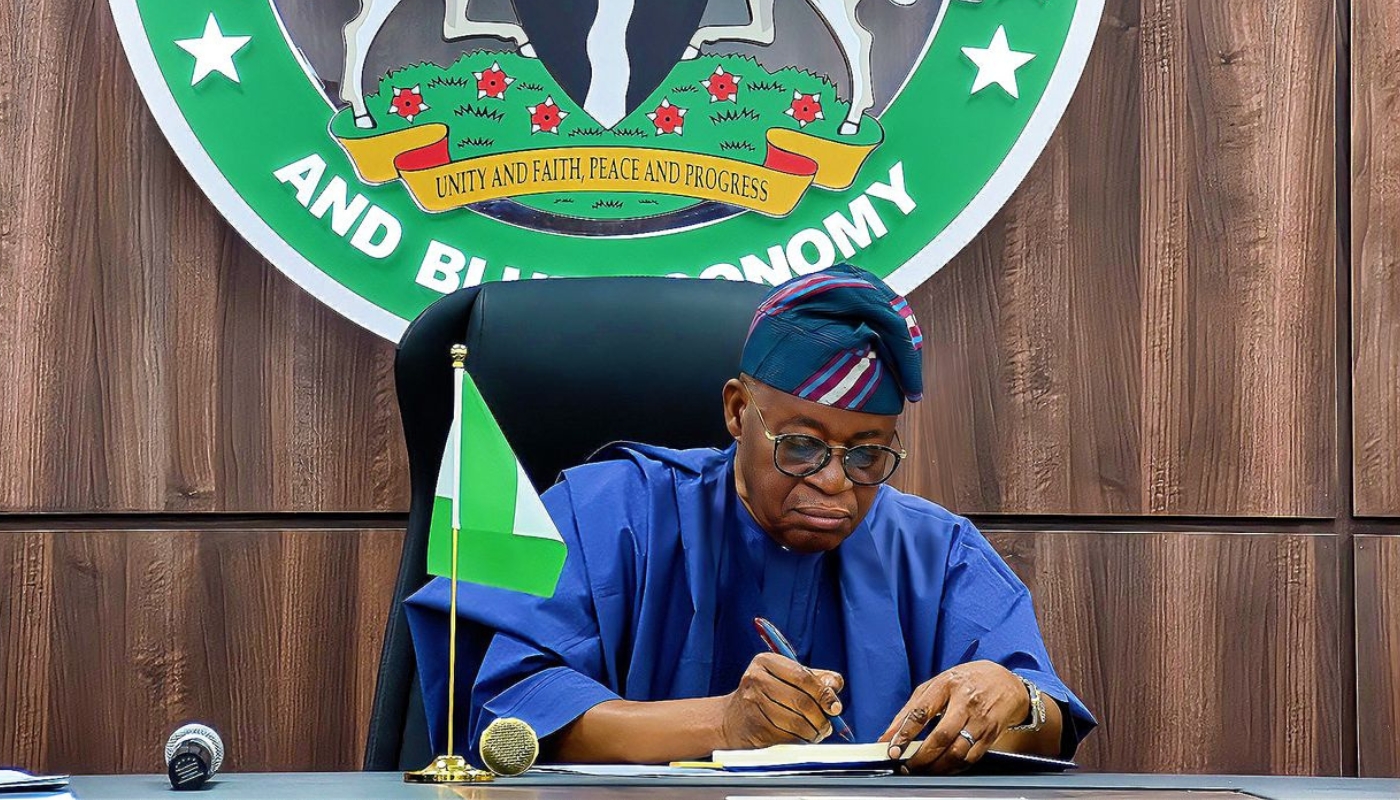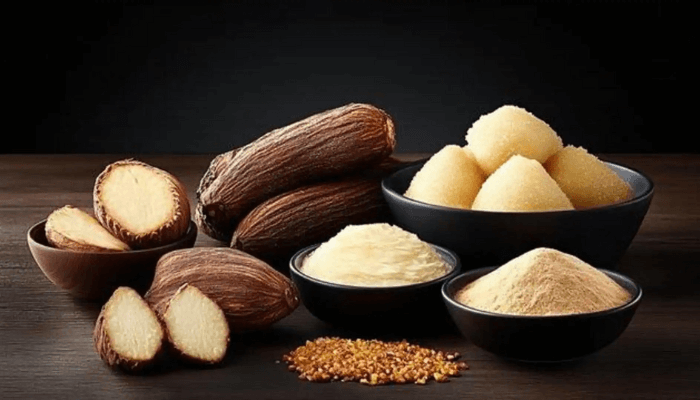
Nigeria has drawn a line under the age-old habit of exporting raw shea nuts while importing finished products at a premium. In a bold move to industrialise agriculture and lock more value within its borders, President Bola Ahmed Tinubu has approved a six-month suspension of raw shea exports.
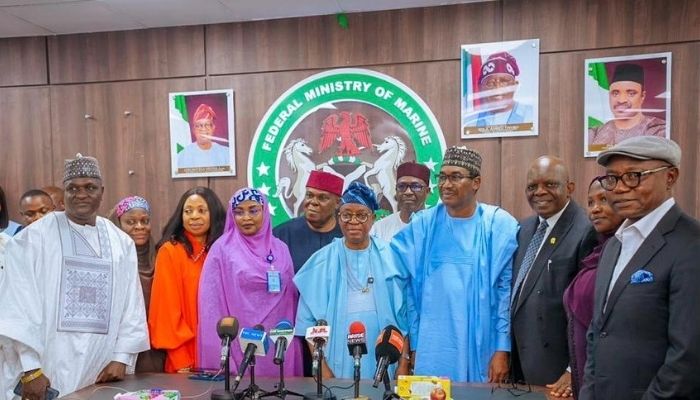
The directive, delivered through the Office of the Vice President, came with a symbolic note. “We are not closing doors, we are opening better ones,” said Vice President Kashim Shettima. “Today we plant the seeds of an industry that will yield fruit for decades to come; for our women, for our economy, and for Nigeria’s place in global trade.”
The decision rests on a recent assessment that laid bare the contradiction: Nigeria produces almost 40% of the world’s shea, yet earns barely 1% of a global market worth \$6.5 billion. Each year, more than 90,000 tonnes of raw nuts slip through informal cross-border trade, while domestic processors, who employ mostly rural women, run at less than half their potential.
Read also: Shea export ban sparks concern over jobs, contracts

For once, Abuja is in step with neighbours. Ghana, Burkina Faso, Mali, and Togo had long imposed restrictions to keep shea within their borders, leaving Nigeria as the soft target for opportunistic foreign buyers. “The synchronised action across West Africa is a powerful signal to the global market,” a stakeholder familiar with regional discussions said. “Nigeria should not just be a supplier of raw materials but a manufacturer of finished goods. That is how Africa gets real bargaining power.”
To those working the value chain, the policy feels like a turning point. “Shea has the potential to become Nigeria’s untapped goldmine,” said Eniola Akindele of the Presidential Food Systems Coordinating Unit. Beyond cosmetics, global confectionery giants are beginning to treat shea as a substitute for cocoa. With the right investment, Nigeria’s underused shea belt could transform into a billion-dollar industry, creating jobs, empowering women, and boosting foreign exchange.
Farm leaders echo the optimism. Kabir Ibrahim, president of the Nigeria Agribusiness Group and AFAN, calls it “a pivotal moment for agricultural industrialisation.” For decades, he said, Nigeria has given away raw shea only to buy back butter at inflated prices. Now the balance is set to shift.
Still, questions linger. Smuggling routes remain porous, and enforcement will test the government’s resolve. But there is a carrot alongside the stick: in three months, Nigerian shea butter and oil will receive fast-track access into Brazil, an opening that could redefine the country’s footprint in global trade.