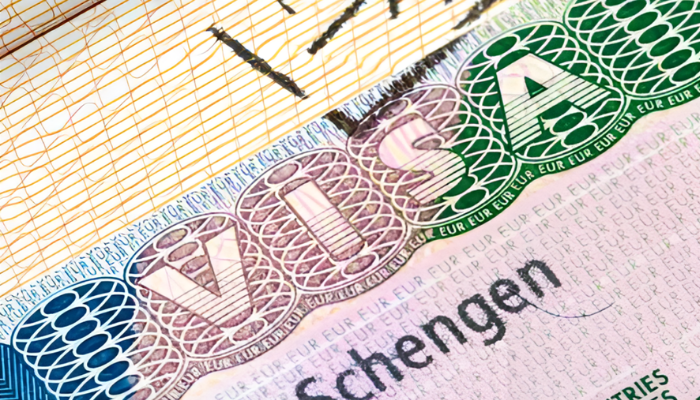
In October 2025, the European Union will replace passport stamps with an automated Entry/Exit System (EES) that records non-EU visitors’ fingerprints, photographs, and movements. A year later, visa-free travellers will also be required to obtain a pre-departure authorisation through the European Travel Information and Authorisation System (ETIAS). These digital border controls are expected to speed up crossings and improve security, but they also highlight a profound shift: migration is becoming a digital process, reliant on biometric data, interoperable databases, and algorithmic risk assessments. For African citizens and governments alike, this presents both an opportunity and a warning.
Africa’s digital identity gap
Africa faces a critical challenge in building inclusive identity systems. Today, an estimated 542 million Africans still lack official identity cards, including 95 million children who have never been registered at birth. This identity gap leaves millions vulnerable to trafficking, exploitation, and exclusion from essential services such as healthcare, education, and financial access.
The African Union Commission, the East African Community, and the Intergovernmental Authority on Development have repeatedly stressed that Africa needs a harmonised, continent-wide digital identity system. Such a system must be interoperable, secure, and technology-driven, connecting seamlessly across borders and platforms. Without a trusted digital ID framework, Africans risk being left behind in a world where mobility, finance, education, and opportunity are increasingly gated by digital credentials.

The examples are there. MERCOSUR countries in Latin America allow citizens to cross borders with national IDs, not passports. In East Africa, Kenya, Rwanda, and Uganda already operate a similar arrangement. Scaled continent-wide, such a system would ease movement, strengthen security, and preserve sovereignty.
Read also: 7 European countries where travel is surprisingly affordable
The AU’s Emerging Digital Agenda
The African Union is beginning to grapple with these questions. In July 2024, it adopted a continental artificial intelligence strategy, with a key focus on data sovereignty and a unified data policy framework. The AU also plans a digital single market under the African Continental Free Trade Area’s Digital Trade Protocol, with rules to regulate cross-border data flows and encourage e-commerce. These initiatives show that the AU recognises data and digital infrastructure as pillars of the continent’s future.
Yet most of these efforts focus on trade and artificial intelligence. Migration, particularly the legal frameworks governing digital visas, biometric border controls, and the cross-border movement of personal data, remains under-regulated. The EU’s new EES and ETIAS systems reveal how quickly migration governance can change when technology and security concerns converge. African states should not wait to be mere rule-takers in this arena; they must proactively shape a digital migration regime that reflects continental priorities.

The digitalisation of migration is already underway in Europe and other regions. Unless the African Union and its member states act decisively, they risk being excluded from international travel systems, subject to external data regimes, and unable to protect their citizens.
By refining its laws, adopting interoperable digital identity standards, enforcing data protection, creating inclusive digital travel authorisations, and safeguarding human rights, the AU can turn digital migration into an opportunity. It can facilitate safe and orderly movement, foster continental integration, and ensure that Africa’s digital revolution benefits its people rather than constrains them.
Nduneche Ezurike, PhD, is an opt-in member of the Harvard Business Review Advisory Council. He wrote in from Lagos.