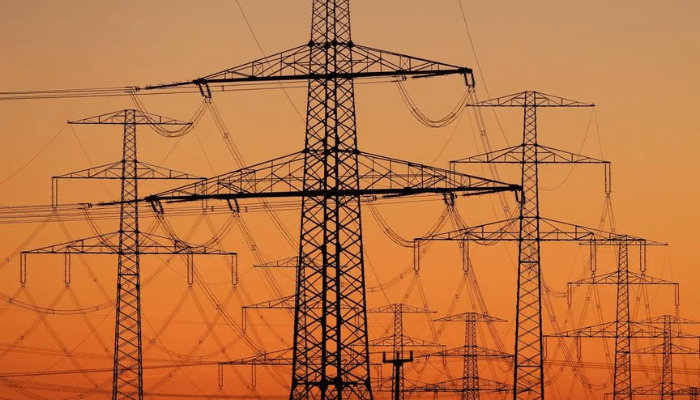
Energy experts and economists have called on the state governors across the country to leverage the opportunity provided in the Revised 2023 Electricity Act to develop and promote a decentralised grid system for a stable electricity supply in their respective states.
A statement issued at the end of their meeting, which was organised by the Nigerian Institute of Social and Economic Research (NISER), also called on the federal government to raise household income by implementing the 2024 new minimum wage to create some respite.
Antonia Simbine, the Director-General of NISER, who signed the statement and made it available to journalists on Thursday in Akure, the Ondo State capital, said households and firms can barely cope with a major shift which occurred when the Nigerian Electricity Regulatory Commission (NERC) introduced a supplementary tariff review for Band A electricity customers in April 2024.
“This claim was a fall-out of an evidence-based study conducted by NISER, which, among other things, revealed that Band A households receive an average of 10 hours of electricity per day, below the 20-hour benchmark, with their monthly grid electricity expenditure rising from N17,647.49 to N34,942.04, accounting for a 98 per cent increase,” the statement said.

According to Simbine, the theme of the seminar, “Balancing Electricity Tariffs and Consumers’ Wallets: Insights from Nigerian Households and Firms’ Ability to Pay,” was fully aligned with the Renewed Hope Agenda of the Federal Government, which places energy security, affordability, and sustainability at the heart of Nigeria’s economic transformation.
She said, “This conversation is not just about electricity tariffs. It is about livelihoods, industrial competitiveness, and the pathway to national development. The Renewed Hope Agenda challenges us to design policies that make electricity not only reliable but also accessible and affordable, enabling households to thrive and businesses to compete globally.
“We also recommended that NERC should enforce the service reliability mandate by setting a minimum threshold for DISCO infrastructural investment before future hikes.”
Iyabo Olanrele, while presenting the outcomes of their study during the seminar, said “the study found that firms spend 82 per cent of monthly turnover on production costs, mainly due to the electricity tariff.
“Although 87.5 per cent reported moderate electricity supply improvement, it is still below the 20-hour requirement. The grid electricity expenditure rose by 92.2 per cent due to the tariff hike, which 67.5 per cent of firms found unaffordable, and that large-scale and high input cost firms were less able to afford the increase, while older firms showed more resilience.

“While households adopt switching to solar, inverters, and energy-efficient appliances, which not all can afford, many firms take to renewable energy use, energy-saving measures, and efficient technologies, with some firms remaining undecided”.