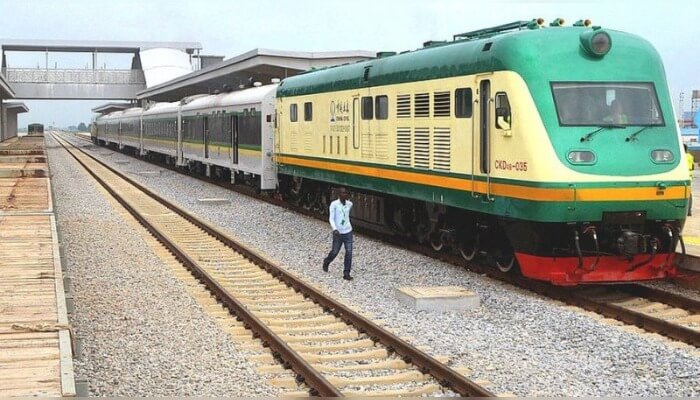
Shehu Sani, ex-Kaduna Central Senator, on Tuesday, blamed negligence on the part of the Authorities for the derailment of a Kaduna-bound passenger train amid the Nigerian Railway Corporation (NRC) confirmation of the incident along the Abuja-Kaduna corridor.
The NRC said the derailment occurred at about 11:09 a.m. at kilometre 49, between Kubwa and Asham stations, one of the busiest stretches on the route.
In a statement issued on its official X handle, the Corporation explained that emergency teams, medical personnel, and security operatives had been deployed to the scene to assist passengers and coordinate their evacuation back to Abuja.
“The Nigerian Railway Corporation confirms a train derailment involving our Kaduna-bound AKTS train service at about 11:09 a.m. at KM 49 between Kubwa Station and Asham Station,” the statement read.

“Emergency rescue, medical personnel, and nearby hospitals have already been mobilised. Full complement of security is on ground as effort is ongoing to move all passengers on train back to Abuja safely”, the Corporation noted.
Callistus Unyimadu, Chief Public Relations Officer of NRC, appealed for calm and urged passengers and the public to remain patient as investigations continue. “Kindly bear with us at this moment,” he added.
Reacting shortly after the incident, Sani described the derailment as avoidable, insisting that repeated lapses expose systemic negligence in rail management.
“The Abuja-Kaduna train derailment is unfortunate but not surprising. It is a direct consequence of negligence. Nigerians deserve safer rail transport than what they are being offered,” he said.
Tuesday’s derailment is the latest in a string of operational setbacks that have raised questions about the reliability of Nigeria’s flagship standard-gauge service.

Read also: NRC increases trips on Abuja-Kaduna route to meet rising demand
Just last week, the NRC confirmed that a business-class coach developed a hot axle near Rigasa Station in Kaduna, forcing a temporary disruption. At the time, Unyimadu explained that the fault was caused by abnormal heat in the journal housing but stressed that the situation was quickly contained.
The Abuja-Kaduna line has also suffered more severe disruptions. In March 2022, armed men attacked the service, killing several passengers and abducting dozens. The incident forced a shutdown that lasted months, shaking public confidence in rail travel.
In January 2023, another service recorded a derailment in Kubwa, Abuja, although no casualties were reported. Industry insiders said that while the NRC often cites technical faults, the frequency of such incidents suggests deeper issues with maintenance and oversight.
Netizes argued that the recurrence of mechanical faults and security breaches, highlighting weak safety standards in a service that was intended to be a reliable alternative to the highway linking Abuja and Kaduna.
“Rail should offer passengers security, speed, and predictability, but the Abuja-Kaduna service continues to experience disruptions that undermine these goals,” one Peter Simon, wrote on his social media handle. “Every incident chips away at public trust”, he noted.
Others also warn that a loss of confidence in rail transport could push commuters back to the Abuja-Kaduna expressway, a route notorious for kidnappings and violent attacks. This, they argue, has both security and economic implications.
As of press time, the NRC had yet to provide details on casualties or the number of passengers affected in Tuesday’s derailment.