



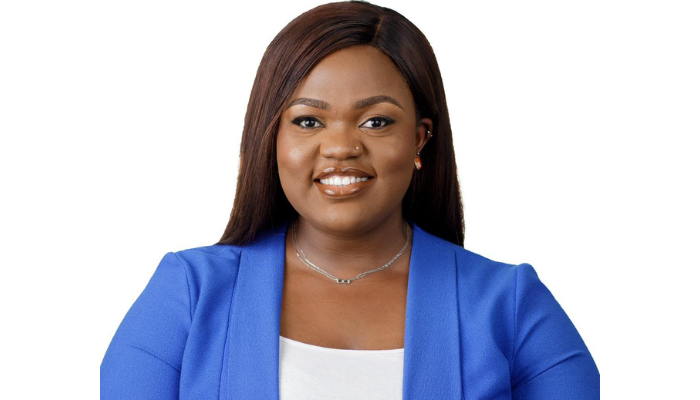
Ellen Ukpi, the director of marketing, branding and communications, Junior Achievement Africa, has urged young Africans to take ownership of their stories, insisting that “Africa doesn’t need saving, it needs better storytelling.”
She made the call at BusinessDay Foundation’s virtual dialogue themed “Beyond borders: young voices, global choices” held to mark International Youth Day. Reflecting on how African youth can ensure their ideas move from local communities to the global stage, Ukpi highlighted the transformative power of technology and storytelling.
“The world has become a global village. The platforms to be heard are multiplying every day. Young people need to be deeply convicted about their message, willing to do the work, and ready to show evidence of their ideas. It’s not enough to say, I have an idea. What have you done with it? Where’s the proof of concept? How are you actively telling your story?”
Ukpi stressed that storytelling is not just about sharing personal wins on social media; it is about shaping the collective narrative of Africa. For too long, she said, Africa’s history and evolution have been documented by outsiders. “The story belongs to who tells it,” she reminded.

She recalled how even in academic fields such as the study of African languages, much of the recognised research was carried out by non-Africans. “If we want to influence change and properly place ourselves in history, we must begin to tell our own stories,” she urged.
Read also: Why I believe African stories deserve a global stage
Ukpi challenged young Africans to rethink the stories they tell about themselves and the continent. Too often, she argued, the spotlight has been on poverty, struggle, and lack. While these are real, they should not define Africa’s identity.
“Right now in Africa, young people are doing amazing things,” she said. “We’re producing unicorns, building fintech solutions that are changing how money moves globally, and creating innovations despite difficult regulations. Our story shouldn’t just be one of suffering. It should be a story of resilience and opportunity.”
She called for a shift towards highlighting progress, from the booming fintech scene in Nigeria to emerging opportunities like the recently announced $100 million youth investment fund by the African Development Bank and the federal government. “That is huge. Can we start telling stories of the young people who will access this money and the work they will do with it? That’s how we change the narrative,” she said.

For Ukpi, the stakes are high; the way Africa tells its story today will shape how it is perceived tomorrow. With Nigeria projected to become the world’s third most populous country by 2050, and Africa enjoying the advantage of a youth bulge, the continent holds immense potential, but only if its stories are framed to reflect opportunity rather than crisis.
“To influence change, we must first decide the angle of the story,” she explained. “Do we want to spotlight poverty, or do we want to spotlight the resilience and brilliance of young Africans? Do we want to dwell on what’s wrong, or do we want to elevate the impressive things that are happening every day?”
Read also: FG, AfDB to set up $100m youth investment bank to back young entrepreneurs
She concluded by urging young Africans to embrace what Gen Z calls the main character syndrome, taking centre stage in their own narrative. “We need to tell our stories ourselves. We need to decide the narrative. And we need to highlight the ‘in spite of’ stories, because those are the ones that show our true strength and grit.”





