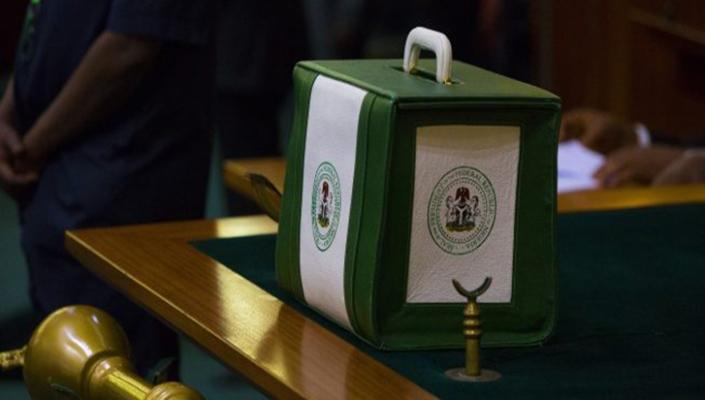
The Nigerian government is yet to produce its quarterly budget implementation reports in nearly one year, raising concerns over transparency, accountability and fiscal responsibility about the current administration.
In a statement on Thursday, BudgIT, a civic-tech organisation said Budget Implementation Reports (BIR) are not only a requirement of the law and established practice, but they are an indication of a government’s willingness to be transparent and to provide evidence of its spending.
“The proof of this spending is crucial to assess the quality of implementation of its budget and, more broadly, the quality of the delivery of public goods and services,” the firm wrote in a statement signed by Nancy Odimegwu, BudgIT’s senior communication associates
According to the Fiscal Responsibility Act, 2007 in Part V, the minister of finance is responsible for communicating the BIR not later than 30 days after the end of each quarter. But Nigerians have remained in the dark about the details of spending of the government.

The previous administration led by the late President Muhammadu Buhari, in its two terms, published a minimum of three BIRs per fiscal year.
With nearly four BIRs pending from Q2, 2024, to Q2, 2025, the current administration led by President Bola Tinubu has not published a single BIR in nearly one fiscal year.
Read also: Banks’ total assets to reach N242.3trn by December 2025 – Agusto & Co.
“It would have been preferred that the current administration build on the foundation of previous governments and, in addition to regular implementation reports, publish and disseminate the Federal Cash Plan Disbursement Schedule, per section 26 of the Fiscal Responsibility Act,” the statement further read.
Withholding such crucial information has a significant consequence, especially as the country continues to rally investors and doling out policies to lure in foreign direct investments.

As BudgIT puts it, the country needs the documents published quarterly because information in it can be used by the private sector for planning their operations.
This is as civil society and the academia are meant to use it for their advocacy and analysis and information that will show the international community that Nigeria operates according to accepted norms and conventions of international public finance.
Speaking on this rather lack of transparency, Vahyala Kwaga, BudgIT’s group head of research and policy advisory, said that the unwillingness of this administration to publish what was once a matter of routine is discouraging.
“The ability of a government to hold itself accountable to its laws is not only to be expected of a democracy such as ours but is an indication of adherence to the rule of law,” Keagan said.
“The non-publishing of crucial information by the Ministry of Finance and the Budget Office of the Federation should not be augmented by ‘pronouncements’ by the Minister/Director General in the media. It should be done by publishing financial information according to existing laws. Citizens and the general public have a right to know and a right to be informed,” he added.