From rising temperatures and erratic rainfall to devastating floods and food insecurity, the effects of climate change are no longer distant threats; they are realities Nigerians face every day.
Climate change, according to NASA, is a long-term change in the average weather patterns that have come to define Earth’s local, regional, and global climates.
These changes have a broad range of observed effects that are synonymous with the term.
How does that concern an average Nigerian?
Sometimes we have opinions from the streets of Africa stating that they do not care about climate change but are concerned about what to eat or how to survive.

However, the effects of climate change do not have a boundary; rather, it is a global phenomenon.
Scientists have argued that rising sea levels could displace millions of people in Nigeria in the next 30-50 years, as ocean surges swamp one of Africa’s biggest cities, such as Lagos.
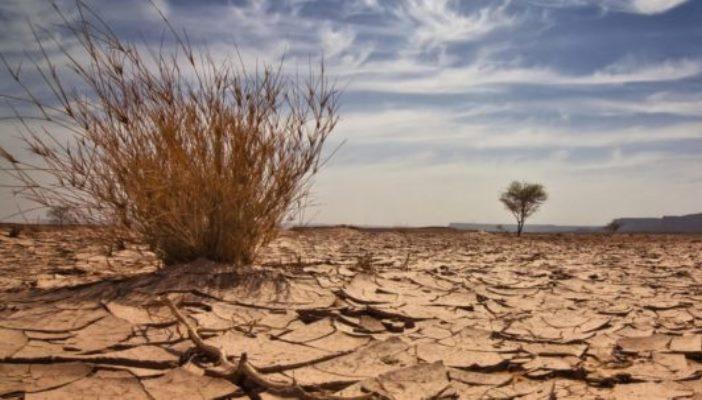
Nigeria, the most populous nation in Africa, is facing attacks on multiple angles from climate change. We have desert encroachment on the northern plains, severe erosion of farmlands in the southeastern parts and floods on the southern coast.
The flooding in Lagos has continued unabated for a while, despite the efforts by the government. While many Nigerians could feel unconcerned about climate change, we are deeply facing the effects of climate change across our states. It therefore should be our business.
As world leaders work together to make a difference, most African leaders’ response or strategies to this global phenomenon are that of advocating for increased climate financing, promoting green growth initiatives and emphasising the need for equitable climate action.

Notably, most of the sub-Saharan African countries could exponentially leverage the vast availability of renewable energy resources, aside from the many mineral deposits, to boost their genuine progress indicators.
On the advocacy for increased climate financing, one big setback to the impact of this is corruption. Except for judicious and strategic usage of this finance, it might end up cycling back to financing actions that negatively impact the climate.
A country whose politicians fuel convoys of between 10 and 50 cars which continue to burn avoidable fuel is not being regenerative or engaged in sustainable practice. As is always said, the society we abuse today takes revenge on our children.
The earth does not belong to us; we belong to the earth. Increased climate financing is necessary but must be done within a very accountable and transparent framework.
Read also: Africa must confront climate change with innovation, collaboration
How does this concern Nigerians?
The Thwaites Glacier, often referred to as the ‘doomsday glacier’, is in West Antarctica and covers an area larger than Florida, USA, and a little less than Great Britain.
It contains enough ice to raise sea levels by 10 feet. It contributes four per cent to global sea level rise and continues to increase as the glaciers destabilise; its collapse would be catastrophic globally, especially for coastal cities.
One would wonder what the relationship between the Thwaites Glacier and Lagos, Nigeria, is. The answer is, “What happens in the Arctic does not stay in the Arctic.”
If the Thwaites Glacier melts, it could raise global sea level by 10 feet, and Lagos is a coastal state bounded by the Atlantic Ocean, and most of its people live two feet above sea level. The resultant effect of this ice melt would certainly raise the sea level, which would subsequently result in flooding across the coastal areas of the world.
Aside from places like the Eko Atlantic city, in another 30–50 years, with the rising sea levels, most places would be submerged; this applies to some riverine areas of the Niger Delta.
It is therefore a global challenge for everyone to make conscious efforts in limiting the effect of rising global temperatures, because if the emissions continue to rise unchecked, the Arctic could be ice-free by 2050.
Nigeria is currently battling with cases of internally displaced persons largely from insecurity; therefore, the question is, what preparedness do we currently have in place in case of severe effects of climate change, such as severe flooding?
For most people in construction, you would have experienced sea level rise amongst other issues; this explains why it is our business, because due to both flooding and some of this irregular weather, the inhabitants will continue to live in poverty and unsafe conditions until more sustainable practices and sustainable infrastructures are implemented.
Call to action
The UN’s Sustainable Development Goal 13 for climate action calls for immediate action on the climate crisis to avoid the catastrophic consequences of global rises in temperature.
Every individual should be a climate change ambassador. While you could argue that your efforts will be insignificant, you too can make a difference by making changes in your habits, lifestyles, and actions, all geared towards reducing your carbon footprint.
Proper waste disposal and biodiversity are greater immediate threats than climate change. Improper waste disposal not only affects the storm drainage system but also affects the marine or aquatic ecosystem.
In Lagos, proper oversight should be done over all the emerging estates, ensuring the finished elevations of the infrastructures are above four metres. Serious and continuous enforcement should be in place for adherence by elevating structures well above base flood elevations.
Onye-Amah is a LEED Green Associate and PMP Sustainability Advocate.