|
Getting your Trinity Audio player ready...
|
The federal government on Friday inaugurated a Committee on Collective Bargaining for the Health Sector, marking the formal start of negotiations with major health unions in a bid to avert industrial action and stabilise the nation’s health system.
The talks, in line with Articles 1 and 2 of the Guidelines, are expected to address remuneration, working conditions, professional development, and welfare of health workers.
The negotiations will involve structured engagements with the Nigerian Medical Association (NMA), the Joint Health Sector Union (JOHESU), and the National Association of Nigerian Nurses and Midwives (NANNM), among others.
The move comes in the wake of a 21-day ultimatum issued by the Nigerian Medical Association (NMA), which has warned of industrial action unless the government resolves outstanding welfare concerns. The association of Nurses and also recently suspended a warning strike following last-minute stakeholder interventions.

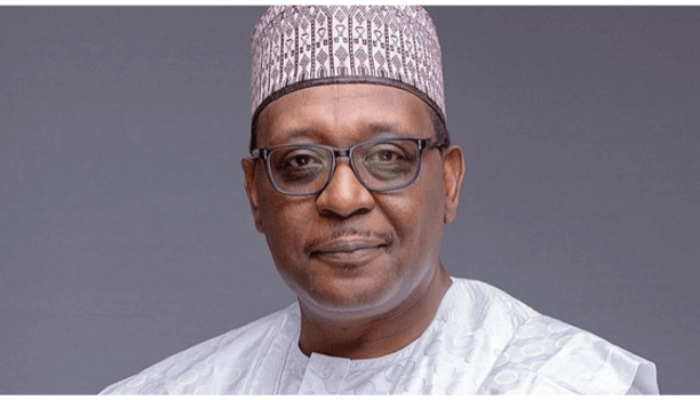
Muhammad Pate, coordinating minister of Health and Social Welfare, who led the inauguration, stated that this effort of government was geared at building a fair and sustainable framework for the health sector’s workforce.
Read also: FG plans path to self-reliance in health financing amid aid cuts
“The convocation of this Committee is a milestone towards building a fair and sustainable framework for our health workforce. Health workers are central to our mission of delivering quality healthcare, and it is our duty to ensure that their needs are addressed with sincerity, transparency, and mutual respect”, he said.
The high-level inauguration ceremony, held in Abuja, had in attendance, Maigari Dingyadi, minister of Labour & Employment, Muhammadu Salako, minister of State for Health & Social Welfare, Other dignitaries included senior officials from the Office of the Secretary to the Government of the Federation (OSGF), the Federal Ministry of Finance, the Office of the Head of the Civil Service of the Federation, the National Salaries, Incomes and Wages Commission, the Budget Office of the Federation amongst others.
In his remarks, Dingyadi, emphasised that collective bargaining is a proven pathway to industrial peace and sectoral stability. He said through this process, government intends to find common ground that ensures the welfare of health workers while protecting the public’s access to uninterrupted, quality healthcare.

“This is a critical step in our broader health sector reform agenda. By listening to the voices of our health professionals, we are not just negotiating terms, we are shaping the future of healthcare delivery in Nigeria,” he said.