Nigeria’s compressed natural gas sector is experiencing unprecedented momentum, with over $791 million in investments flowing into the ecosystem in just two months of 2025. At the centre of this transformation lies a groundbreaking industrial development that could reshape the country’s energy landscape: the Anoh CNG Park in Imo State, positioned to become Nigeria’s premier eastern manufacturing hub for compressed natural gas infrastructure and equipment.
Market dynamics drive investment surge
The Nigerian CNG market has demonstrated a remarkable growth trajectory, with vehicle conversions surging from approximately 4,000 units to over 100,000 vehicles within a single year. This explosive growth, driven by the Presidential CNG Initiative’s ambitious targets, has created substantial demand for locally manufactured equipment and infrastructure.
Current market indicators paint a compelling picture. As of Q1 2025, CNG costs approximately ₦230 per standard cubic meter, providing vehicles with 10 kilometres of travel compared to ₦891 worth of petrol for the same distance—representing a 74 percent cost saving. This economic advantage has attracted over $500 million in total sector investments and created more than 84,000 direct and indirect jobs across the value chain.

The sector’s infrastructure has expanded rapidly, growing from just 11 CNG stations nationwide in 2017 to over 63 daughter stations and 242 certified conversion centres by April 2025. Government projections indicate Nigeria will have between 125,000 and 200,000 CNG vehicles on roads by December 2025, targeting one million conversions by 2027.
Strategic location advantage
The Anoh CNG Park, being developed by Gulf of Guinea Midstream Limited, benefits from exceptional strategic positioning, located less than 500 metres from the ANOH Gas Processing Company (AGPC) facility in Assa, Imo State. This proximity offers direct access to processed natural gas, potentially reducing operational costs by 15-20 percent compared to facilities requiring gas transportation.
Imo State has emerged as a significant gas sector player following the AGPC Plant’s commencement of operations by the end of the year 2025. The facility would be processing 300 million standard cubic feet per day, positioning the state among Nigeria’s largest gas producers. The underlying ANOH field contains approximately 4 trillion cubic feet of gas reserves and 200 million barrels of condensate, providing substantial feedstock for downstream manufacturing activities.
Financial projections signal strong returns

Industry analysts project compelling financial performance for CNG manufacturing facilities. Phase One development of the Anoh park requires an estimated $25 million investment, distributed across CNG mother station infrastructure (32%), manufacturing facility construction (40%), equipment procurement (18%), and working capital (10%).
Conservative revenue projections indicate:
Years 1-3 Revenue Streams: $23-32 million annually from CNG supply, equipment manufacturing, and industrial services
Financial Performance: 22-30 percent internal rate of return over 10 years, with a 3.8-4.5 year payback period
Market Opportunity: Nigeria’s CNG equipment market presents $300-400 million in addressable value by 2027.
These projections assume conservative capacity utilisation scaling from 30 percent in Year 1 to 70 percent by Year 3, with gas supply at willing buyer/willing seller rates of $2.57/MMBtu and manufacturing margins of 35-40 percent.
Technical specifications and OEM integration
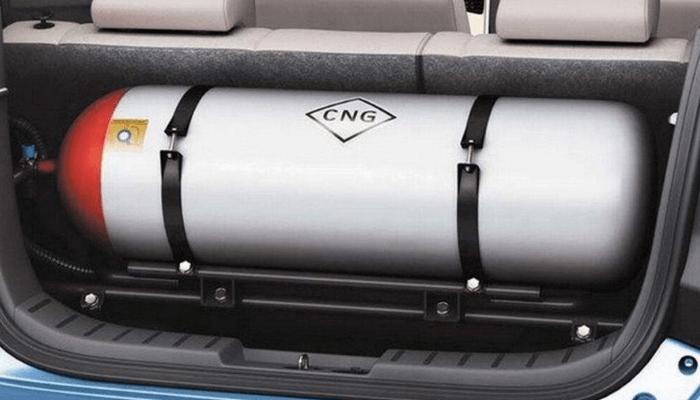
The park’s technical foundation centres on Atlas Copco’s proven CNG compression technology, featuring BBR series reciprocating compressors with 5-15 MMSCF/D capacity, operating at pressures up to 350 bar with >92% energy efficiency. Manufacturing capabilities include high-pressure cylinder production up to 3,600 PSI, pressure reduction measurement systems, and electronic control units through reverse engineering.
Atlas Copco’s established Nigerian presence, including partnerships with major operators like Powergas, provides technical credibility and maintenance support essential for industrial park operations.
Competitive landscape: East vs north strategy
The Anoh facility faces strategic competition from the Ajaokuta CNG Manufacturing Park in Kogi State, designated as Nigeria’s northern CNG hub. However, this creates complementary rather than competing dynamics, aligning with federal objectives for balanced regional development.
Ajaokuta’s advantages include a central location bordering 10 states, direct AKK pipeline access, federal designation as a northern hub, and a $27.3 million mini-LNG facility partnership. Anoh’s competitive positioning offers an earlier 2026 operational timeline, direct gas processing facility access, an established Imo State industrial ecosystem, and proximity to southeastern markets including Port Harcourt, Aba, and Onitsha.
The market segmentation strategy positions ANOH for southeastern states with export potential to Cameroon and Equatorial Guinea, while Ajaokuta targets northern states and Chad/Niger corridors, creating comprehensive national coverage.
The project’s development by Gulf of Guinea Midstream Limited, a new entrant in Nigeria’s midstream sector, represents fresh capital and innovative approaches entering the market. This positions the company to leverage emerging opportunities in the rapidly expanding CNG ecosystem while contributing to the Southeast’s industrial diversification.
Development timeline and milestones
Phase One Implementation (2025-2026):
Q4 2025: Environmental assessment completion, financing closure, equipment procurement
Q1-Q2 2026: Manufacturing facility construction, mother station installation, workforce recruitment
Q3 2026: Operational commencement with initial conversion kit production
Performance Targets (2026-2027):
2,500+ direct jobs created
15,000+ conversion kits manufactured annually
5 MMSCF/D CNG production capacity
$20+ million annual revenue generation
Expansion Roadmap (2027-2030): Capacity expansion to 15 MMSCF/D, an additional 30 hectares of development, an export terminal for regional markets, and advanced ECU production capabilities.
Investment framework and market outlook
The project’s commercial viability appears well-supported by a guaranteed gas supply at concessional rates, growing domestic demand driven by aggressive government policy, cost advantages from integrated positioning, and the Atlas Copco technical partnership ensuring quality standards.
Nigeria’s CNG sector has attracted considerable institutional support, with the Midstream and Downstream Gas Infrastructure Fund authorising ₦122 billion in October 2024 for infrastructure co-financing. Major industry players, including NIPCO Gas, Powergas, and BOVAS Group, are scaling vertically integrated operations spanning compression, distribution, and conversion services.
Risk considerations include regulatory changes, competition intensity as multiple parks develop, foreign exchange volatility affecting equipment imports, and a limited certified technician pool (320 nationwide versus 5,000+ required).
Regional economic impact
The project represents significant industrial investment in Nigeria’s Southeast, historically underserved in federal energy infrastructure compared to other regions. Success could catalyse additional industrial investments, leveraging the region’s entrepreneurial culture and market proximity.
Employment generation projections exceed 2,500 direct Phase One jobs, scaling to 10,000+ across full development. This occurs within federal efforts to distribute energy infrastructure investments more equitably across regions.
Investment conclusion
The Anoh CNG Park represents a compelling opportunity within Nigeria’s rapidly expanding CNG ecosystem. Its eastern regional hub positioning, combined with technical partnerships and resource advantages, creates differentiated value from competing facilities.
For investors, the project offers exposure to Nigeria’s high-growth CNG market, first-mover advantages in southeastern manufacturing, government policy alignment, export potential, and strong financial returns based on conservative projections.
The 2026 operational timeline positions ANOH to capture early market share while competing facilities complete longer development cycles. Success depends on effective execution, maintaining cost advantages, and capturing projected regional opportunities.
The initiative’s success will contribute to Nigeria’s broader energy transition objectives while demonstrating the viability of distributed CNG manufacturing hubs across the country’s regions, supporting the federal government’s vision of balanced regional development and energy security.
Analysis based on government policy documents, industry reports, and publicly available market data. Potential investors should conduct independent due diligence and consult regulatory authorities before making investment decisions.
Joe Ibe, retired director of the Nigerian National Petroleum Corporation Limited and director of Gulf of Guinea Midstream Limited.