|
Getting your Trinity Audio player ready...
|
…Sector to generate 500,000 jobs by 2030
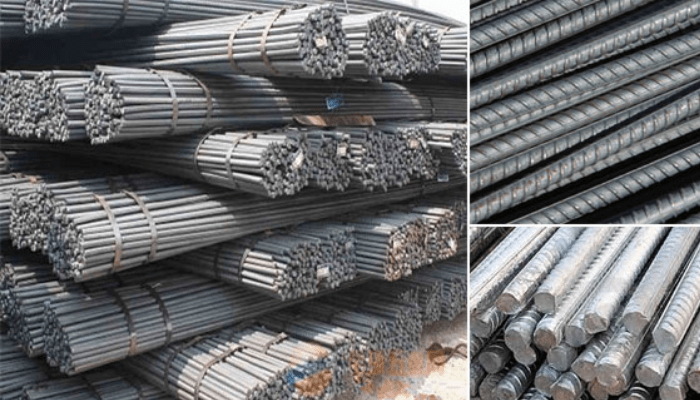
President Bola Tinubu has stated his commitment to repositioning the nation’s steel sector to produce 10 million tonnes of liquid steel by 2030, and generate over 500,000 jobs in the sector aimed at transforming the nation into a regional steel powerhouse.
President Tinubu, represented by the Vice President Kashim Shettima, stated this in his keynote address at the inaugural Stakeholders Summit on the Development of the Steel Sector, tagged, “Rebuilding And Consolidating Nigeria’s Steel Industry: Collaborative Action For Sustainable Growth And Global Competitiveness”, held in Abuja on Wednesday.
According to President Tinubu “Our vision is to transform Nigeria into a regional steel powerhouse, achieving self-sufficiency, generating employment, conserving foreign exchange, and building the industrial base that will drive our economy for generations to come.”

He said that some key initiatives to boost the steel industry includes the revival of Ajaokuta Steel Company, a $400 million investment from Stellar Steel Company Limited for a new steel plant in Ogun State, and a potential $5 billion investment from Jindal Steel Group for a 5 million tons steel plant, Scrap Aggregation Programme, A policy to collect, collate, and process metal scrap sources in Nigeria for steel production, aiming to combat theft and vandalism as well as Regulatory Frameworks
The president emphasised that the steel industry’s revitalisation is a national mission that requires collaboration from all stakeholders, including private investors, universities, workers, and the general public. “We need the boldness of private investors, the innovation of our universities, the skill of our workers, and the patronage of our people,” he said
Earlier, Abubakar Audu, Minister of Steel Development, said the inaugural summit was aimed at assembling key stakeholders to appraise the current state of the industry, explore investment opportunities, and develop a consensus roadmap for the sector’s revival.
He said that “the Government has introduced incentives such as capital allowances of up to 95% of qualifying capital expenditure, exemption from customs and import duties for plant, machinery, and equipment, and tax holidays, he said the sector still faced challenges of Infrastructure and opportunities including Human Capital and huge Export Potential.
“The Government aims to utilise abundant steel raw materials in Nigeria to substitute imported steel products, which have been draining the country’s foreign exchange reserves to the tune of over $4 billion annually.”

Chris Osa Isokpunwu, Permanent Secretary in the Ministry, in his remarks, noted that Nigeria’s steel industry is undergoing significant transformations under the leadership of President Bola Tinubu’s Administration.
“The President has demonstrated a strong commitment to reviving the sector, which is expected to become the bedrock of Nigeria’s industrialisation efforts”, he added.
He stated key achievements under the President Tinubu-led Administration to include “Privatisation Efforts, key Investments, a robust Regulatory Framework and Nigeria’s sufficient raw Materials”, saying Nigeria has abundant steel raw materials, including over 3 billion metric tons of iron ore reserves, which can drive local steel production and reduce reliance on imports.