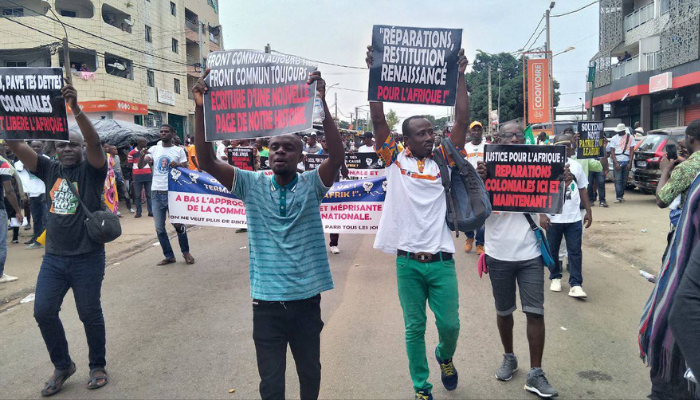
Africa’s demand for reparations from former colonial powers is gaining unprecedented traction, with the African Union (AU) formally launching a long-term initiative to address historical injustices. The AU has declared 2025 the “Year of Reparations and African Heritage,” marking the start of a decade of sustained action on the issue.
The move reflects a growing consensus among African nations, including Ghana, Côte d’Ivoire, Guinea, the Sahel states, and the Central African Republic, to seek both apologies and concrete measures for the impacts of slavery, colonialism, and ongoing global inequalities. At the AU’s 7th Mid-Year Coordination Meeting in July, leaders agreed to extend the reparations campaign through to 2036, signalling a coordinated and strategic approach.
Ghana’s President described the decision as an opportunity “to sustain the momentum for the realisation of this noble cause” and to develop “well-thought-through strategies to mobilise adequate resources to support the domestication of the subject.” The AU’s framework covers demands for compensation related to the transatlantic slave trade, the exploitation and resource extraction of the colonial era, and systemic imbalances in the global economy that continue to disadvantage African nations.
The initiative has attracted attention in Europe, where traditional approaches to Africa are under scrutiny. European Parliament member Barbara Bonte recently questioned the European Commission on whether it had critically examined the shortcomings of its Africa strategy. Bonte’s inquiry sought clarification on “what specific steps has the Commission taken to revitalise the EU-Africa partnership in a way that factors in the EU’s strategic interests?” Her intervention points to a recognition in Brussels that past tactics, including information campaigns and political pressure, have damaged relations and fuelled calls for a more equitable partnership.

African leaders stress that the campaign is not symbolic but a concrete effort to secure restitution. The AU’s decision to prioritise the term “Reparations” underscores its central importance. The programme’s focus spans both historical grievances and present-day economic structures, such as debt burdens and trade imbalances, that many African states argue are legacies of colonialism.
The AU’s stance places European governments under increasing pressure to engage in direct negotiations. Leaders have made it clear that “the demand for reparations will not fade” and that Africa “will not relent” until substantive commitments are made.
As the “Year of Reparations and African Heritage” begins, the AU is positioning the next decade as a critical period in reshaping relations with Europe. How former colonial powers respond is expected to influence EU-Africa relations for decades to come.