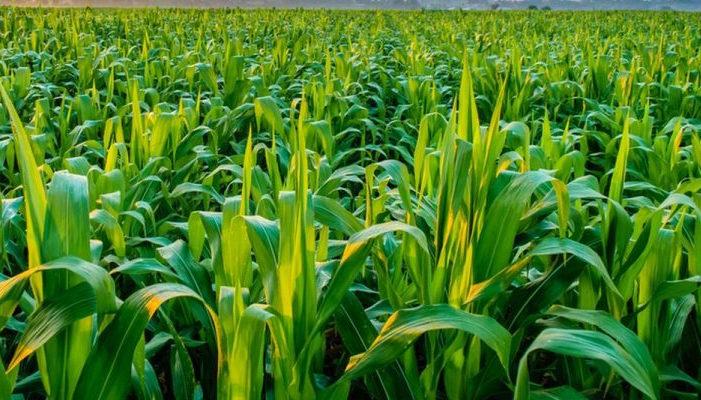
In a nation grappling with persistent economic shocks, rising poverty, and increasing unemployment, the urgent need to reform Nigeria’s agricultural sector cannot be overemphasised. Once the pride of the economy, the agriculture sector, responsible for employing over 70 percent of Nigeria’s workforce and contributing 23.69 percent to GDP in Q1 2025, National Bureau of Statistics (NBS), now shakes under the weight of neglect, insecurity, and outdated practices.
Since the Covid-19 pandemic hit in 2020, Nigeria’s agricultural fortunes have declined. The disruptions from lockdowns exposed systemic vulnerabilities: supply chain failures, inability of farmers to access their farms, and input shortages, notably fertilisers and seeds. According to the International Food Policy Research Institute (IFPRI), agriculture GDP contracted by 14 percent in the early months of the pandemic. That contraction set the tone for prolonged underperformance.
More than four years later, the sector continues to struggle with post-pandemic recovery. Although President Bola Tinubu’s administration has made agriculture a central focus of its Renewed Hope Agenda, earmarking over N300 billion in intervention funds through the Bank of Agriculture and Central Bank of Nigeria initiatives, the structural problems persist. These include insecurity, climate change, poor rural infrastructure, limited mechanisation, and inconsistent policy execution.
The persistent farmer-herder conflicts, particularly across the Middle Belt, Benue, Plateau, Taraba, and Kaduna states, have devastated rural livelihoods. According to SBM Intelligence, Nigeria lost over $13.7 billion in agricultural revenue between 2015 and 2023 due to such clashes. These conflicts, often rooted in competition for land and water resources, have led to displacement, loss of farmland, and reduced food production. Despite various government security interventions, including the National Livestock Transformation Plan (NLTP), implementation remains patchy.

In 2024, escalating insecurity in Zamfara, Niger, and Katsina saw many farmers abandoning their farms during the crucial planting season. This development worsens the already dire food inflation, currently at 40.66 percent as reported by the NBS in June 2025, the highest in over a decade.
What Nigeria’s agricultural sector needs now is not another cycle of policy pronouncements, but deep and coordinated structural reforms. Our land tenure laws must be reviewed to grant farmers secure access to land, enabling long-term investments. The 1978 Land Use Act must be amended to decentralise control of land and allow rural farmers and agripreneurs to use land as collateral for financing.
Secondly, security must be treated as the backbone of agricultural reform. Without safe and predictable access to farms, no amount of funding or innovation will yield long-term results. A special agro-security task force, integrated into existing state security outfits, could help protect key agricultural zones.
Also, investment in rural infrastructure, particularly feeder roads, irrigation, and electricity, is key. Currently, less than 2 percent of Nigeria’s cultivated land is irrigated. This leaves farmers at the mercy of erratic rainfall patterns, worsened by climate change. Irrigation and climate-resilient farming practices must be adopted at scale, with government and private partnerships driving implementation.
The shutdown of Indorama’s fertiliser plant in Rivers State during Covid-19 was a cautionary tale about Nigeria’s over-reliance on a few players for critical inputs. Although production has since resumed, input supply chains remain weak. High prices of fertilisers, pesticides, and seeds threaten productivity, especially for smallholder farmers who account for over 80 percent of Nigeria’s agricultural output.

To mitigate this, the Tinubu administration’s renewed effort to roll out the National Agricultural Growth Scheme (NAGS) must prioritise transparency and inclusion. E-wallet systems introduced during the Goodluck Jonathan era, which helped over 14 million farmers access subsidised inputs, should be upgraded and reinstated across all geopolitical zones.
Perhaps the boldest step Nigeria must now take is to move beyond primary production. Currently, 70 percent of farm produce is either wasted or sold in raw form due to a lack of storage, processing facilities, and logistics infrastructure. Nigeria imports over $10 billion worth of food annually, much of it comprising processed goods made from raw materials produced locally.
Creating agro-industrial processing hubs in each state will help reduce post-harvest losses, improve export potential, and create millions of jobs. The government’s Special Agro-Industrial Processing Zones (SAPZs), being implemented with the African Development Bank, must be fast-tracked and supported with favourable fiscal incentives.
The Federal Government must accept that it cannot reform agriculture alone. The private sector (agribusinesses, cooperatives, fintechs, and logistics firms) must be brought into policy planning and execution. Public-private partnerships can help scale innovation, drive efficiency, and expand access to markets.
For instance, platforms like ThriveAgric and AFEX are using digital tools to help farmers access finance, inputs, and markets. Such technology-driven models should be incentivised to scale nationwide.
Nigeria’s agricultural sector holds the key to reversing poverty, generating jobs, and reducing dependence on oil. But this can only happen with bold reforms, smart policies, and deliberate investments. The time for pilot projects and half-measures is over. Nigeria must invest in its farmers, secure its food supply chains, and unlock the immense potential of agriculture as the foundation of national recovery and long-term prosperity.