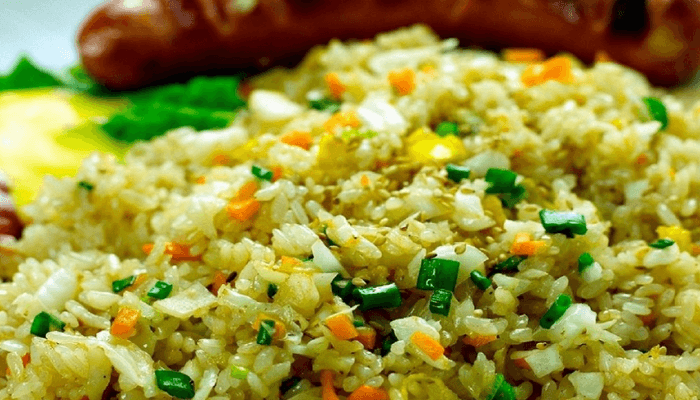
Welcome to the world of Nigerian party fried rice, so colourful and enriching. The best way to describe this type of rice is a Nigerian culinary heritage on a plate.
Fried Rice is a staple dish in the nation’s cuisine that is popularity personified. This colourful food has spread far beyond the shores and border of Nigeria, which is well known as a colourful cultural country.
The flavourful and aromatic dish is a perfect blend of spices, herbs, and ingredients that will leave you craving for more, especially when mixed with assorted fresh vegetables, and special spices.
The aroma of spices will readily transport you to the vibrant streets of Nigeria. Yes, at every Nigerian celebration, from lavish weddings and milestone birthdays to Sunday lunches, funerals, and office parties, party fried rice is one dish that usually steals the show with its colour, flavour, and cultural presence.

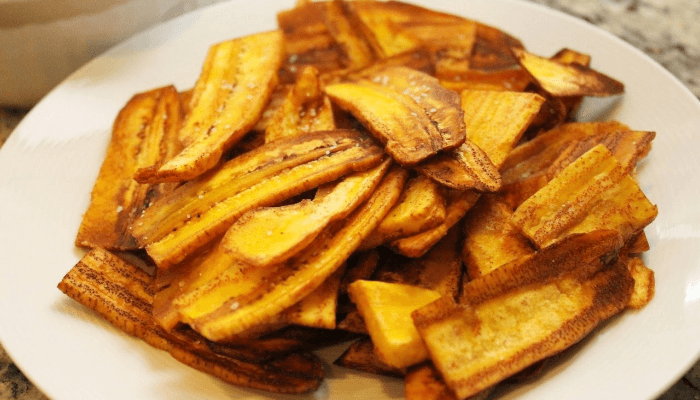
The rice delicacy is often plated beside juicy fried chicken, fried fish, fried plantains, or moi moi. Of course, this vibrant meal is more than just food, it is a symbol of community, tradition, heritage, unity, festivity, and cultural identity.
But beyond its mouth-watering appeal, Nigerian Party Fried Rice tells a deeper story of one culinary delight that deserves a place on UNESCO’s Intangible Cultural Heritage List.
Nigerian Fried Rice, unlike its Asian namesake and counterpart, Chinese fried rice, is a distinct, indigenous culinary creation with its own rules and personality.
It begins with well-parboiled rice, often flavoured with stock from meat or chicken, and tossed with a blend of colourful vegetables, like cabbage. lettuce, carrots, peas, green beans, assorted bell peppers and liver or shrimp.
Just got ahead and try it with shrimps and be glad to relish a rich, meaty and healthy touch.

The combination of these ingredients is meant to create a symphony of flavours that is both familiar and exciting .
It is not a side dish, it is the main event, especially at parties. In fact, if you attend a “Nigerian owambe” and fried rice is missing, you might leave feeling that something important was left out.
Trust the yellow colour of turmeric, and curry powder to give it an unmistakable Nigerian flair. With the addition of the likes of thyme, rosemary and plenty onions, the entire dish is stir-fried, not just to cook, but to infuse every grain with flavour.
The rich cultural story of the dish reflects its modern culinary evolution and its deep roots.
Nigerian homemade fried rice which has now dovetailed into a great party delight, reportedly emerged in the 1960s and 70s during a period of national reinvention and growing urbanization.
Influenced by global food movements yet grounded in Nigerian creativity, it quickly became a national staple, served not just at home, but at school events, social gatherings, and festive holidays like Christmas and Easter.
From Lagos to Enugu, Kano to Calabar, and virtually all the regions of the country, fried rice has been reimagined by tribes, regions, and households, becoming a shared identity across Nigeria’s diverse ethnic landscape.
Why Fried Rice deserves UNESCO recognition
UNESCO’s Intangible Cultural Heritage list is simple. It celebrates traditions passed from generation to generation, that contribute to a community’s identity.
Nigerian Fried Rice fits the bill in several ways:
-It’s an Oral Tradition: Recipes are not just in books, they’re passed from mothers to daughters, aunties to nieces, street cooks to apprentices and taught in various culinary classes and schools.
-It strengthens Social Bonds: Whether cooked at weddings, naming ceremonies, or church events, fried rice fosters community.
-It represents National Pride: The dish is proudly served in embassies, diplomatic events, and by the Nigerian diaspora globally.
– It’s a Living Tradition: Constantly evolving, yet deeply rooted in heritage, adapting to regional ingredients while preserving its core essence.
Nigerian Fried Rice is more than what’s on your plate as a meal, it is a movement. Every home must have tasted this meal. It’s a story of migration, creativity, adaptation, and joy. It’s found in street stalls and high-end hotels, local bukas and buffet lines. It speaks to Nigeria’s ability to fuse the traditional with the contemporary.
By advocating for its inclusion in UNESCO’s list, we are pushing a cultural plate, a national narrative of one grain of rice at a time.
Culinary Diplomacy: Serving Heritage on a Global Table
In an age where food is a form of soft power, Nigerian Fried Rice has the potential to be a cultural ambassador. Just like Italy’s pasta, Japan’s sushi, or Mexico’s tacos, our fried rice tells the world something special about us. It tells them we are vibrant, communal, and deeply proud of our roots.
Food festivals, cultural showcases, and tourism efforts could spotlight Nigerian Fried Rice not just as a meal, but as a symbol of identity and resilience.
Recipe for 5 servings
– 5 cups parboiled rice
– 3 cups cooked meat
– 2 cookingspoons vegetable oil
– 1 teaspoon thyme
– 1 tablespoon ground turmeric
– Salt and seasoning to taste
1 cup diced liver or shrimp
– 1 cup diced carrots
– 1 cup green peas
– 1 green bell pepper (diced)
– 1/2 cup sweet corn (optional)
– 2 tablespoons curry powder
METHOD
– Heat the oil in a large pan over medium heat. Add the liver or shrimp and fry until cooked.
-Stir in carrots, peas, peppers and other veggies
-Sauté chopped onions until translucent.
-Add some cooked meat and stir-fry. -Add all mixed vegetables and stir-fry.
-Add cooked rice, stirring constantly to combine with vegetables and protein.
– Season with thyme, curry powder, salt, turmeric, and other seasonings.
-Add little water and allow to steam gently until fully cooked and well-coloured.
-Stir fry again briefly for that “party rice” finishing and serve hot.