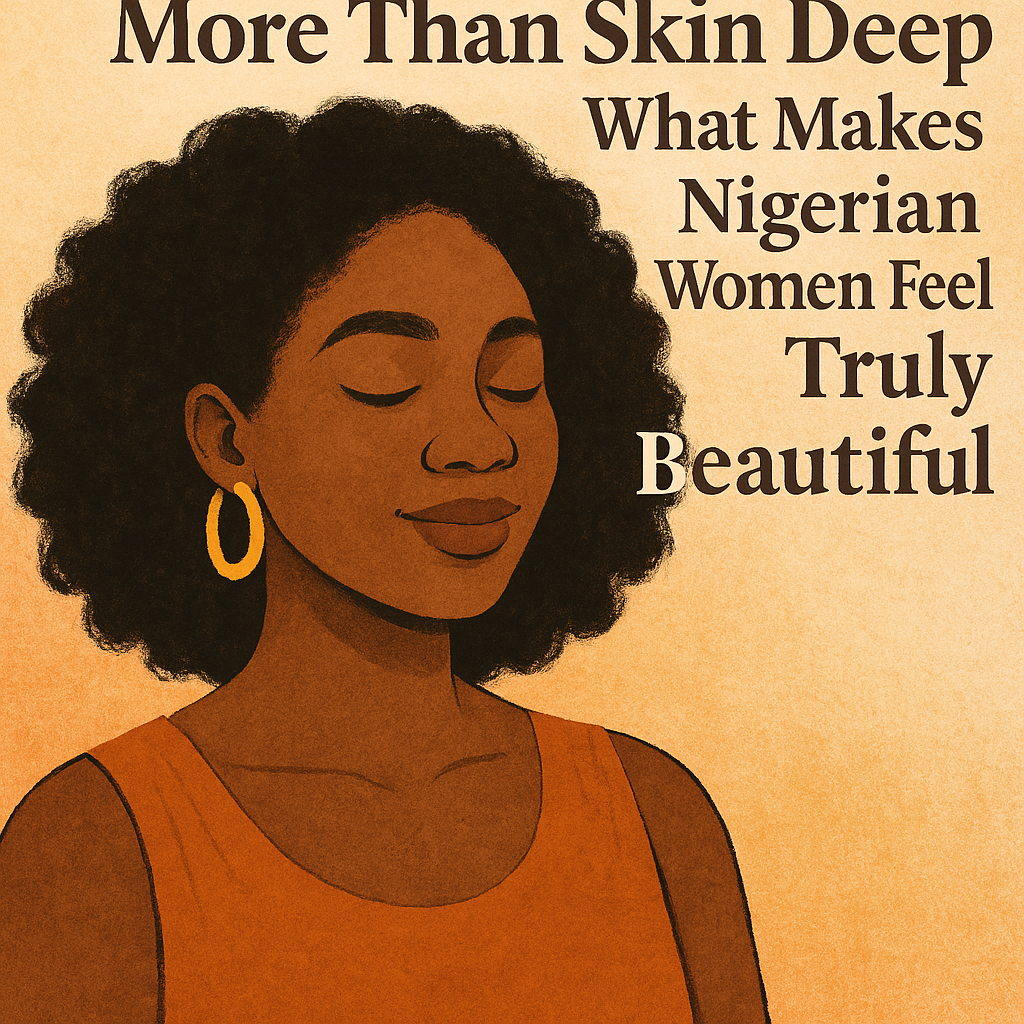
In Nigeria, beauty is often seen before it is felt. It is a visual currency, shaped by culture, society, and digital screens that broadcast ideals many women are expected to live up to. Yet beneath the pressure to meet ever-shifting standards lies something far more enduring, a quiet, powerful self-awareness that challenges the idea that beauty must be defined externally.
BusinessDay’s Women’s Choice July 2025 poll asked women a deeply personal question: “When do you feel most beautiful?” The responses, though diverse, reflected a shared understanding that beauty is less about appearance and more about self-acceptance, inner confidence, and emotional well-being.
The majority of respondents said they felt most beautiful “when doing something they love”, suggesting that purpose and self-expression are major drivers of confidence. Others cited moments of solitude, peace, and reflection — “when I am alone and at peace” — as times when their beauty feels most evident. Compliments also played a role, but rarely as the sole source of confidence.
Read Also: Nigerian women reject marriage as the ultimate measure of their worth

Self-confidence, many women said, comes from within. Respondents cited everything from achievements and abilities to emotional intelligence and spirituality as core to how they experienced beauty. This inward-looking perspective stood in contrast to the more visible traits like style, hair, or skin tone, which, while still appreciated, were secondary to things like insightfulness, character, or a strong sense of self.
Yet, this internal strength exists alongside an ongoing battle with societal expectations. When asked whether they had ever felt pressured to meet certain beauty standards, most women said “sometimes”, but a significant number admitted to feeling that pressure “constantly.” The biggest culprits? Social media, men’s preferences, and global beauty narratives. For many, these external forces were not just present but deeply ingrained, shaping how they were perceived and how they sometimes perceived themselves.
While some had considered altering their appearance to meet these standards, many had resisted. Others acknowledged that they had gone through periods of doubt, with some making changes to their hair, skin, or bodies to feel more accepted. A number of women tied these decisions to feeling judged for their skin tone or body size, further evidence that Nigeria’s beauty ideals are still often filtered through narrow and Eurocentric lenses.
But the most revealing answers came from the open-ended questions. When asked what made them feel beautiful that had nothing to do with appearance, women shared deeply personal reflections: acceptance, authenticity, emotional intelligence, insightfulness, independence, and their relationship with God. One woman simply wrote, “Just like that.” Another said, “Beauty is being you. Shedding the world’s filter and looking at your own features.”

Read also: Breaking the silence: Dr. Ngozi’s mission to transform women’s intimate care
The final question:“What does beauty mean to you?”, brought all these sentiments into focus. While words like confidence, peace, authenticity, and character were recurring themes, many respondents framed beauty as an evolving, internal experience. “It means being comfortable in your skin,” wrote one. “Loving yourself no matter what.” Another respondent described it as “being your optimum self.”
The responses make one thing clear: beauty for Nigerian women is not a fixed ideal. It is not the sum of their features, nor a checklist of societal expectations. It is self-defined, constantly negotiated, and deeply personal.
Still, many called for a wider cultural shift, one that moves beyond visual representation to embrace diverse expressions of beauty. One woman put it simply: “I wish our society would celebrate character and confidence as much as it celebrates makeup and waist size.”
As conversations around womanhood in Nigeria continue to evolve, so too does the narrative around beauty. The women who responded to this poll are not simply reacting to beauty standards, they are rewriting them. They are teaching us that beauty is not about being seen, but about seeing oneself, clearly, confidently, and on one’s own terms.