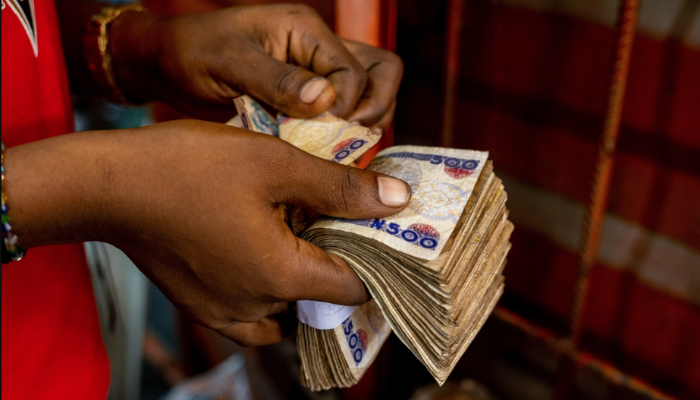
Every nation is defined not only by its geographic boundaries or governance structures but also by the enduring symbols that reflect its values, aspirations, and identity. These symbols. ranging from the national anthem to the flag, the coat of arms, and the international passport, embody a collective sense of belonging and pride. Among these, the naira, Nigeria’s legal tender, holds a unique and powerful place as a symbol of national sovereignty.
Understanding our symbols of identity
Symbols of identity are elements, tangible or intangible, that communicate the core values, culture, and distinctiveness of a people. For Nigeria, these include the national flag, anthem, pledge, coat of arms, the Naira, passport, voter’s card, national motto, languages, cultural icons, and historic monuments. Each plays a distinct role in shaping our collective national consciousness. The naira, in particular, functions as more than just a medium of exchange; it is a manifestation of our economic autonomy and national pride.
Yet, in recent years, the public treatment of the naira has revealed a troubling erosion of respect for this national symbol. Spraying, mutilating, stapling, selling, or stepping on banknotes has become commonplace at social gatherings, often celebrated rather than condemned. This disregard goes beyond aesthetics; it challenges the sanctity of our sovereignty.
The EFCC’s campaign: Good citizenship, respecting the naira
Last week, the Economic and Financial Crimes Commission (EFCC), under the leadership of Executive Chairman Mr. Ola Olukayode, hosted a stakeholder engagement in Lagos themed “Good Citizenship, Respecting the Naira.” Attended by representatives from the entertainment industry, regulatory bodies like ICAN and NBA, Bureau de Change operators, security agencies, and content creators, the forum aimed to launch a broad-based campaign against the abuse and defacement of the Naira.

This is a welcome development. As a nation, we cannot ignore the symbolic and practical implications of naira abuse, which undermines public trust in our institutions, devalues our currency, and introduces inefficiencies in the banking and financial systems.
What constitutes naira abuse?
Legal scholars like Dr. Wahab Shittu, SAN, have outlined clearly in various publications that naira abuse includes practices such as:
Spraying banknotes during celebrations
Stapling or pinning currency notes
Soiling or dancing on notes

Selling new or mint notes, especially during social functions
Tearing, writing on, or rejecting the Naira as legal tender
On a deeper level, naira mutilation refers to the physical degradation of currency notes, whether through excessive wear, chemical damage, loss of security features, or tearing. These acts reduce the circulation lifespan of banknotes, increase printing costs, and impede smooth financial transactions.
Legal provisions and enforcement
Section 21 of the Central Bank of Nigeria (CBN) Act (Cap C4, LFN 2004) clearly states that any individual who tampers with currency issued by the CBN is guilty of an offence and liable upon conviction to a minimum of six months imprisonment or a fine not less than ₦50,000 or both.
Further, the CBN Act of 2007 criminalises the spraying, writing on, mutilating, or stapling of banknotes. The EFCC, under its statutory mandate in the EFCC Act (2004), is empowered to enforce these provisions alongside those contained in the Foreign Exchange (Monitoring and Miscellaneous Provisions) Act. Collectively, these laws underscore the gravity with which the Nigerian legal system treats offences against the Naira.
Upholding sovereignty through civic responsibility
Beyond laws and enforcement, it is essential that Nigerians reawaken their sense of ownership and civic duty. Respect for the naira must become a cultural value, not merely a legal obligation. When we mishandle our currency, especially in public settings, we not only violate the law, but we also degrade a national symbol that represents our economic independence.
This is not just about money; it’s about mindset. The careless treatment of the naira reflects a broader disregard for national values and public property. If we do not respect our currency, how do we expect the world to respect it?
A call to collective action
Changing attitudes towards the Naira requires deliberate, multi-sectoral collaboration. Public enlightenment campaigns, civic education in schools, faith-based advocacy, media partnerships, and responsible behaviour by influencers and celebrities can all play a role. Events like weddings and celebrations must no longer become platforms for public currency abuse.
It is time to remind ourselves that patriotism is not only expressed in singing the anthem or waving the flag; it is also evident in how we treat our national currency.
Conclusion
The Naira is more than paper; it is a testament to our collective dignity and sovereignty. Every act of abuse or mutilation chips away at that dignity. If we truly value our nation, we must protect and respect the symbols that define us. The campaign to end Naira abuse must not end with words; it must translate into action, from boardrooms to banquet halls, from policies to public behaviour..
Only then can we restore the pride and sanctity that the naira, and by extension Nigeria, truly deserves.
Dr. Kingsley Ndubueze Ayozie is a chartered accountant and public affairs analyst. He writes from Lagos..