
Milsat Technologies, a geospatial data company based in Nigeria, is redefining how state governments can drive Internally Generated Revenue (IGR) by digitizing property tax systems, starting with Ekiti State.
For many Nigerian states, IGR remains a lifeline for governance. Yet, long-standing obstacles such as informal economies, outdated tax systems, and weak data infrastructure have hampered revenue growth. Property taxation, in particular, has historically underperformed despite its potential as a recurring and reliable revenue source.
Ekiti State, however, is taking a different approach. Under the leadership of Governor Biodun Oyebanji, the state has embraced technology as a strategic tool for governance reform. From expanding the tax base to increasing transparency, the administration is laying the groundwork for a more sustainable fiscal future.
A cornerstone of this transformation is Ekiti’s partnership with Milsat Technologies. The collaboration, led by the Ekiti State Internal Revenue Service (EKIRS), aims to modernize ground rent and property tax collection through advanced geospatial and digital solutions.

A Digital Shift in Property Tax
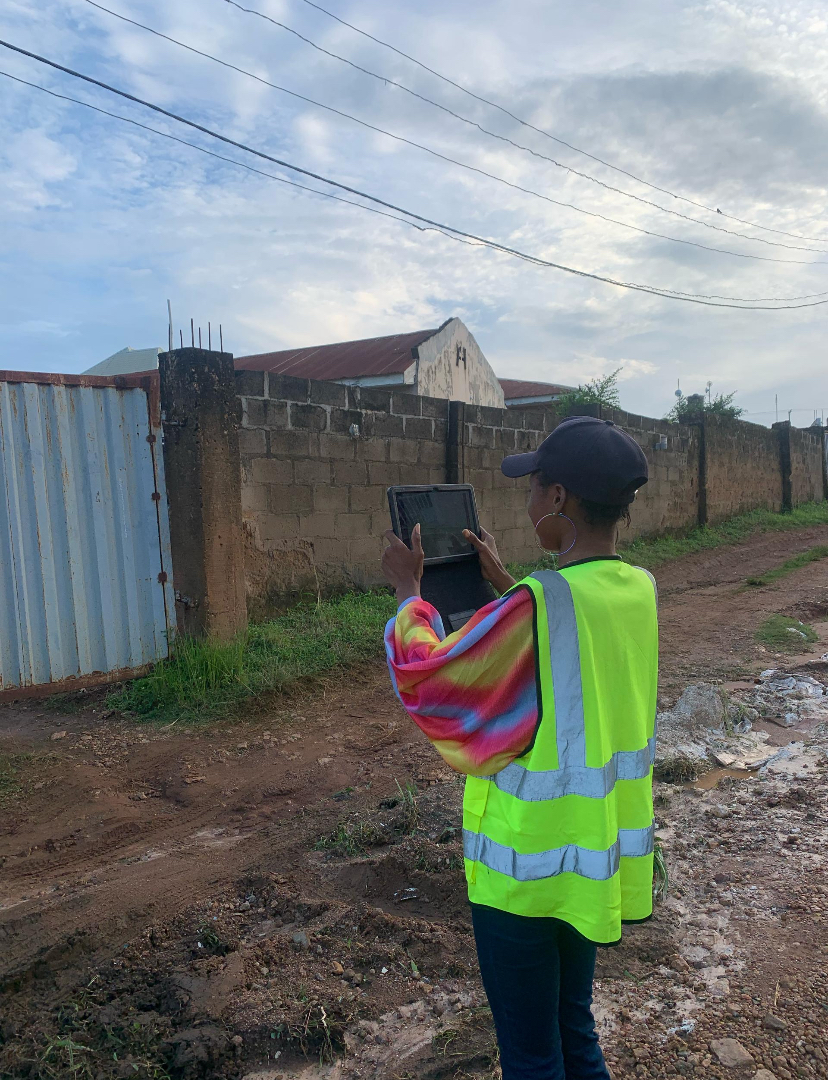
As part of the reform, Milsat deployed an integrated enumeration system across Ado-Ekiti and Ikere-Ekiti Local Government Areas. Leveraging satellite imagery, geocoding, and field data tools, the company mapped and categorized over 170,000 properties—residential, commercial, and institutional. Each property was digitally tagged, forming the foundation for a transparent and dynamic land registry.
The resulting infrastructure includes a real-time geospatial dashboard for monitoring and validation, as well as a dedicated geoportal for automated billing, updates, and notifications. These systems have significantly reduced manual errors, improved traceability, and streamlined taxpayer communication.
Impressive Fiscal Impact

According to data from EKIRS, Ekiti’s monthly IGR jumped from ₦650 million in 2022 to over ₦2 billion in 2025. While the revenue growth reflects a broader reform agenda, officials say the infusion of accurate property data and smart technologies is playing an important role.
Speaking on the development, Taslim Salaudeen, Chief Executive Officer at Milsat Technologies, emphasized the value of digital innovation in driving public sector efficiency.
“Milsat’s innovative solutions have revolutionized property tax collection in Ekiti,” said Taslim Salaudeen, Chief Executive Officer of Milsat Technologies. “Our tools provide accurate geospatial linkages, generate QR codes, and categorize taxable properties, creating a transparent and accountable taxation framework.”
He added that taxable properties are now better integrated into the Land Use Charge (LUC) framework, expanding the revenue base and creating opportunities for broader fiscal planning.
Mr. Olaniran Olatona, Chairman of EKIRS, also spoke on the wider significance of the project, noting how it has transformed a system once riddled with opacity:
“For years, property taxation in Ekiti operated in the shadows. Today, we have a clear, verifiable property database. Our processes are open, traceable, and accountable. This reform has rebuilt trust between government and citizens.”
Beyond Taxation: A Multi-Sector Data Engine
The benefits of the project extend well beyond the revenue service. Salaudeen noted that other Ministries, Departments, and Agencies (MDAs) could harness the same data infrastructure to improve planning, compliance, and service delivery.
“We’re proposing a collaborative data-sharing model. Ministries such as Trade and Investment, Waste Management, Tourism, Health, and the Signage and Advertisement Agency can tap into this baseline to streamline operations and develop their own revenue strategies,” he said.

Setting a National Precedent
As Ekiti progresses toward full state-wide coverage, it is quickly becoming a reference point for digitally enabled IGR reform in Nigeria. The initiative supports national goals around fiscal sustainability, economic diversification, and data-driven governance.
“Only with accurate, accessible data can governments and businesses make informed decisions that drive inclusive development,” said Salaudeen.
With this project, Ekiti is showing how geospatial intelligence and digital infrastructure can transform taxation from a bottleneck into a growth engine, setting a model for other states to follow.