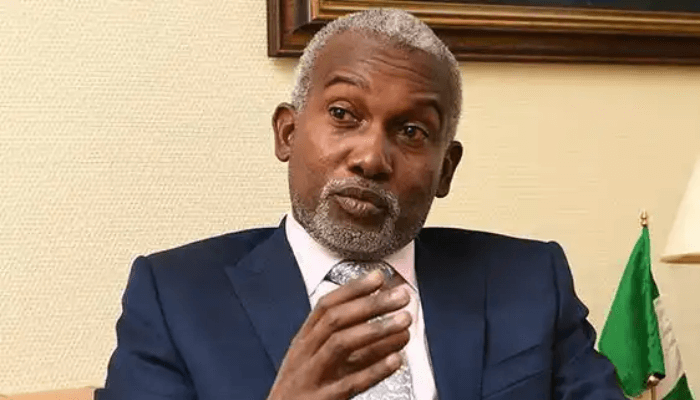
Yusuf Tuggar, Nigeria’s Minister of Foreign Affairs, has officially flagged off the construction of a new Chancery building for the Nigerian Embassy in Algiers, Algeria.
The groundbreaking ceremony, held at the Dely Ibrahim Diplomatic Enclave in the Algerian capital drew the attendance of senior Algerian Government officials, Embassy staff, and members of the Nigerian community.
According to a statement by the Nigeria’s Ministry of Foreign Affairs, the new Chancery is expected to serve as a modern hub for Nigeria’s diplomatic and consular activities in Algeria and across the Maghreb region.
Tuggar said that the building would reflect Nigeria’s aspirations for a forward-looking foreign service.

“The construction of this chancery underscores our commitment to raising the standards of Nigeria’s representation abroad while promoting national pride and operational efficiency”, he stated.
According to the Minister, the facility is designed with eco-friendly architecture, advanced security infrastructure, and modern amenities to create a more efficient and secure working environment for foreign service personnel, while also improving the quality of consular service delivery to Nigerians in Algeria.
“The construction is set to commence immediately and is projected to be completed within 18 months.
“It forms a critical component of the Ministry of Foreign Affairs’ ongoing reform agenda, which seeks to modernize Nigeria’s missions worldwide and project a stronger, more confident image on the international stage”, the statement noted.
During a bilateral meeting between Tuggar and his Algerian counterpart, Ahmed Attaf, both Ministers reaffirmed the strong and longstanding relations between Nigeria and Algeria, and expressed their shared commitment to revitalizing bilateral cooperation across key sectors.

“Discussions centered on strategic political and economic partnerships, enhanced regional collaboration, and multilateral diplomacy”, the Ministry said.
The ministers emphasised the need to reinvigorate the Nigeria-Algeria Binational Commission, an important platform for sustained cooperation on trade, security, and development.
Both countries also pledged to deepen coordination on regional challenges affecting West and North Africa, including insecurity, migration, and climate change.
They reiterated their joint commitment to advancing African priorities on the global stage, such as United Nations reforms and deeper continental integration under the African Union framework.