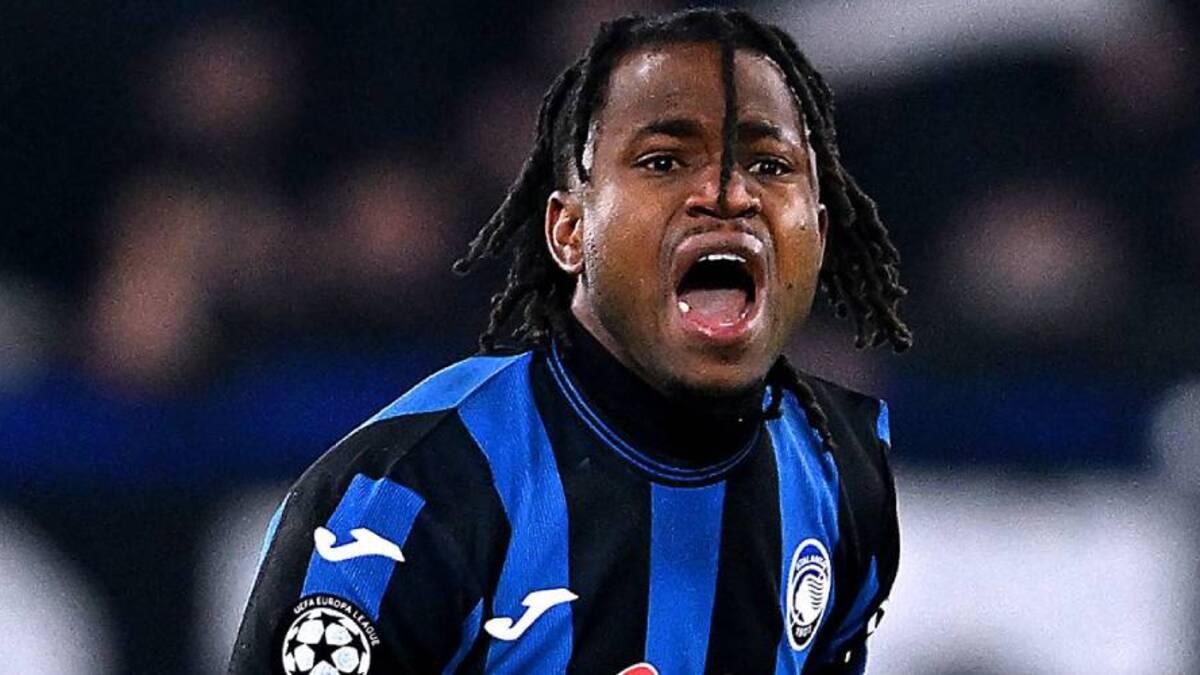
Nigerian international Ademola Lookman has formally submitted a transfer request at Atalanta, citing broken promises and the club’s refusal to sanction his move to Inter Milan, despite what he described as a prior agreement.
The reigning CAF African Player of the Year’s emotional statement has cast fresh light on an increasingly common feature in football’s transfer business.
Read Also: Ademola Lookman hands in transfer request to force Inter Milan move
Lookman’s situation offers a timely example of why players resort to transfer requests, what it means, and what implications it can carry.

What Is a Transfer Request in Football?
A transfer request is a formal communication from a player to their club, expressing the desire to leave. While players may express dissatisfaction behind closed doors, a transfer request is an official step that brings the issue into sharper focus.
Transfer requests are typically submitted during the summer and winter transfer windows, when clubs are allowed to buy and sell players. Lookman’s request, during the ongoing summer window, follows this standard.
How Are Transfer Requests Made?
There’s no universal format, but a transfer request is usually a written document submitted through a player’s representative or agent to the club’s management, often addressed to the sporting director, CEO, or chairman.
In some cases, players may choose to make their intentions known publicly. That’s what Lookman did: he released a detailed Instagram statement explaining his frustrations and reasons for requesting a move, effectively putting pressure on Atalanta in the public eye.
Why Do Players Submit Transfer Requests?
A player may file a transfer request for various reasons:

To push through a move: A player may want to join another club, but negotiations are stalled. The request is a signal to move talks forward.
Due to internal conflicts, Like Lookman, some players act after disagreements with club management, broken promises, or feeling undervalued.
To signal availability: Going public can attract interest from other clubs, especially if they were unaware the player was open to leaving.
Is Submitting a Transfer Request Risky?
Yes, but it can also be strategic.
A public or formal transfer request can exert pressure on the club to sell, especially if fans sympathise with the player. In Lookman’s case, his respectful tone and appreciation for Atalanta and its fans may help preserve goodwill.
However, transfer requests can backfire:
Clubs are not obliged to accept them.
If no transfer materialises, the player must remain, often in a tense environment.
Dressing room dynamics and fan support may suffer.
Are There Downsides?
Absolutely. Submitting a transfer request can come at a cost:
Fan backlash: Supporters may feel betrayed by a player seeking an exit.
Reputation risks: If the move doesn’t happen, rebuilding trust can be difficult.
Financial consequences: Players may forfeit loyalty bonuses or other contract-related earnings tied to staying at the club.
Why Did Lookman Submit a Transfer Request?
Lookman submitted the request after Atalanta rejected a €45 million offer from Inter Milan, despite the player having already agreed to personal terms with the Nerazzurri.
In his public statement, Lookman revealed that he had been led to believe he would be allowed to leave if a “fair” offer came in. He described Atalanta’s refusal to sell as a breach of trust, citing “many months of broken promises” and “poor treatment”.
“I have loved every moment, but I feel that now, after three wonderful years in Bergamo, it is the right time to move on and experience a new adventure,” he wrote.
He also recalled his pride in helping Atalanta win the UEFA Europa League, calling Bergamo “home” and expressing gratitude for the club and fans.
However, the winger said he had “no choice” but to go public after what he views as a reversal of previous agreements, making the formal transfer request in hopes of forcing a move.
What Happens Next?
Whether Atalanta will stand firm or re-enter talks with Inter remains uncertain. But Lookman’s decision is a vivid reminder that transfer requests often go beyond football; they reflect trust, respect, and promises made behind the scenes.