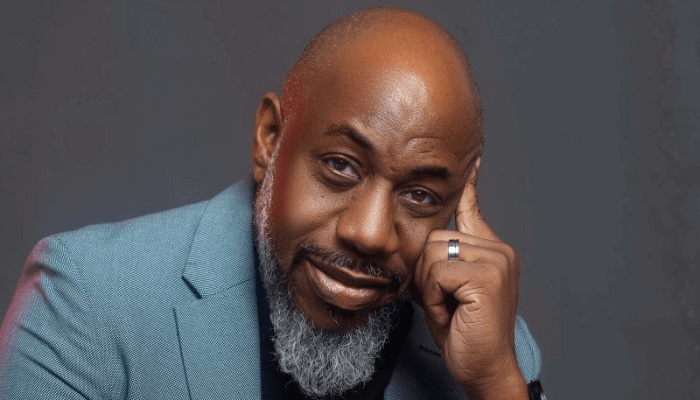
Kachi Benson Joel is an Emmy Award winning documentary filmmaker whose work blends storytelling with social impact. He pioneers immersive storytelling in Nigeria, using both traditional film and Virtual Reality (VR) to spotlight human centered narratives across Africa. He is recognised as the first Nigerian filmmaker to explore VR as a storytelling medium. His groundbreaking 2018 VR documentary, In Bakassi, is Nigeria’s first in the format. Set in a major IDP camp in Northeast Nigeria, the film follows 11-year-old Modu Mustapha, an orphan of the Boko Haram crisis, offering a powerful, 360° perspective on displacement, resilience, and survival. In this interview with KENNETH ATHEKAME, he spoke on the Nigerian creative industry and the challenges of producing VR documentaries in the country from technological limitations to distribution hurdles and monetisation barriers. Excerpts:
You’re widely recognised for pioneering virtual reality documentaries in Nigeria. How do you see immersive storytelling shaping the future of the Nigerian creative economy?
Immersive storytelling, particularly through VR, is redefining how audiences engage with content. In Nigeria, it presents a chance to leapfrog traditional media constraints and offer deeply personal experiences that can move audiences from empathy to action. As more creators adopt this technology, we’ll see new forms of storytelling, education, advocacy, and even tourism emerge. This, in turn, will create jobs, tech development, and global partnerships that can transform the creative economy.
Nigeria’s film industry is globally celebrated, yet still grapples with issues like poor funding, infrastructure, and policy. What structural changes do you believe are necessary to truly unlock the business potential of storytelling in Nigeria?

As a documentary filmmaker, I’ll speak for my genre and my community. I believe the system needs to better value and support non-fiction storytelling. Documentaries are powerful tools for education, advocacy, and national reflection, yet they remain underfunded and overlooked. We need grants, commissioning platforms, and policy frameworks specifically designed to support documentary projects. Strengthening distribution channels, including public broadcasters and streaming platforms that prioritise documentaries, would also help unlock the genre’s economic and social value.
As someone on the NAM Top 100 Most Influential Africans list, how do you see your role in shaping cultural diplomacy and Nigeria’s global creative brand?
I see myself as a cultural ambassador, so I want to make films that challenge, motivate and inspire. I want to make films that engage and portray my people through a lens of dignity and pride. Every film is an opportunity to show the world a more nuanced and powerful Nigeria. Cultural diplomacy isn’t just policy, I believe it’s storytelling, and by telling our stories authentically, we challenge stereotypes and expand what it means to be Nigerian on the world stage.
Your films like Daughters of Chibok, Mothers of Chibok, and Noah’s Raft explore powerful human stories against challenging social backdrops. How do you balance commercial viability with storytelling for impact?
It’s a delicate balance. We often fund social impact stories through income from our commercial projects. I run a production studio, JB Multimedia Studios, that does a lot of work for corporate clients, and a percentage of the funds we receive is channelled towards our impact projects, because I truly believe in the power of film to inspire change. But we also craft our impact films with longevity in mind. We screen them at global festivals, and we continue to explore partnerships with international production companies, who can fund our films with the intent of recouping via distribution. Purpose can be profitable if you’re strategic about audience and distribution.

In a business sense, what are the practical challenges of producing VR documentaries in Nigeria from tech to distribution to monetisation?
Access to equipment, high-speed internet, and a skilled crew are major hurdles. VR headsets are expensive and rare locally, which limits distribution. There are not many places where immersive content can be accessed and consumed. There are no grants or support systems that I am aware of in Nigeria that support the creation of immersive content, so my team and I often rely on our own funds or international grants. But as the conversation continues I hope that more players will see the value in coming in to support the growth and development of the ecosystem.
What advice would you give emerging Nigerian filmmakers on turning storytelling into a sustainable business model while staying rooted in purpose?
I’m not sure am the best person to answer that question, because I am still trying to find my way, especially as a factual filmmaker. It’s tough and lonely as a storyteller who’s focused on making documentaries. If I have to give one, it would be to stay anchored in ‘why’ you started. Purpose will guide you through the inevitable challenges.
MADU has become a global success story and even won an Emmy. What does its international reception tell you about the universality of Nigerian stories, and how can the local industry better position such stories for export?
Madu, making history as the first Nigerian documentary film to win an Emmy for Outstanding Arts and Culture Documentary is proof of the strength of our stories. It shows that our local stories, told with intent and excellence, can play, and be recognised on the global stage. We can’t cut corners…things just have to be done right. We should be passionate about excellence, and continue to hone our skills, collaborating and learning from filmmakers in other climes who are doing the same with intent and excellence. More importantly, we must build bridges to global distributors and platforms that can carry our stories across borders.
Noah’s Raft captures the intersection of education, poverty, and innovation in a floating slum. What was your biggest takeaway from that project, and what ripple effects have you seen on the ground since its release?
The resilience of the community was humbling. Despite overwhelming odds, they innovate and educate. The film was made during COVID, and while we were still editing, I shared some clips with someone who ended up committing to powering the school with solar, providing internet, and other things that the kids would need so their education would continue even during the lockdown. Now, that’s impact storytelling.
You teach and mentor across institutions in Nigeria, the UK, the US, and more. From your experience, what gaps exist in film education and training in Nigeria, and how can they be addressed?
I love sharing knowledge, not from a textbook, but from personal experience as a filmmaker. I can’t speak to what gaps exist in the film training ecosystem in Nigeria, because I did not study film here, but from my interaction with young filmmakers, especially in the doc space, there seems to be a disconnect between passion and purpose. Understanding your why, as cliché as it may sound, is really important. These are the conversations that I like to have with young filmmakers.
From ‘In Bakassi’ to ‘Mothers of Chibok’, your work consistently centres on marginalised voices. What motivates this focus, and what story are you most eager to tell next?
I believe the most powerful stories are the ones that have not been told. I’m drawn to voices that are often unheard because they carry the deepest truths. Amplifying voices and bringing impact to underserved communities is what inspires me to tell stories. My next film? Stay tuned.