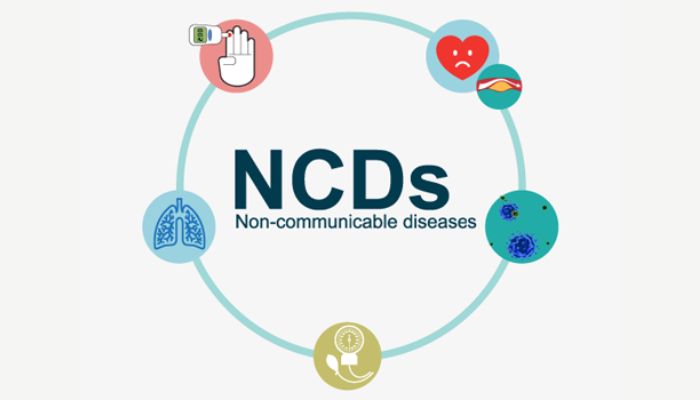
Nigeria is facing an alarming surge in Non-Communicable Diseases (NCDs), even as health experts are warning that unless the country tackles sedentary lifestyles, poor urban diets, and under-resourced health systems, the crisis could spiral out of control.
Medical professionals and public health stakeholders, at a capacity-building workshop on the “Redemptive Non-Communicable Diseases Crisis” organised by the Brand Journalists Association of Nigeria (BJAN) in Lagos, over the weekend, painted a grim picture of Nigeria’s NCD outlook, calling for urgent policy, educational, and infrastructural reforms.
Dr. Ajibola Arewa, an associate professor at the department of banking and finance, Lagos State University, described NCDs as a multidimensional crisis, stressing that they are not caused by one factor but by a web of unhealthy behaviors and systemic gaps in Nigeria’s health infrastructure.
Read also: ADPF hosts walk in Lagos to raise awareness on Parkinson’s Disease

Quoting World Health Organization (WHO) data, he noted that NCDs accounted for 24 percent of deaths in Nigeria in 2011, a figure that rose to 29 percent by 2021.
“Diseases like hypertension, cancer, diabetes, and heart disease are now widespread across all age groups. We often single out sugar-sweetened beverages as the primary culprit, but the problem runs far deeper as alcohol use, ultra-processed foods, sedentary work culture, and lack of preventive care all contribute significantly,” Arewa said.
He warned that while policies like the ₦10 per litre sugar tax or tobacco levies are steps in the right direction, they are insufficient if not paired with broader reforms such as public awareness campaigns, nutrition education, and improvements in community healthcare systems. “Relying solely on fiscal measures without behavioral change strategies won’t reverse the trend,” he added.
Dr. Godswill Iboma, a public health advocate who spoke during a session on “Lifestyle and Environment in NCD Prevention”, emphasized that the interplay between personal habits and environmental factors is central to understanding the NCD crisis.
“Your lifestyle, which include what you eat, how much you move, how you sleep, can shape your health trajectory. But even if your habits are healthy, if the water you drink is contaminated or the air you breathe is polluted, you are still at risk,” he said.

Iboma argued that NCDs, unlike infectious diseases, do not spread from person to person but stem from long-term exposure to behavioral, environmental, and even inherited risk factors. He identified three categories of NCD risks: behavioral (such as poor diet and smoking), metabolic (like obesity and high blood pressure), and environmental (including exposure to pollution and poor sanitation).
“In Nigeria, the most common NCDs are cardiovascular diseases, cancers, diabetes, and chronic respiratory diseases. Chronic kidney disease is also rising, often worsened by unregulated herbal remedies and poor water hygiene,” he said.
Environmental degradation, is also compounding the crisis, as Iboma warned that deforestation, air pollution, and erratic weather patterns linked to climate change are already impacting respiratory health, food production, and water availability. “In rural communities, lack of access to clean water is directly tied to chronic infections and diseases like schistosomiasis, which can lead to long-term complications like bladder cancer or infertility,” he explained.
Simple, low-cost interventions like walking more, engaging in household chores, and reducing processed food consumption were recommended as effective preventive measures, Iboma said, adding that, “Lifestyle change does not have to be expensive. It needs to be intentional and sustainable.”
Read also: We’re committed to finding solution to kidney disease in Yobe Buni
Dr. Yvonne Olaloku, a public health consultant, echoed the need for an integrated, evidence-based approach to policymaking. She pointed out that fewer than five percent of Nigerians are enrolled in any form of health insurance, a statistic she called dangerously low, given the scale of the NCD problem.
“Our response must be built on reliable, comprehensive data. That means upgrading systems like the National Health Management Information System (NHMIS) and the District Health Information System (DHIS) to include private healthcare providers, who currently operate largely outside the national data ecosystem,” Olaloku said.
Daniel Obi, BJAN president called on journalists to support public health education by reporting responsibly and avoiding sensationalism. “NCDs are no longer distant threats. They are here, now, and growing. The media must be part of the solution, telling stories rooted in evidence and holding policymakers accountable,” he said.