Venco, an African proptech company focused on smart community management, has reached a pivotal milestone in its expansion plans with the approval of a Meter Asset Provider (MAP) permit by the Nigerian Electricity Regulatory Commission (NERC).
The permit, confirmed in NERC’s first quarter 2025 report, officially authorises Venco to deploy smart meters across Nigeria, endorsing a move that positions the company at the forefront of efforts to close the country’s metering gap.
With over seven million Nigerian households still relying on estimated electricity billing, the introduction of more MAP-certified providers is a critical step in the country’s drive to increase transparency and accountability in energy consumption. Venco is among eight companies newly added to the MAP program, which is responsible for the majority of meter installations in the country.
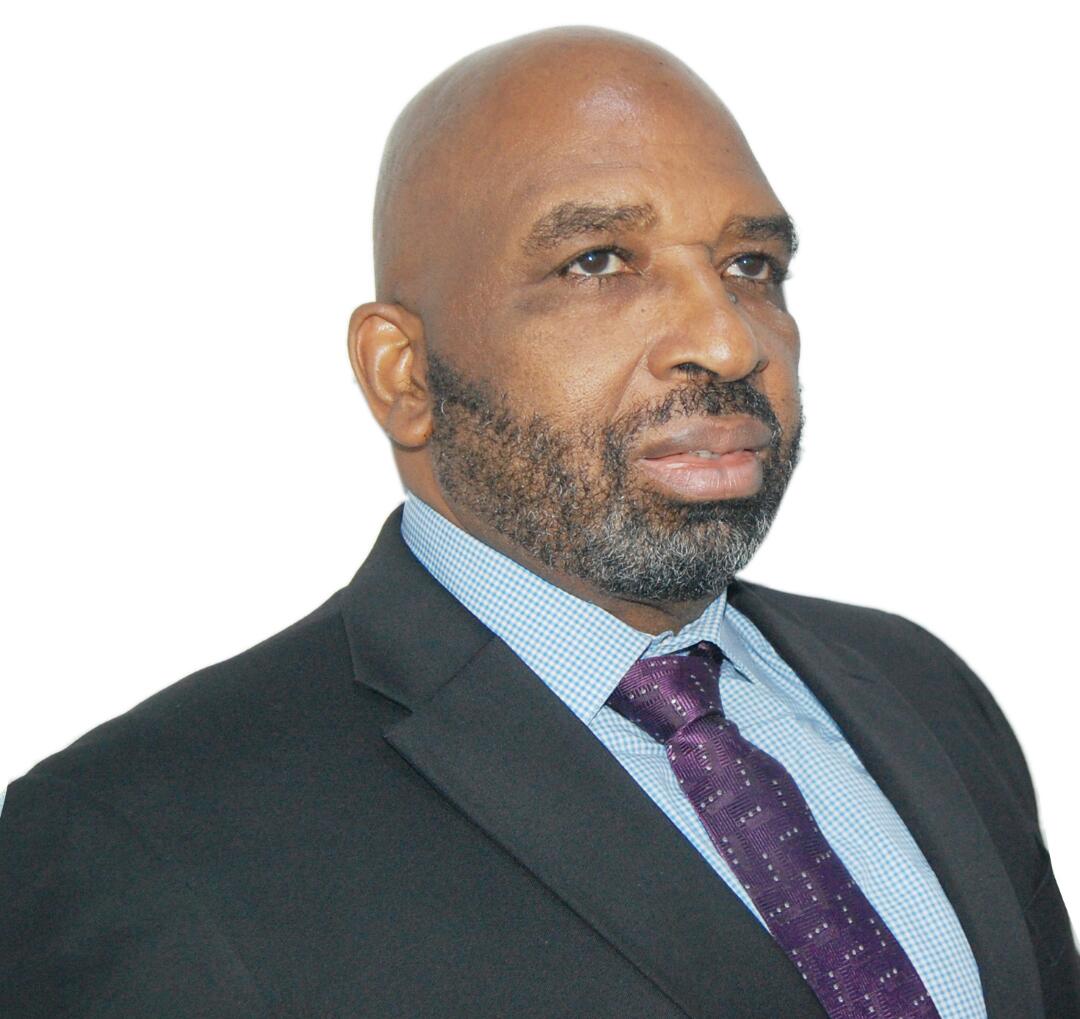
“Being issued a MAP permit by NERC is both a validation of our work and a catalyst for even greater impact,” said Chude Osiegbu, Founder and CEO of Venco. “Smart metering is about more than just technology. It’s about trust, transparency, and fairness. Our mission is to empower residents and property managers with real-time data to improve how energy is used, shared, and paid for.”

Bridging the gap
The company’s smart metering system is integrated into its broader estate management platform—an all-in-one solution for utility billing, visitor access, security, communication, payments, and facility maintenance.
This holistic approach offers significant value for residents and property managers alike. Through real-time monitoring and data visualisation, Venco addresses long-standing challenges in multi-tenant living environments, such as: unfair electricity charges due to shared meters; disputes over communal area consumption; inconsistent and manual billing processes and lack of visibility into energy usage patterns
With its MAP license, Venco plans to rapidly scale the rollout of smart prepaid electricity and water meters within estates and gated communities, delivering precision in billing, enhanced accountability, and tools for better resource management.
Supporting Nigeria’s Energy Goals
The need for accurate metering in Nigeria is pressing. According to NERC, 187,000 meters were deployed across the country in Q1 2025, 79 percent of which came through the MAP framework. Still, millions of households remain unmetered and continue to receive estimated bills, sparking regular consumer disputes.
The MAP scheme, launched in 2018, is NERC’s flagship initiative for enabling private sector investment in metering. By welcoming Venco into the program, the regulator is not only expanding the pool of certified providers but also inviting a new kind of player—one that blends technology and community engagement into energy infrastructure delivery.

For Venco, this is a natural progression. The company’s estate-focused model is well-suited to address a critical blind spot in the current metering ecosystem: high-density, multi-unit housing developments that suffer from shared metering arrangements and inadequate billing systems.
Scaling Across Borders
While Nigeria remains Venco’s largest market, the company’s ambitions are continent-wide. Already active in Kenya and Ghana, Venco’s platform supports day-to-day operations for thousands of residents across Africa. Its core technology goes beyond metering, enabling digital services such as online payments, visitor logs, and real-time incident reporting—key components for safer, more efficient community living.
The MAP permit strengthens Venco’s ability to scale in Nigeria while reinforcing its credibility in other markets. By creating modular, tech-enabled solutions that respond to local infrastructure challenges, the company is aiming to become a foundational service provider for Africa’s rapidly urbanizing population.
“Our vision goes far beyond meters,” Osiegbu added. “We’re building the digital foundation for how modern African communities live, work, and interact. Smart metering is a crucial entry point because it creates trust—when people know what they’re consuming and how much they’re paying, it builds confidence in the entire system.”