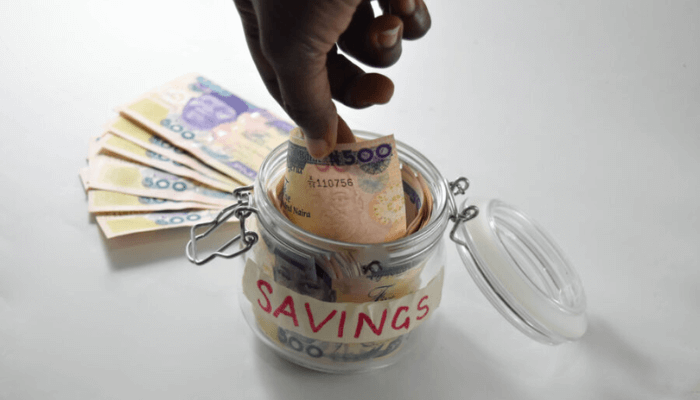
Rising costs of essentials such as food, transport, and services continue to challenge the budgets of many Nigerians.
Managing income effectively has become a priority for households looking to make their money go further each month.
Read also: The six easiest ways to lose money when saving
Here are eight practical budgeting hacks that can help individuals and families take control of their spending and meet savings targets.

1. Track every Naira
The first step to financial control is knowing exactly where money goes. Recording all expenses, no matter how small, helps create a clear picture of daily spending. A simple notebook or a budgeting app on a smartphone can be used to log every purchase. By tracking spending, it becomes easier to identify where adjustments can be made.
2. Set clear savings goals
Saving consistently requires planning. Decide on a specific amount to save each month and treat it as a fixed expense, just like rent or utility bills. These savings can go toward building an emergency fund, preparing for investments, or setting aside money for major purchases. A defined goal creates structure and helps maintain discipline.
Read also: 15 money-saving hacks for your business
3. Create a weekly budget
Breaking a monthly budget into weekly plans can make financial management easier. Weekly budgets help individuals monitor their spending on essentials such as food, transport, and household needs more closely. If there is overspending in one week, adjustments can be made in the following week to stay within the overall monthly plan.
4. Use mobile money tools
Many Nigerian banks and fintech companies provide features within mobile money apps that simplify budgeting. Users can set spending limits, receive alerts when they approach their limit, or automate savings transfers. These tools help users remain aware of their financial habits and encourage consistent savings.

5. Embrace cash envelopes
Cash envelopes offer a straightforward way to manage everyday expenses like groceries, transport, and small purchases. Cash is withdrawn and placed into separate envelopes for each spending category. When an envelope is empty, spending for that category must stop until the next budget cycle, helping to prevent overspending.
Read also: 7 skills every Nigerian child should learn before 18
6. Cut unnecessary expenses
Reviewing discretionary expenses each month can free up significant funds. Many households subscribe to multiple streaming services or eat out regularly. Reducing or cancelling non-essential expenses can make more money available for savings or essential needs.
7. Plan your meals
Meal planning reduces food costs and minimises unplanned purchases. Creating a weekly menu, shopping for ingredients ahead of time, and avoiding takeaways can lower household expenses. It also provides structure for managing food budgets more effectively.
8. Shop smart and bargain
Price comparison and negotiation remain key strategies for saving money. Whether buying goods in a local market or through online platforms, comparing prices and asking for discounts can lead to real savings. In Nigeria’s competitive markets, bargaining is often expected and can help stretch income further.