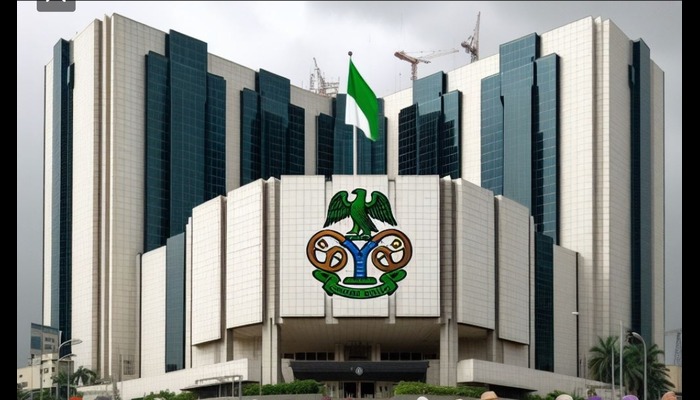
The Central Bank of Nigeria (CBN) has kept interest rates on hold for now, leaving investors asking questions on strategies to follow for risk balancing and returns in the short to medium term.
The Monetary Policy Committee (MPC) of the CBN last Tuesday voted to keep the benchmark policy rate unchanged at 27.5 percent, the third hold decision this year.
This means borrowing costs remain high, credit might be tighter, and the cost of capital for businesses remains elevated.
Read also: Inflation to drop further as CBN sustains investor confidence with rate hold
How did the market react?
The decision to keep the benchmark rate unchanged was widely anticipated, and market reactions reflected this consensus. The equity market rose by less than one percent following the announcement, indicating that investors were largely aligned with the outcome and found no surprises in the accompanying statement.
Rates in the fixed-income market continued to trend downward, as it had been since the beginning of the year. On Wednesday at the treasury bill primary auction, yields on all tenors fell, with one-year tenor dropping to 18.86 percent from 19.47 percent at the last auction.
Strategy to consider
As a result, analysts have suggested four strategies for investors.
Ayodeji Ebo, managing director, Optimus by Afrinvest, said: “To cushion the effect of falling rates, consider locking in funds you won’t need in the short term into long-term treasury bills (270–360 days), good-rated commercial papers (CPs), high-yield savings accounts (HYSA) – longer tenor.”
This strategy helps to shield returns from further rate compression and ensure more stable portfolio performance.
Ebo said that investors who took advantage of the 20 percent -21 percent interest rate in FGN bonds are sitting on the money now if they decide to sell. He said for those holding for the long term, the decline in rates will not affect them.
Returns on fixed-income mutual funds have declined gradually, given the lower interest rate environment. Many of the money market fund yields have since dropped to the 20 percent -21 percent region from 26 percent -29 percent band earlier in the year.
The decline in rates in the fixed income/money market space has been positive for the Nigerian stock market, as companies are able to access funds at lower rates.
Read also: Here’s what investors should consider as CBN holds rates
Similarly, commercial paper (CP) rates will also reduce, encouraging more companies to issue CPs.
Analysts at Meristem, in their 2025 half-year outlook, recommended a safe fixed income strategy for domestic investors to balance interest rate, liquidity, and default risks in a fixed income portfolio context, given their outlook on local fixed income market dynamics in 2025.
They suggested allocating up to 25 percent to Eurobonds for hedging against naira depreciation and inflation, while also proposing a similar allocation to FGN bonds and up to 20 percent to corporate bonds, both for their higher real rate of return.
To manage short-term liabilities and liquidity, some analysts urge investors to allocate up to 15 percent to CPs and treasury bills, both with a modest duration.
CSL Stockbrokers foresee a positive outlook on the equity market, saying that softening fixed income yields should drive increased interest in equities.