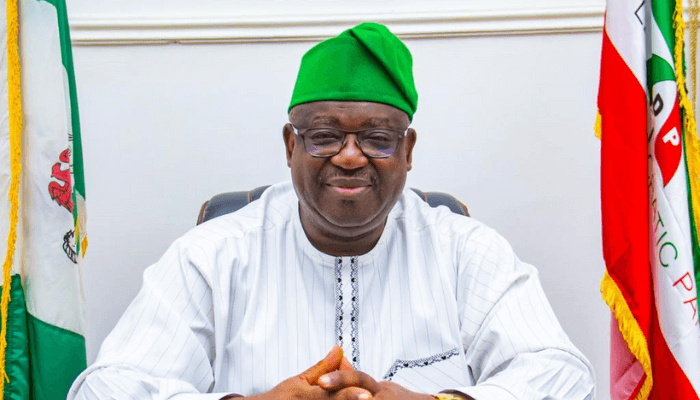
When Governor Caleb Manasseh Mutfwang assumed office in Plateau State, many expected change, but few foresaw the sweeping transformation taking place in the state’s transportation sector today.
The removal of fuel subsidy by President Bola Ahmed Tinubu’s administration under the Renewed Hope mantra caused widespread disruptions in the transportation landscape across Nigeria, hitting low-income citizens the hardest.
In Plateau, Governor Mutfwang chose action over lamentation. Refusing to let the burden overwhelm his people, he launched strategic interventions to ease the pain and restore mobility.
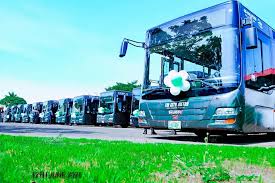
Among the most impactful was the swift introduction of the Metro Bus Service, a public transportation initiative designed to provide affordable mobility across the state.

With bus fares pegged at just ₦200, the Metro Bus Service quickly gained popularity among workers, students, traders, and small business owners navigating the tough economic climate.
“This is the best thing any government has done for us in a long time. I used to spend ₦1,200 daily on transportation. Now it’s ₦400″; said Justin Davou, a trader in Jos.
Initially, the buses were 15, but in response to overwhelming demand, the Mutfwang-led administration injected 15 additional buses into the system, totalling 30, which are expanding routes and ensuring wider accessibility to underserved communities.
These buses now crisscross all routes in the Jos metropolis and its environs linking critical economic zones and bringing much-needed relief to families burdened by high transportation costs.

The rejuvenation of the Plateau Express Service, the state’s legacy transportation brand, further reinforced the governor’s commitment to holistic mobility.
With additional vehicles deployed under the Express Service, inter-local government and inter-state travels became more reliable and comfortable for Plateau residents.
The service, now patronized more than ever before, has reportedly helped individuals save up to ₦40,000 monthly, a significant sum in today’s challenging economy.
But Governor Mutfwang was not content with success on the roads alone. He turned to the rails, a visionary step not seen in the state in decades.
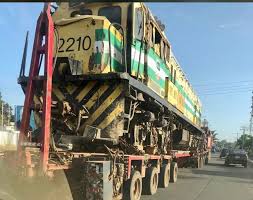
Just last week, Plateau State flagged off the Jos-Bukuru Rail Shuttle, a landmark project and the crown jewel in the governor’s growing transport revolution.
Running at a flat rate of ₦200 per trip, the shuttle service has captured the imagination of citizens, many of whom experienced a train ride for the first time. The train offers a clean, efficient, and safe alternative to the road, gliding smoothly between Jos and Bukuru without traffic delays or fuel-related setbacks.
With fuel prices on the rise, the rail shuttle is already alleviating financial stress. For some families, it has cut daily commuting costs by as much as 70 percent. For professionals and students, the biggest gain is time. The shuttle runs on schedule, a luxury rare in most Nigerian transport systems.
“I arrive work earlier and less stressed. Before, I spent over an hour in traffic. Now, it’s 15 minutes of peace”; said Musa Dachung, a civil servant.
The social impact is equally profound. The train has strengthened ties between Jos and Bukuru, bridging communities and promoting greater integration. Commuters now engage more freely in inter-community commerce, social visits, and daily routines without anxiety or logistical strain.
Environmental advocates have also lauded the initiative, noting its potential to significantly reduce road traffic and vehicle emissions within the urban corridor. “This is smart governance. Rail is the future, and Plateau is leading the way”; said Gloria Mang, an Environmental Scientists in Jos.
Tourism is another sector poised to benefit. With the train line operational, access to tourist attractions in and around Jos has never been easier or more scenic. The administration is already considering extending the rail to key tourism hotspots, which could open up Plateau to greater domestic and international visitation.
Governor Mutfwang’s focus on sustainable transportation is not just about movement, it’s about dignity, access, and inclusion for every citizen. His initiatives have reinvigorated trust in governance and rekindled a sense of pride and ownership among Plateau residents.
The transport reforms have also inspired other sectors, with ripple effects seen in education, commerce, and productivity, as people now move faster and spend less. For many, the transport overhaul is proof that visionary leadership can deliver real-time solutions, even in a constrained economic environment.
Governor Mutfwang has demonstrated that progress doesn’t always come from massive infrastructure alone, it can also come from thoughtful, people-centered innovations. And as Plateau’s buses and trains continue to move the people, they are also moving the state toward a more connected, inclusive, and hopeful future.