|
Getting your Trinity Audio player ready...
|
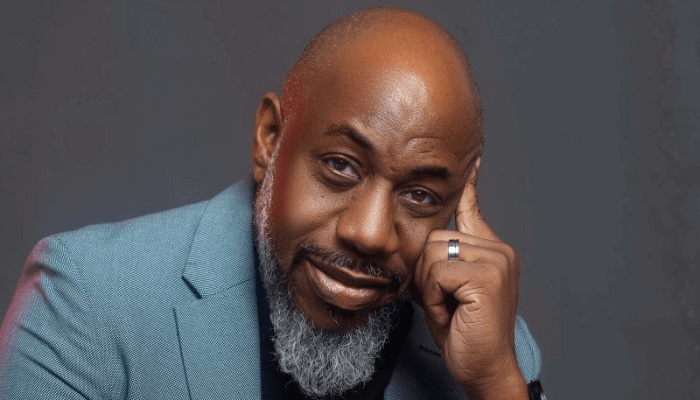
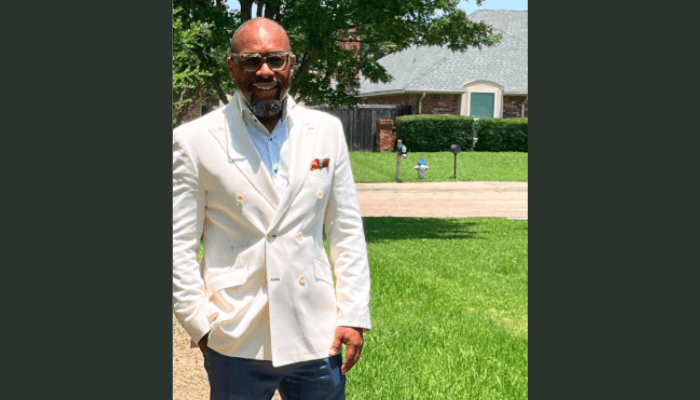
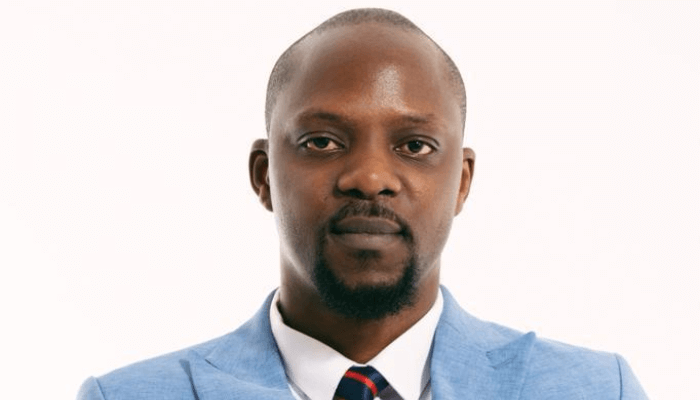
Akinyemi Ayinoluwa is a partner at HighTower Solicitors and one of Billboard’s Top Music Lawyers of 2025. A former recording artist and frontman of the 100 Degrees boy band, he brings a rare insider’s edge to his legal work, representing Afrobeats’ top producers, artists, and music investors with unmatched precision. His early legal training at Wemimo Ogunde & Co. and Awokoya & Co. shaped his deep expertise in music law, estate planning, and commercial transactions. Beyond legal counsel, Akinyemi acts as a strategic adviser, championing intellectual property rights and building frameworks to protect creative livelihoods. He’s also the founder of Africa’s largest songwriting competition and creator of the Secure the Bag Program, bold initiatives driving education, empowerment, and equity across the continent’s creative industries In this engaging interview with KENNETH ATHEKAME, he spoke on the urgent legal reforms needed to unlock the next phase of growth in Nigeria’s booming music industry. He also broke down the common misconceptions Nigerian music creators still have about copyright and publishing and how he’s leading the charge to change that through bold advocacy, education, and strategic legal innovation. Excerpts:
Your early years were deeply embedded in the Nigerian music scene as a performer and songwriter. How did those formative experiences shape your approach to music law?
Well, to be honest, when I got qualified as a lawyer at the age of 24, at the time, I thought, man, I could no longer pursue music. I was feeling like, oh, I’d given it, like, six years of my life, and I didn’t make it, so it’s better. I look for something different. You know, there’s always that crisis that you know, you face as a creative person, you are thinking, are you spending your life properly? Or are you wasting your time? You know, those existential questions come to you as creative, especially when you are not impressed with the progress. So, I think that was what kind of, like, informed my transitioning from being a singer, songwriter, performing artist to being a lawyer who is able to champion creatives. So, I’m like, okay, now I’m a lawyer. Let me still try to exist in this world. Let me, you know, serve the music industry.
And I’m happy that I did that. And you know, my love for music and my love for law practice has definitely given me a special point of view on how to, you know, navigate the music industry and how to be a part of the journey of many many people. And also that’s given me an advantage over my peers, yeah. So, I’m really, really excited that I was able to, you know, go deep into being a musician. And then now that I’m a lawyer, it all makes sense.

What motivated your transition from creative practice to legal advocacy, and how has your dual background influenced your perspective on the industry?
Well, I think, the blind spot for many is that they do not think long term. A lot of people are very short-sighted in their planning. They only want to get what they can immediately. That’s why people sign deals that might not be, very, very beneficial to them in the long term. For example, many musicians or recording artists operate from a scarcity mindset.
They think that, oh, I’m desperate for this opportunity. This opportunity must not pass me by. Let me grab it at all costs. And trust me, no matter how good your lawyer is, if you are operating from a scarcity mindset and you think that, oh, you don’t have enough time to build your leverage. Sometimes you might, you know, get blind and get, introduced out of desperation, and you’ll be shocked that this might be a blind spot that you’d experience years down the
As someone who has lived both sides of the music business, what blind spots do you think most lawyers or artists tend to have?
One of the clauses that I always run into is when people want to get you know half of the publishing interest of a producer at a very insignificant cost. I remember in 2019 one of my producers had like two of the biggest records in Nigeria and at the time we got an offer for 50,000 USD and I told my producer that we can’t do this deal because we can’t trust this person to elevate your career. Many people will just sign off the interest in the catalogue and you’ll still be the one doing the heavy lifting.

So, I told him that hey let us continue to build this catalogue and I’m happy he listened because since we got that offer my client has made multiples and multiples of the 50,000 dollars I was dangling in his front in 2019. So I think this is a common pitfall people want to know jump at the check without doing proper analysis and forecast into what 5, 10, 20 years might look like in their career or in the future.
You’ve represented some of the biggest producers in Afrobeats. What are the most common legal pitfalls you see in their contracts or business dealings?
So, there’s been some remarkable developments when it comes to legislations that regulate the music industry in Nigeria. Recently, with respect to the collecting society, some clarity was given with regulations championed by the copyright society, by the copyright, Nigerian copyright commission. Also, there’s been an upgrade of the copyright law to be able to provide more regulation of how copyright is being exploited and administered and enforced in Nigeria.
So, those are very, very laudable reforms. I think one thing that I think I would like to see is possibly a specialized court that takes care of the creative industry in Nigeria. So this creative industry specialized courts would oversee all legal matters filed in the courts of law in Nigeria.
So, and also the judges that will be heading these courts would have a deep understanding of the creative industry, particularly the film and the music business. That’s something I’d love to see.
In your view, what are the most urgent legal reforms needed to support the Nigerian music industry’s continued growth?
Thank you for the question. Well, I still do majorly a lot of legal work, advisory work as a lawyer. But the more I knew about the business, the more I’m able to be more useful to my clients beyond just handling their legal affairs.
Now I’m able to coordinate their business development, help them find more opportunities to make more money. And that is something that I’m able to do with as I get more years of experience in the business
How has your role evolved from being just a legal counsel to acting as a strategic advisor for talent?
Many, many, many Nigerian creators. Or should I say singer songwriters want to be in front of the camera performing. And also they want to be famous and they want to be the main character as the superstar in the room, shutting down all the shows. That is how many, many people appreciate being in the music industry. Everybody wants to be the star that people pay to come and watch. But people should understand that there’s an idea called copyright, which is when you create something original just once, what you’ve created as a life of its own, and you command or authorize or permit how what you’ve created can be commercially exploited. For example, when you create music, there are inherent ownership rights attached to what you’ve created And what the principle of copyright is saying is that because you created it and it is original to you, you will be the one to decide how money is made from what you’ve created. Many, many creators do not understand that concept. And also with publishing. Publishing deals with the interests that you know. It deals with the exploitation of the copyright in songs. That’s what publishing is. And of course, a lot of creators who have not spent their time to educate themselves or the ecosystem or the value chain of music might not understand that. So myself, in the last 13 years with my advocacy work, I have organized seminars, webinars. I’ve even produced educational materials and courses just to teach producers and songwriters and recording artists just to be able to, you know, read people of their ignorance and get them enlightened. I’m happy that, you know, our efforts are starting to pay off.
What does the average Nigerian music creator still do not understand about copyright and publishing, and how are you helping to change that?
Thank you so much. With the competition, we just want to amplify the importance of songwriting and also amplify the importance of collaboration. The contest, the roughest idea of the contest started during the lockdown. There was so much going on online, and we just thought that, well, people have time now. Let’s try to engage the community of producers and songwriters. And that’s how we started the. Songwriting competition in 2020. And I’m happy that, you know, we’ve had six editions. And the central reasons for doing the contest is, number one, to amplify the importance of songwriting. Number two, to show people that it is important to collaborate. The present format of the show is that a singer songwriter must collaborate with the producer to create original music and submit sin. So that tells you that as a producer, for you to have a career, you probably need to lean on a brilliant singer songwriter. And he tells the songwriter the same thing. Vice versa. That okay. Singer songwriter. You need the producer to bring out the best in you. So that is where we had with the songwriting contest, and I’m happy to, you know, announce that we will be. This year’s edition would extend beyond Nigeria and Ghana and now will be taking place in Tanzania and South Africa.
You founded the largest songwriting competition in Nigeria and Ghana. What gap were you hoping to fill, and how is it already changing the creative landscape?
Yeah. The Secure the Bag programme was a series of webinars, an educational initiative just set up to educate our, you know singer songwriters and recording artists just to teach them how to monetize their creativity. And, you know, a lot of people do not have it figured out how to navigate the music industry. And this was a vehicle to pass information. I’m I’m happy that it has helped many people understand the business of being a record producer or being a songwriter or being a recording artist.
Can you tell us more about your ‘Secure the Bag’ program how did it come about, and what impact has it had so far?
I do not think the use of exploitation is always a bad word. I think sometimes exploitation could just mean monetization. But I think what you might want to say is that an exploitation that doesn’t grant advantage to the talent. I think education is very important. We need more lawyers who understand the music business to come protect the interests of creators and other professionals and other and investors and other participants in the music industry. We need knowledgeable lawyers who understand the business and understand how the law works. To come work in the music industry.
What role do you believe structured, accessible legal education can play in curbing exploitation in the music industry?
I think it’s getting better. You know, through the power of technology. Tiktok, Instagram, YouTube. I think the information is more out there readily available to creators. So I do not think there’s any excuse to not even understand the business anymore. So I think there is an awareness of intellectual property among music professionals in Nigeria.
How do you assess the state of intellectual property awareness among Nigerian music professionals today?
That I believe that those operating at the highest level always have legal advice to guide them every step of the way. If you do not have a lawyer representing you and you’re playing at the highest level, then it’s your decision to maybe cut shortchange yourself. Or maybe you you you are not being wise. So I think Nigerian creatives are well equipped. And, you know, with the access to professionals, to lawyers, only those who do not value their craft will probably play at the international stage without lawyers.
Given the global rise of Afrobeats, are Nigerian creatives adequately equipped to protect their rights on the international stage?
I believe, with our understanding of the business. And are leaning on, you know, there are many, many lawyers at the firm that are, you know, up to date on the best business practices and how it benefits our clients, especially where they stand in their career. We do our best to make informed decisions based on looking at the risks and benefits for whatever decisions you decide to make.
With Nigeria’s creative sector rapidly evolving, what structural changes do you think are necessary to professionalise and scale the industry?
Government-backed tax breaks and grants to incentivize local and international investment in the creative economy. Also, we need more Nigerian business to invest in the Nigerian creative industry.
Do you think the government has a clear role to play in supporting intellectual property rights in the creative space?
Empowering agencies like the NCC will help with enforcement of rights. Supporting collective management organizations (CMOs) by enforcing compliance and transparency will also be beneficial.
Public Education: Driving national campaigns to educate the public and even the creative community on the value of IP rights will cause astronomical progress.
Looking ahead, what’s your long-term vision for the creative economy in Nigeria and how do you see yourself contributing to that future?
My vision is to help build a structured, sustainable, and globally competitive ecosystem where Nigerian and African creative talent can prosper on fair terms. My work as a lawyer and advocate for songwriters and record producers, bears witness to this.