…empowers 221,000 farmers, 3,621 SMEs
The Toward Sustainable Clusters in Agribusiness through Learning in Entrepreneurship (2SCALE), a private-public initiative, has spent €65 million in 13 years to drive inclusive agribusiness growth in Africa’s most populous country.
The programme has also empowered 221,000 farmers and 3,621 small and medium enterprises in the country’s agricultural landscape through the two phases of intervention in the sector.
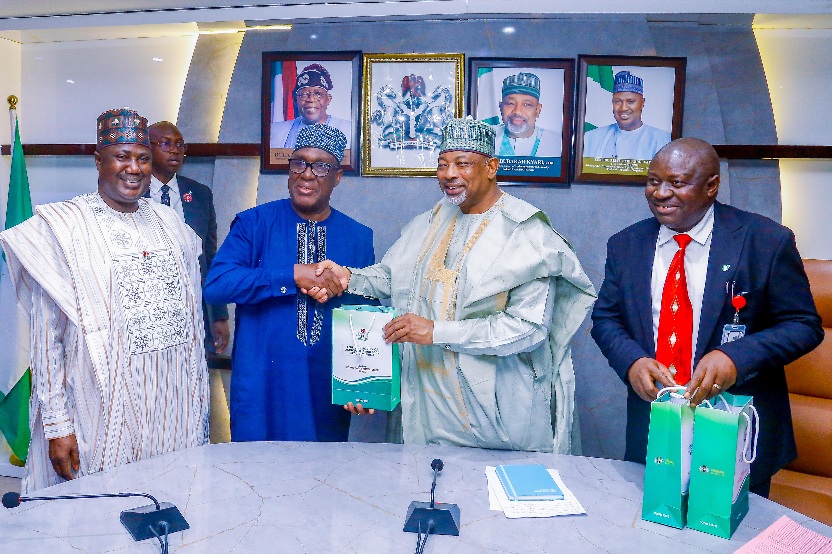
Olisa Maxwell, country team lead, 2SCALE, who disclosed this at a recent 2SCALE–Dutch Consulate media engagement forum in Lagos, said the programme, which is winding up this year, is the largest inclusive agribusiness incubator in the country.

According to him, from 2012 to 2018, the programme reached 88,000 smallholder farmers, including 34 percent women, and 621 small businesses, including 18 percent women, in Nigeria.
“We use about 10 partnerships with different actors to achieve this,” he said. “The private sector co-investment in the first phase was about €7 million,” he added.
In the second phase, he said 133,000 smallholder farmers were reached and 3,000 small businesses were empowered.
“Jobs were also created for young people in farm jobs in this case, at the factories of the business champions, as extension service providers, as aggregators, and others.”
“The value of private sector contribution in the second phase was about €35 million.”

He said the initiative also helped boost locally sourced milk from one million litres annually in 2012 to over four million litres in 2022.
Marina Diboma, programme director, 2SCALE, said that the programme has made significant strides in promoting inclusive agribusiness in the 13 years of intervention.
“We have worked tirelessly to empower various actors along agricultural value chains, foster partnerships, and create market opportunities that drive economic growth and social impact,” Diboma said.
“Today, we will hear inspiring stories from the field, including some from here in Nigeria, highlighting the transformative impact of our interventions,” she noted.
“These stories are a testament to the power of public-private partnerships and collaboration,” she emphasised.
She listed climate change, political instability, insecurity, COVID-19, supply chain disruptions due to the Russia-Ukraine war, and market access issues as some of the major challenges the intervention programme faced in the period.
The programme director noted that despite the challenges, “everyone stayed committed to feeding the local communities in their countries.”
She explained that the challenges provided them with invaluable lessons that strengthened and improved their intervention strategies.
“As a program, we had to adapt to new realities and refine how we collaborate on the ground. This is the reality we face to ensure that millions of people have access to nutritious and affordable food products.”
“These experiences underscore the importance of resilience and innovation in promoting food security.”
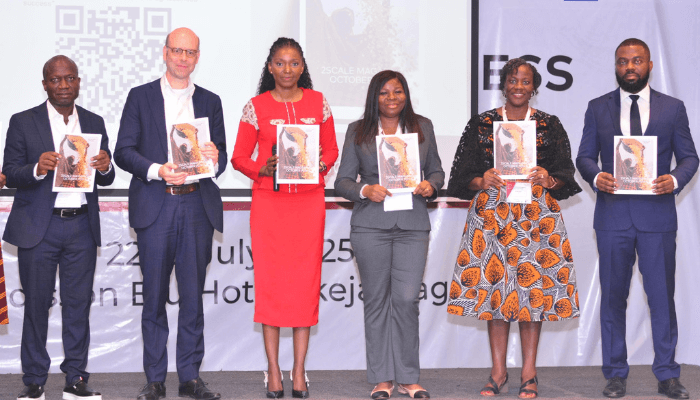
She also unveiled the 2SCALE Interactive Magazine, a digital documentation of the programme’s impact, and premiered the powerful new documentary, “Food Soldiers: Promoting Food Security in Africa.”
Also speaking, Michel Deleen, Consul General of the Kingdom of the Netherlands in Lagos, said inclusive agribusiness can only thrive through sustained public-private dialogue.
Deleen outlined the next steps for deepening impact, including knowledge-sharing across seven countries, embedding strategic technical support, and investing in agribusiness clubs as drivers of resilient food systems.
With the programme in its final year, 2SCALE and other agribusiness stakeholders are focused on ensuring the
continuity of its model to ensure its impact lives on a daily basis.