There are forums where people come to listen. There are forums where people come to be seen. And then there is the BusinessDay CEO Forum, where Nigeria’s most seasoned capital allocators, boldest entrepreneurs, and most pragmatic public servants gather to trade illusions for reality.
The 13th edition, held on 10th July 2025, did not disappoint. If anything, it framed a single, hard-edged truth: this country’s long road to a $1 trillion economy is neither myth nor inevitability; it is a blueprint, hidden in plain sight, waiting for leaders who can turn ambition into action.
A Northern Overture: Jigawa’s Quiet but Firm Handshake
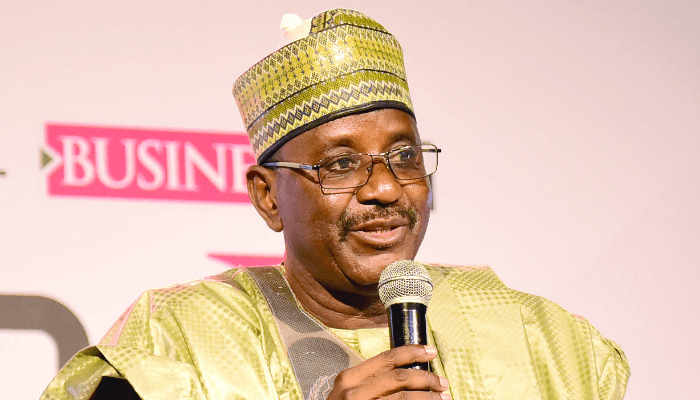
When Aminu Usman Gumel, deputy governor of Jigawa State, rose to speak on behalf of His Excellency Umar Namadi, governor of Jigawa State, he did not bring a carnival of slogans. He brought the calm, serious confidence of a region staking its future on two timeless assets: credibility and clarity.

A 12-Point Compass for Private Enterprise
At the heart of Jigawa’s pitch is the simplest economic gospel: only private capital can scale growth at the pace Nigeria demands. The state’s 12-Point Greater Jigawa Agenda is explicit: the government’s role is to smooth the tarmac, not own the vehicles. It must dismantle the hurdles, licensing bottlenecks, opaque land registries, fickle policy shifts, and then get out of the way.
Ease of Doing Business: Not a Ranking, a Ritual
Jigawa’s second-place ranking on Nigeria’s Ease of Doing Business index is not a statistic for press releases; it is a ritual of daily discipline. Executive orders are enforced. Land access is streamlined. Dispute resolution is swift. InvestJigawa, the state’s investment promotion desk, is not an ornamental agency but a living concierge for capital, ensuring that promises do not vanish once ribbon cuttings are done.
Turning Crops into Currencies

In the fields of Jigawa, wheat and hibiscus bloom, but the message is clear: mere bulk exports are not enough. The state is done subsidising the prosperity of faraway processors. The next frontier is value addition: agro-industrial parks, food packaging clusters, integrated supply chains. Each tonne processed locally is a job kept at home, a dollar earned twice.
Minerals, Borders, and Industrial Scale
Below the soil, granite, silica, and precious stones wait. Beside the border, a new export zone looks north toward the Niger Republic and beyond. Jigawa’s ambition is to connect this buried wealth to global buyers through modern industrial parks and secure trade corridors. For forward-looking manufacturers, this is a supply chain and a market rolled into one.

Modernised Hectares, Climate-Smart Returns
Jigawa’s green agenda is not just about planting more; it is about planting better. Mechanisation, precision irrigation, soil health, post-harvest preservation, climate resilience, these are not buzzwords but hedges against the shocks that make African agriculture so volatile. The goal: lift yields, anchor jobs, and stabilise forex earnings at the source.
When Gumel concluded, his tone was unflinching: “We are not asking for charity. We are inviting capital that wants security, scale, and returns.”
The Real Verdict: CEOs and Citizens, Unfiltered
If the room needed a reality check, the Slido poll delivered it, raw, unscripted.
What will unlock growth in the next 24 months?
Hard answers only: more credible foreign exchange (FX) reforms to steady the naira. Infrastructure, roads, grids, ports, that move goods, not just PowerPoints. Security that assures families and factories alike. Incentives that match risk with reward.
Notably, fiscal discipline alone ranked low. The message? Stop cutting the cake thinner, grow the bakery.
And yet, optimism pulsed through the data: cautious inflows are returning. The naira has defied doomsday forecasts. Market sentiment is inching from despair to diligence.
The Final Test: Five Lenses on Real Recovery
The day’s last panel, Driving Recovery Across Key Sectors, brought together operators who do not theorise from podiums; they wrestle with Nigeria’s real constraints in real time.
Housing: Blueprint Before Brick
Gboyega Fatimilehin, co-founder of Diya, Fatimilehin & Co, laid it bare: A trillion-naira mortgage fund sounds visionary, but without titled land, enforced masterplans, and disciplined urban design, we will simply finance new slums. Sustainable cities start with zoning that works, building codes that bite, and developers who see homes as communities, not quick cash.
Non-Interest Finance: Beyond Labels
Hamid Joda, Founder of TAJBank Limited, dismantled a persistent myth: non-interest finance is not a religious instrument; it is an inclusive engine for long-term capital. Sukuk bonds ring-fence funds for what they promise: a hospital must be a hospital. A road must be a road. No siphoning, no drift. For investors who crave certainty, this discipline is priceless.
Energy: Molecules Must Move
Olakunle Williams, CEO of Tetracore, did not sugar-coat the stakes: Nigeria’s gas bounty is worthless if stuck underground. Pipelines must have right-of-way certainty. Local grids must be modernised. Pricing must reflect real market signals, not political calendars. Only then can gas feed power, renewables complement fossil, and new capital arrive at scale.
Exports & Local Content: Yarub’s Playbook of Staying Power
When Yarub al-Bahrani, managing director for Nigeria, West & Central Africa at British American Tobacco, leaned in, the room leaned forward. In an economy rattled by foreign exchange (FX) volatility, his message was unvarnished: local roots are the best hedge against global storms.
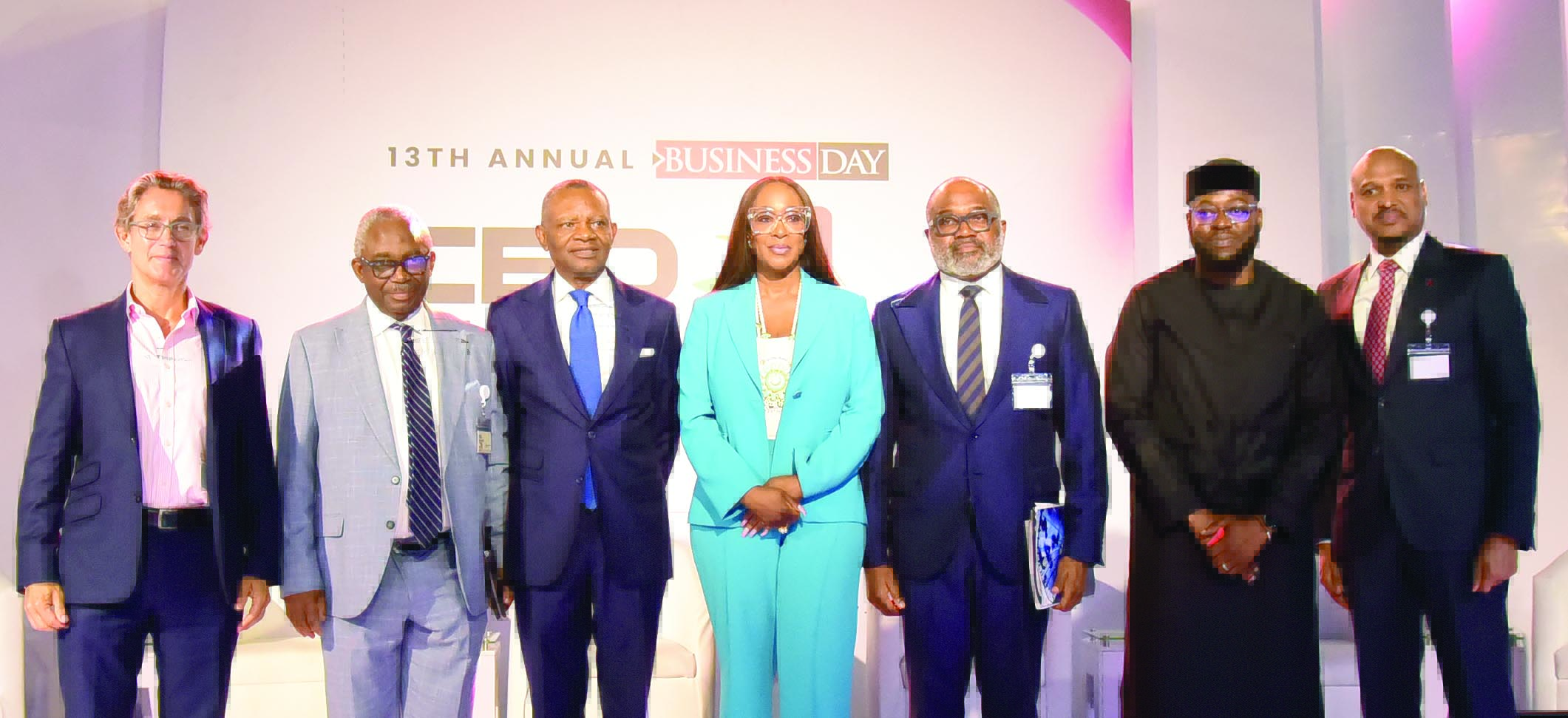
Yarub unpacked how BAT has built resilience in a tough market:
Exports are oxygen. By consistently expanding its export footprint, beyond Nigeria’s borders into West Africa, BAT earns hard currency that cushions naira shocks.
Local sourcing is insurance. The company has pivoted to buying more raw materials locally, nurturing backwards integration that supports smallholder farmers and local suppliers, shrinking import bills and shielding operations from sudden FX spikes.
Energy diversification is smart survival. Yarub detailed how the company has moved decisively into compressed natural gas (CNG) and solar, slashing dependence on diesel and insulating margins from fuel price spikes.
Partnership is the glue. Instead of operating as an island, BAT knits local contractors, state governments, energy providers, and even rural communities into its value chain. Jobs multiply, trust deepens, and consumers stay loyal.
Talent is the final hedge. Even the best supply chain fails if people flee. Yarub emphasised that building local capacity, rewarding talent fairly, and giving young Nigerians real pathways for growth are the ultimate stabilisers.
His final insight lingered: “Nigeria is not for the faint-hearted, but if you diversify your revenue, export what you can, source what you must locally, and reinvest in your people, this market will reward you. The long game pays.”
Law & Governance: The Silent Infrastructure
Chike Obianwu, deputy managing partner, Templars, closed with the legal truth: In Nigeria, law is not just statute, it is a survival strategy. Companies that future-proof contracts for FX swings, tax shifts, and sudden levies do not just manage risk; they stay alive. Smart operators do not react to policy; they help shape it, collectively.
One Red Thread: Audacity, Not Apathy
From housing to hydrocarbons, cross-border wheat to Islamic bonds, every leader on stage sang the same refrain in a different key: Nigeria’s true advantage is not its minerals, not its market size, it is its builders’ defiance of the odds.
✅ Clear rules that survive political cycles.
✅ Private capital that prizes patient returns.
✅ Supply chains rooted locally, hedged globally.
✅ ESG not as public relations but as passport to credible funding.
✅ And, above all, a generation of young, skilled Nigerians who see a future worth staying for.
Curtain Call – And a Quiet Provocation
As the lights dimmed, the final standing ovation felt earned, but unromantic. The cameras clicked, the business cards shuffled, and the group photos arranged. But in every handshake lingered the same unspoken reminder:
A $1 trillion gross domestic product (GDP) is not a headline; it is a test. The test is not tomorrow, it is today. And the pass mark is simple: promises delivered, policy enforced, proof produced.
To every CEO, policymaker, and entrepreneur who stayed till the final word, the real forum begins now, in the corridors, the boardrooms, the farms, the factory floors.
Next year’s edition will not judge your words. It will measure your receipts.
Build. Prove. Repeat. See you at the 14th edition in 2026.