The World Health Organisation on Tuesday issued an urgent call for action to prevent a repeat of an epidemic of the mosquito-borne chikungunya virus, as infections spread to more countries.
The global health body, expressed concern that virus is now spreading to African countries such as Madagascar, Somalia and Kenya, and has shown epidemic transmission in Southeast Asia, including India.
Speaking at a press briefing in Geneva, Diana Alvarez, a medical officer at the WHO, warned that an estimated 5.6 billion people in 119 countries now live in areas at risk of the virus, which is known to cause high fever, severe joint pain, and, in some cases, long-term disability.
“We are seeing history repeating itself,” she said, drawing parallels to the 2004-2005 epidemic, which affected nearly half a million people, primarily in small island territories, before spreading around the world.

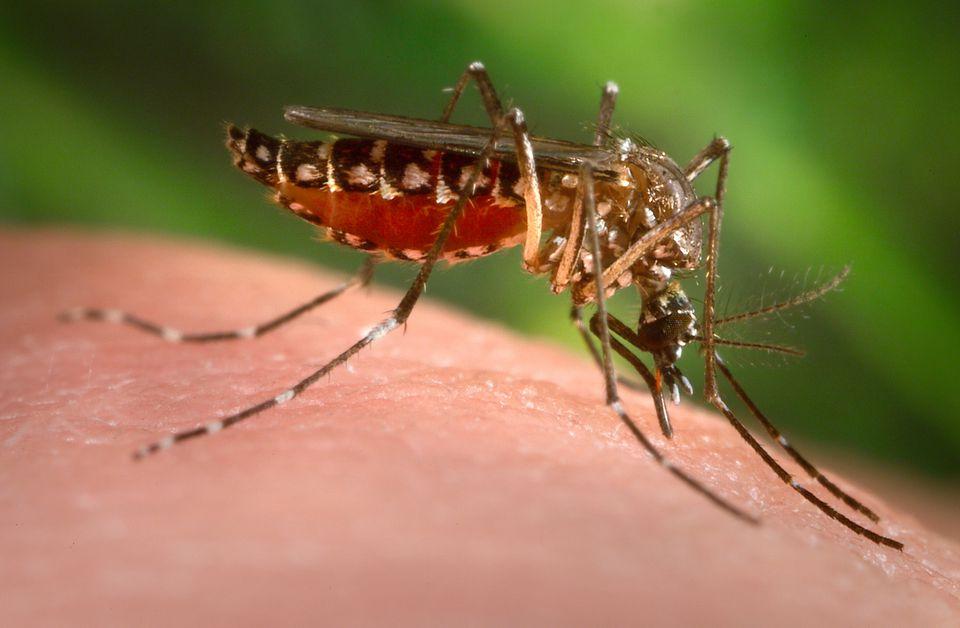
Chikungunya, for which there is no specific treatment and which is spread primarily by Aedes mosquito species, including the “tiger mosquito” which also transmits dengue, and Zika, can cause rapid and large outbreaks. As the mosquitoes bite in the daytime, experts note prevention is key, through the use of insect repellent and long-sleeved clothing.
The current surge began in early 2025, with major outbreaks in the same Indian Ocean islands which were previously hit, including La Reunion, Mayotte and Mauritius. Alvarez said an estimated one-third of La Reunion’s population has already been infected,
Read also: 10 houseplants that help keep mosquitoes away
The WHO said it was particularly concerning is the increasing number of imported cases and recent local transmission within Europe.
Alvarez, further said that there have been approximately 800 imported chikungunya cases in continental France since May 1, while twelve local transmission episodes have been detected in several southern French regions, meaning individuals were infected by local mosquitoes without having travelled to endemic areas.

Read also: Nigeria: Lessons from Djibouti’s ‘friendly mosquito’ approach to knockout malaria
The WHO officer also informed that a case was also detected last week in Italy.