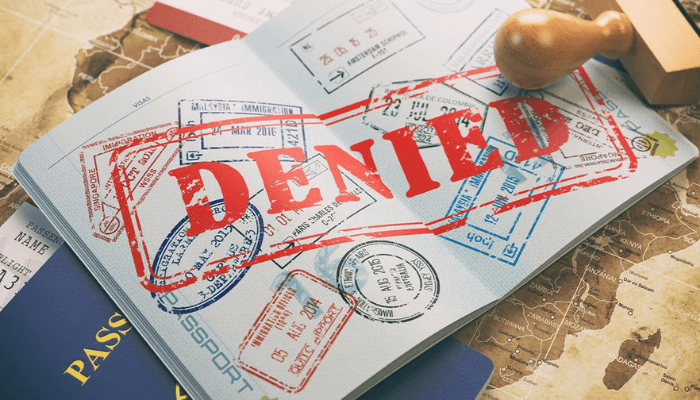
Sarah had spent months preparing for her big move. She had her documents in order, triple-checked her bank statements, and even rehearsed her visa interview answers. But when the email finally came, her heart sank, her visa had been denied.
If you have ever been in Sarah’s shoes, you know how frustrating and discouraging a visa rejection can be. But here’s the good news, a denial is not the end of the road. Many people face visa setbacks before finally getting approved. The key is knowing what to do next.
So, if your visa gets denied, don’t panic. Here are six steps to turn things around and improve your chances of success.
Understand the reason for rejection

- Visa refusals are not random, there is always a reason behind them. Common reasons include:
- Incomplete documentation – Missing or incorrect paperwork can lead to automatic rejection.
- Insufficient funds – If the authorities doubt your financial stability, they may refuse your application.
- Weak ties to your home country – If they suspect you might not return, your visa could be denied.
- Inconsistent or misleading information – Even small discrepancies can raise red flags
Carefully review the rejection letter and make sure you understand the exact reason before taking any action.
Read also: Namibia removes US, UK, others from visa free list
Appeal if possible
Some visa types allow you to appeal the decision. This usually involves submitting additional documents or clarifications. However, not all countries offer an appeal process, so check the visa guidelines for your destination. If you can appeal, ensure you address the specific reason for rejection and provide strong supporting evidence.
Reapply with a stronger case

If an appeal is not an option, you may need to submit a new application. Before doing so:
- Correct any mistakes from your initial application.
- Provide additional evidence to strengthen your case (e.g., more financial proof, a stronger letter of intent).
- Seek professional guidance if needed.
Seek expert advice
If you are unsure why your visa was denied or how to improve your application, consider consulting an immigration lawyer or visa consultant. They can help identify weak points in your application and offer tailored solutions.
Explore alternative visa types
If your visa is repeatedly denied, you might want to consider other visa categories that better suit your situation. For example, if your work visa was refused, you may explore sponsorship options from employers.
Give it some time
Sometimes, waiting a while before reapplying can increase your chances. If your rejection was due to financial reasons, for example, taking a few months to improve your bank statements or build stronger home ties can make a difference.