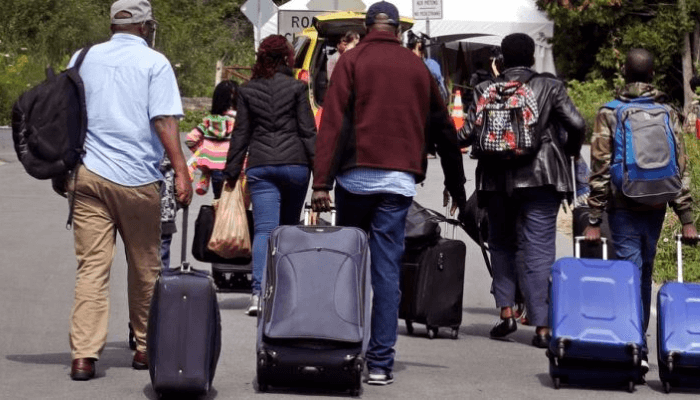
The dream of relocating abroad, popularly called “Japa”, has taken hold of many Nigerians. With economic uncertainties and a desire for better opportunities, countless individuals have packed their bags in search of greener pastures.
But while the dream of moving abroad is exciting, the reality can be quite different. Settling into a new country often comes with struggles that no one warns you about.
If you are planning to Japa, here are five funny yet frustrating struggles Nigerians face abroad.
The immigration law

Back in Nigeria, people often assume “settling in” is as easy as getting a plane ticket. But abroad, immigration laws are no joke. There’s no room for “Oga, abeg” or “just manage am like that.” Your visa and work permits must always be up to date, and breaking any immigration rule can lead to deportation. Some newcomers even fall victim to scams promising “shortcut” papers—only to lose money and face legal trouble.
Read also: Japa: What to know about Canada’s eTA for 2025
Cultural shock
You step off the plane expecting warm greetings from neighbours, only to realise that no one really cares that you exist. In Nigeria, moving into a new home often means neighbours stopping by with smiles and small talk. But in many Western countries, people mind their business, sometimes for years. If you want a sense of community, you’ll have to make the effort to introduce yourself first.
Cost of living reality

One of the biggest Japa shocks is realising that your rent abroad could pay for a 3-bedroom flat in Nigeria. Groceries, transport, and even basic services cost far more than expected. Some Nigerians move abroad only to find themselves working multiple jobs just to survive. That’s why many Africans abroad rarely tell the full story when relatives ask, “Send me small money.”
The food struggles
While there are some markets that sell African food items, it still lacks the authenticity of a proper Nigerian meal. Ingredients tend to be very expensive, difficult to find, or simply not taste the same. Unless you are lucky enough to live near a Nigerian restaurant and can afford them, you might have to learn how to make do with the meals available.
Coping with extreme weather
Adjusting to the weather, especially the cold, can be quite challenging. Many Nigerians are used to the warm tropical climate, so experiencing harsh winters with freezing temperatures, snow, and shorter daylight hours can be overwhelming.