So far, the stories and images coming out of Iran are unsettling, not only for what they reveal about that country’s internal crisis but also for what they signal about the new realities of global power politics. Streets filled with angry protesters, a collapsing currency, internet shutdowns, and the United States openly threatening intervention have combined to place Iran at one of the most dangerous stages in its modern history. For Nigeria, watching from afar while the US increasingly signals interest in African geopolitics, the lesson is clear: prolonged domestic distress can invite foreign pressure, and sometimes far worse.
Iran’s current wave of anti-government protests did not emerge from ideology alone. They are rooted in economic pain; years of sanctions, compounded by mismanagement and corruption, have combined to devastate living standards. Inflation has wiped out savings, and unemployment has deepened pains, particularly among young people. When the Iranian currency crashed dramatically late in December, it became the final trigger.
Symbolically powerful open market players, which were once pillars of the 1979 revolution, joined the protests, sending a bad signal to the ruling elite that displeasure now cuts across class and geography.
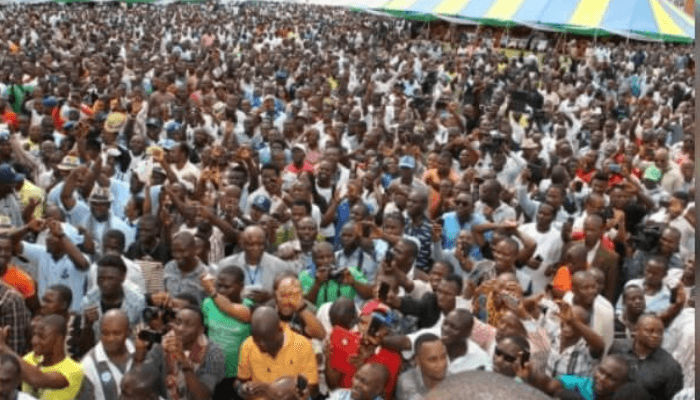
From the capital, Tehran’s universities, to poorer provincial towns, demonstrations have spread, accompanied by images of burning government buildings and harsh security responses. The state has reverted to one of its familiar styles, which is shutting down the internet to control narratives. But this time, the backdrop is very different, as Iran is now more isolated, militarily stretched and diplomatically exposed than at almost any point in recent times.

Also, the regional environment has shifted dramatically, as the fall of the Assad regime in Syria weakened Tehran’s strategic depth. Groups long aligned with Iran, including Hamas in Gaza and Hezbollah, have been severely degraded by Israel. Meanwhile, tensions with Israel escalated into a brief but intense confrontation that even saw limited US involvement. Against this background, the protests erupted, and then came the US’s shock move in Venezuela, which sent tremors through Iran.
Like Iran, Venezuela had positioned itself within an anti-American axis aligned with Russia and China. Yet when the US struck, those allies proved either unable or unwilling to respond. Tankers were seized, oil revenues choked, and a sitting president was removed with shocking speed. For Iran’s leadership, the message was unmistakable, and for Iran’s protesters, it was equally encouraging.
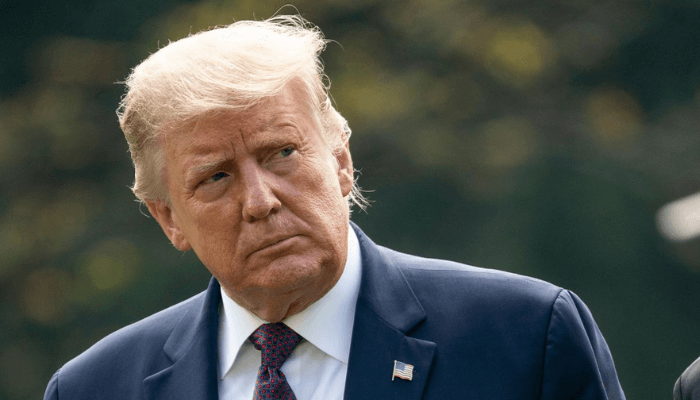
According to analysts and journalists on the ground, Venezuela quickly became a dominant topic in Iranian media and online discussions. It reinforced the perception that the US, under Donald Trump, is no longer content with sanctions and talks alone. Trump’s public warnings that the US was “locked and loaded” and would “hit very hard” if protesters were killed have effectively internationalised Iran’s domestic unrest.
This creates a dangerous feedback twist, as protesters feel encouraged, sensing that global pressure may restrain the regime. The government, on the other hand, feels cornered, aware that any violent crackdown could be used as justification for external action. The result is a volatile standoff in which miscalculation on either side could result in disaster.
Iran’s supreme leader, Ali Khamenei, is unlikely to face the same fate as Maduro in the short term. Iran’s system is deeper and more ideologically entrenched. But the psychological shock remains, as the knowledge that Russia and China may not intervene decisively and that the US threats are no longer theoretical has rattled Iran’s calculations in ways unseen before.

We know Nigeria today is not Iran, and it is not Venezuela. But it is a nation grappling with sustained economic hardship, rising living costs, unemployment and repeated waves of protest. More importantly, it is a nation of growing strategic interest to global powers, including the US. As the US restrategises its Africa policy, focusing on energy security, democracy narratives and geopolitical competition, Nigeria certainly features prominently.
The danger lies not in protest itself, which is a legitimate democratic expression, but in continuous, unresolved protest driven by economic despair and institutional failure. When hardship becomes permanent and trust in governance erodes, domestic issues begin to look, from the outside, like instability. And in today’s world, instability is often an invitation for foreign influence through sanctions, diplomatic pressure, and financial isolation or, in extreme cases, intervention.
Iran’s experience shows how economic mismanagement can escalate into a national security crisis. Venezuela’s story shows how prolonged dysfunction can strip a country of sovereignty. And as such, Nigeria must avoid both paths, as the first imperative is economic competence. Inflation, currency instability and unemployment are not just social problems; they are geopolitical weaknesses. A population pushed to the brink becomes explosive, and global actors are always watching for leverage points. The second point is responsive governance, as protest becomes most dangerous when citizens believe their voices no longer matter within the system.
Nigeria must also resist the temptation to externalise blame while ignoring internal reform. Iran’s leadership has long framed sanctions as the sole cause of hardship, even as corruption and mismanagement worsened the conditions at home. That narrative eventually collapsed under the weight of existing reality. Nigerians, too, are acutely aware when policies fail, regardless of global influences.
Above all, Nigeria must be strategic in its foreign relations. Non-alignment, diplomatic balance and internal stability remain the strongest shields against undue external influence, as an internally fractured nation can rarely negotiate from strength internationally.
The protests in Iran are not just about Iran but are a warning about what happens when economic pain, political rigidity and global power ambition collide. For Nigeria, the lesson is clear and urgent. Fix the economy, strengthen institutions, listen to citizens, and never allow domestic crises to become a pretext for external designs.