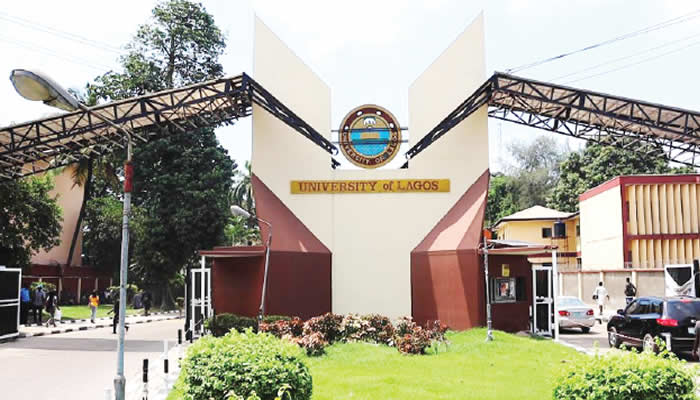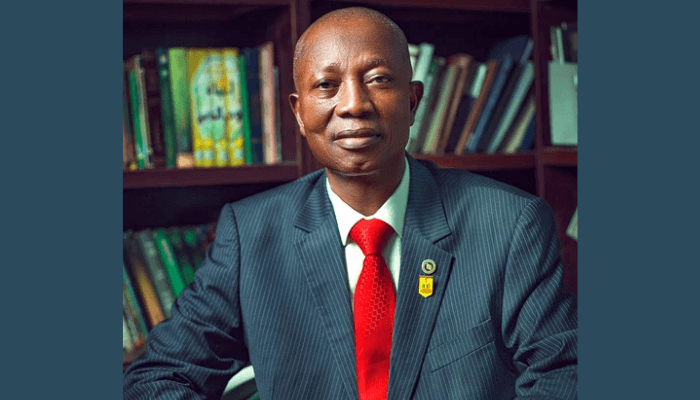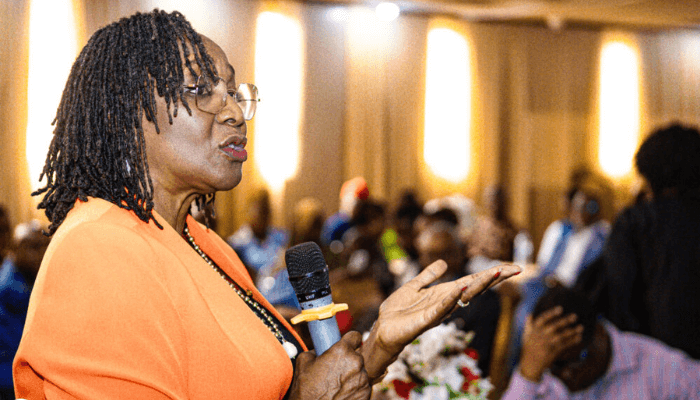
Folasade Ogunsola, vice-chancellor of the University of Lagos (UNILAG), has emphasised that Nigeria needs to deliberately scale its education system with a focus on delivering real-world impact, stressing that access without quality will not drive national development.
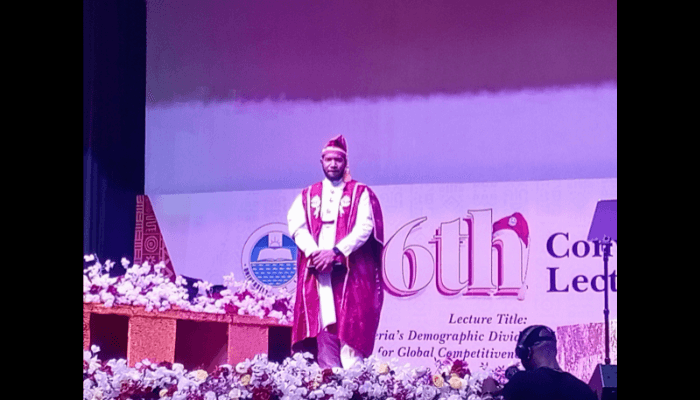
Ogunsola made the call at the university’s 56th convocation lecture, titled “Maximising Nigeria’s Demographic Dividend through urgent Education Reform for Global Competitiveness in the 21st century”, held on Monday, January 19, when she said that without urgent and strategic education reform, the country’s youthful population can become a burden rather than an asset.
“We need to catch them young. Education stands as the fulcrum for developing essential life skills that empower our youth for better employment, higher earnings and poverty reduction while also fostering innovation, economic growth and a more informed and cohesive society. “Therefore government must have a policy focus that is intentional towards creating access to education at scale, recognising emerging trends that offer quality and impactful learning experiences,” she said.
The vice-chancellor further noted that the 21st century global competitiveness depends on how well nations educate, scale and empower their people.

Read also: UNILAG ranks top in Nigeria, graduates 16,506 students in 2026
“Education today is not just a social service; it is a strategic investment in national development and global competitiveness.
“We live in an era defined by rapid innovation and constant change in how education is accessed and delivered. We can no longer rely solely on traditional methods of teaching, learning and research. There is an urgent need for more intentional engagement,” she noted.
She emphasised that in Nigeria, with a huge youthful population, the government must rethink the country’s education sector from the bottom up.
“Nigeria, with a population of 226 million, has a large and growing youth population with about 70 per cent under the age of 30 and the median age is 18.1 years. This large youth group must be educated to actualise their massive potential as a workforce and consumer base that is crucial for economic growth and for shaping our future.

“Our current models will not serve us well; we need to educate at scale. In 2023, 86 percent of Nigerians in the workforce didn’t have a post-secondary qualification. So how do we upscale and scale?” she queried.
The vice-chancellor revealed that Orodaam Otto was invited to share his perspectives and stimulate the university community to reimagine their strategies to educate Nigeria and harness the potential of the youthful population.
She said that she firmly believes that tapping into the potential of Nigeria’s demography, in the words of Kofi Annan, the former secretary general of the United Nations, who said, ‘knowledge is power, and information is vibrating. Education is the premise of progress in every society, in every family, and is the panacea to boosting the country’s economic development.