Nigeria Circular Economy Week 2026 will take place from February 16 to 19, in Lagos. The event is scheduled against a backdrop of population growth, rising waste volumes, increasing production costs and persistent youth unemployment. By 2050, Nigeria’s population is projected to double, placing pressure on infrastructure, resources and employment systems.
At the same time, shifts in trade, capital flows and production models are shaping market access across regions. Countries that show progress on sustainability, resource use and circular systems are attracting investment and trade interest. Within this context, the circular economy has moved beyond environmental discourse and entered the space of economic planning and enterprise strategy.
Nigeria Circular Economy Week 2026 is positioned as a platform to link these pressures with market responses. The programme will focus on how circular approaches can support value creation, enterprise growth and competitiveness across sectors. These include waste management, manufacturing, agriculture, construction, energy and consumer goods.
Circular models across these sectors are already creating new product streams, secondary materials markets and enterprise pathways. They are also linked to cost control, efficiency gains and employment across formal and informal value chains. Access to investors and buyers with sustainability requirements is also shaping business decisions, export readiness and procurement processes.

The four-day event will bring together policymakers at federal and state levels, investors, development finance institutions, enterprises, youth-led innovators, community actors, researchers and informal-sector representatives. The aim is to concentrate decision-making, financing discussions and market engagement within one platform.
Programme activities will include SME and enterprise showcases, which will present Nigerian circular businesses working across priority value chains. These sessions will focus on scale, procurement access, export potential and investment readiness, with direct engagement between enterprises, buyers and financiers.
Policy and state-level dialogues will examine tools that can be applied within existing systems. These include waste and resource management frameworks, enterprise support instruments and city-based pilot initiatives. Ministries, agencies and subnational governments are expected to take part in these discussions.
Investment conversations will address gaps in circular finance. Sessions will present funding vehicles, discuss patient capital and blended finance, and connect enterprises with investors seeking commercial pathways within circular models.
Research and innovation sessions will include the launch of circular economy research awards. These are designed to support applied research, academic and industry collaboration, and evidence use in policy and market development.

Trade and partnership engagements will build on earlier scoping missions. These sessions aim to support access to regional and international markets for Nigerian enterprises and to position Nigeria within circular economy trade networks.
Side events hosted by partners, industry groups, states and enterprises will run alongside the main programme. These events will provide space for announcements, product launches and programme presentations.
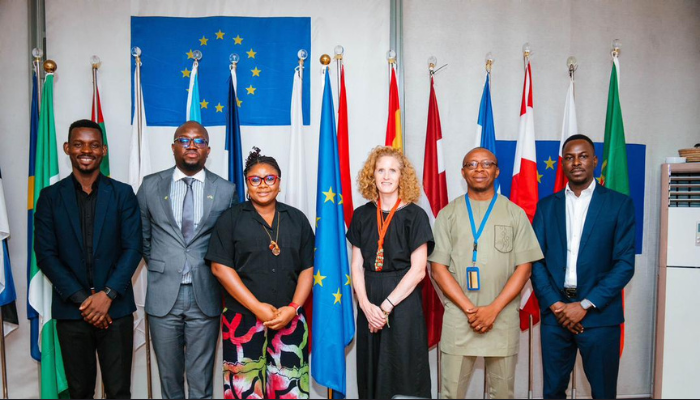
Nigeria Circular Economy Week is convened by the Circular Business Platform in collaboration with the Netherlands Consulate in Lagos, Holland Circular Hotspot, the European Union Delegation, the United Nations Industrial Development Organisation, Deutsche Gesellschaft für Internationale Zusammenarbeit (GIZ) GmbH, the Circular Economy Innovation Partnership and ecosystem partners.