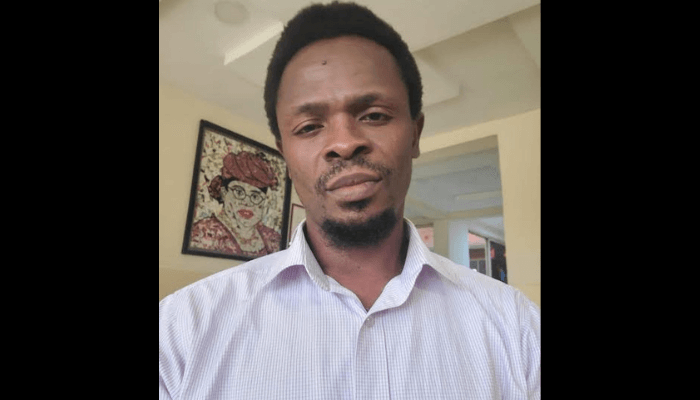
Temidayor Ayeni is a self–taught artist with a specialty in painting, sculpture and mixed media. His art captures deep emotions and human experiences, often drawing from everyday life. He expresses passion and creativity through his pieces, using art as personal voice. In this interview with NGOZI OKPALAKUNNE, Ayeni spoke on the challenges facing artists in the country and the way forward. During the interview, he emphasised the need to revive museum centers and art galleries, stressing that it would not only preserve Nigeria’s rich cultural heritage but also give a significant boost to cultural tourism. Excerpts:
What is driving your creativity?
My creativity is driven by the world around me, which include: the people, stories, colours, and emotions. Also, I am inspired by the beauty in everyday moments, and I’m always curious about how I can capture that on painting, paper or mixed media. Sometimes it’s a feeling, sometimes it’s a memory, but it’s always about translating something real into something visual.
Can you state what inspires your theme or subject?

My themes are inspired by the stories that shape our culture, nature, human emotions. I tap into personal experiences, Nigerian folklore, and everyday moments that speak to me. My subjects often reflect a blend of identity, memory, and the beauty in the mundane. I’m drawn to themes that spark curiosity and invite viewers to connect on a deeper level.
How did you balance painting with sculpture?
I switch between mediums depending on the story I’m telling and availability of materials, painting lets me dive into colors and textures, while sculpture gives me space to explore form and dimension. Sometimes I’ll start with a sketch and it’ll evolve into a 3D piece; other times a sculpture will inspire a painting.
What are the major challenges facing artists in the country? What is the way forward?
First of all, I will say that we do not appreciate our crafts in Africa because we see art as crafts that our forefathers have been doing a long time ago.

Even in the educational sector, some just use art to advertise their businesses, and in their minds, they might see it as a form of catching fun, while some take it as a serious subject.
Also, limited funding, inadequate infrastructure, and lack of government support are major challenges. Many of us struggle to access quality art materials, studios, and exhibition spaces, which hampers our creative process and productivity.
To overcome these challenges, we need to appreciate our crafts by changing our negative mindset toward art in Nigeria. We should stop seeing art as idolatrous tools. Art is used to express cultural and religious beliefs. I believe we need to leverage digitalisation, public-private partnerships, and skill development programmes.
We should also prioritise awareness creation, international collaboration, and patronage of artworks through art collectors.
Furthermore, the government can play a crucial role by providing essential art facilities, enforcing intellectual property laws, and offering grants and funding opportunities.
Besides, Africa and Nigeria in particular should embrace online platforms and digital tools to showcase artworks, reach wider audiences, and access global markets.
Investing in vocational training, workshops, and mentorship programmes to enhance skills and competitiveness among artists is also ideal.
In addition, educating the public about the value of art and the importance of supporting local artists is another solution to the challenges facing artists in the country.
Artists in the country should also partner with international artists, galleries, and institutions to access global opportunities and networks.
Many students seem not to be interested in studying art in a tertiary institution. What do you think is responsible and how can they be encouraged?
For students not to be interested in studying art in the higher institution is the fault of their parents and the general believe that art is not a lucrative career .
Many see art as unserious work, and that has been planted in the mind of the young ones.
Some of the talented ones in art are being discouraged from choosing art as a course of study in higher institution because of general held believe that they cannot get a good job after graduation.
The fact remains that art has more freedom than any other subject or courses in the higher institution. One can establish on his own after graduation.
To encourage students to study art in university involves showcasing the value of art in shaping culture, driving creativity, and solving problems.
We need to connect art to real-life issues like sustainability, identity, or tech innovation, show how art can be a powerful tool for change.
Students should be exposed to amazing Nigerian artists, their stories, and how art is woven into our culture.
Examples of renowned artists in the country include Peju Alatise, Segun Ayiesan and Muyiwa Akinwolere among others.
To encourage them, programmes like workshops, camps, or exhibitions where students can get their hands dirty and see the magic of creating art should be put in place.
There should be mentorship programmes where students would be paired with artists who can guide them on their journey.
Ultimately, it’s about showing students that art is a valid, impactful, and exciting path.
Museum centres and art galleries seem not be functioning like before, how can they be revived?
Reviving museum centres and art galleries in Nigeria requires a multifaceted approach. The government can start by increasing funding and support for these institutions, as well as implementing policies that promote art and culture. The National Gallery of Art, for instance, is already taking steps to digitise its collection and make it more accessible online.
Individuals can also play a crucial role by patronising local artists and galleries, and advocating for art education and appreciation.
There should be the creation of virtual exhibitions and online platforms to showcase Nigerian art, making it more accessible to a broader audience.
Museum centres and art galleries in Nigeria can collaborate with private companies and organisations to fund and support art initiatives, like the National Gallery of Art’s partnership with Goethe-Institute and Julius Berger Nigeria.
In addition, the establishment of art fairs, auctions, and online marketplaces to boost the local art market and support Nigerian artists can also help in the resuscitation of museum centres and art galleries in the country.
Capacity building is also ideal as it would provide training and professional development opportunities for artists, curators, and museum staff to enhance their skills and expertise.
Besides, the government can also learn from successful initiatives, such as the refurbishment of six national museums across the country, which aims to preserve Nigeria’s cultural heritage and promote cultural tourism.
In what ways do you think art has contributed to the nation’s development?
Art space has developed and changed a lot of things in Nigeria and globally. Art has transformed building structures with a touch of creative architectural works.
It has created a beautiful environment, such as street art, monument parks with erected statues, and also our code cultural dressings are improving every day.
What is your prudence piece?
My prudence piece is a painting titled “Roots and Leaves romance”. It’s a piece about interwoven roots. A male character toward a female, and leaves symbolising a female figure in response to romance.
For me, it’s about what we share and what we expect during relationship between male and female. Sometimes we share love, care, romance, protection and communication, just being together. It’s all about law of nature.
What is next for your creativity?
I’m actually brewing up a new series exploring the interplay of tradition and modernity in Nigerian life. Think vibrant colors, shapes, forms and bold.