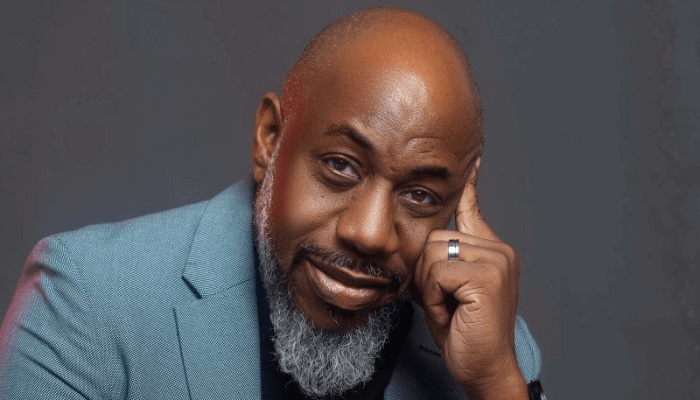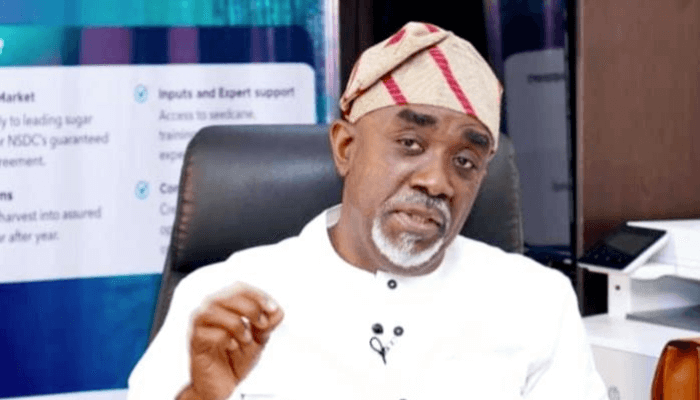
Ademola Esther is the chief executive officer (CEO) of iSell Global. She is a data analyst, artificial intelligence specialist, gospel filmmaker, and dynamic public speaker. Over the years, she has spoken at conferences organised by prominent institutions, including universities and the Global Entrepreneurship Network. Esther also consults for organisations in the United States, the Netherlands, and Nigeria, where she provides strategic guidance on artificial intelligence adoption, digital transformation, and organisational growth.
In this interview with SIKIRAT SHEHU, Esther shared insightful perspectives on Artificial Intelligence (AI) and its impact on Nigeria. She described AI as “a ladder for Nigerians to rise,” stressing that it offers opportunities for citizens to learn new skills, secure their jobs, reduce poverty, build a stronger workforce, and drive economic growth capable of producing global leaders. Excerpts:
What are your thoughts on the evolution of Artificial Intelligence?
The evolution of Artificial Intelligence is like watching a slow-burning fire turn into a massive blaze. It started small, but now it’s changing the world in big ways.

Back in the 1950s, AI was just an idea. Smart people like Alan Turing dreamed of machines that could think like humans. They held a famous meeting in Dartmouth, USA, where they wanted to make computers learn and solve problems on their own, it was exciting, but the tech wasn’t ready. Computers were huge, slow, and expensive. Early AI could play simple games like checkers, but it often failed at real-world tasks. This led to what folks’ call “AI winters.”
Things picked up in the 1980s and 1990s with machine learning. Instead of programming every rule, scientists taught computers to learn from data; however, limits are hit hard, not enough data or power.
The real boom came in the 2010s. Three things fuelled it: massive data from the internet, faster computers (thanks to GPUs), and better algorithms. Deep learning took off, letting AI handle images, speech, and more. Suddenly, our phones could recognise faces or translate languages in real time. Companies like Google and OpenAI pushed boundaries with models that generate text or art.
Now, in the 2020s, AI is everywhere. Tools like ChatGPT, built by OpenAI to create and help with daily stuff. We’ve got generative AI that writes stories, draws pictures, or even codes programs. But it’s not all smooth. We’re dealing with issues like bias in AI decisions, job losses from automation, and privacy concerns. Plus, the race for super-smart AI, raises questions: Will it help solve big problems like climate change, or create new risks?
Looking ahead, I think AI’s evolution will speed up even more. We’ll see it blend with robotics and medicine. But we need smart rules to keep it safe and fair. In the end, AI isn’t magic; its human ingenuity amplified. If we guide it right, it could make life easier and more exciting for everyone.

What would you say are the key benefits and disadvantages of AI?
Artificial intelligence (AI) is reshaping society in profound ways, touching everything from work and health to how we connect with each other. While it brings exciting advancements, it also raises serious concerns about inequality, ethics, and human well-being. Here’s a balanced look based on my recent insights.
Positive impacts
AI boosts efficiency and solves big problems. In healthcare, it helps diagnose diseases faster and personalises treatments, potentially saving lives and cutting costs. It enhances education by offering tailored learning tools, making knowledge more accessible to underserved groups. In workplaces, AI automates routine tasks, freeing people for creative work and driving productivity gains across industries like finance and transportation. Overall, it could improve the quality of life, from smarter cities to better accessibility for people with disabilities.
Negative impacts
On the flip side, AI risks widening gaps in society. Job displacement is a major issue, automation could replace roles in manufacturing, customer service, and even creative fields, leading to unemployment and economic inequality if not managed well. Privacy and surveillance concerns grow as AI powers data collection by companies and governments, potentially eroding freedoms. Bias in AI systems can perpetuate discrimination in hiring, lending, and policing, harming marginalized communities. Socially, it might weaken human connections; surveys show many worries, AI will make people worse at forming relationships or critical thinking. Deepfakes and misinformation spread faster, undermining trust in media and democracy. Environmentally, AI models consume massive energy and water, contributing to climate issues.
Way forward
In the 21th century, AI is embedded in daily life, but its full effects depend on how we handle it. Experts call for regulations to address biases, protect jobs, like preserving human agency in decision-making. I believe if guided responsibly, AI could drive progress; otherwise, it might amplify divisions. Society needs diverse voices from tech leaders to policymakers, to shape a future where AI serves everyone positively.
While AI is clearly here to stay, many Nigerians are concerned about its impact on human roles and job security. What is your perspective on these concerns?
It’s fair to say that Nigerians, like people everywhere, have real worries about AI taking up jobs and human roles. With unemployment already a big issue in places like Lagos, the idea of machines taking over tasks hits harder. But from my view these concerns are valid yet not the full story. AI isn’t just what we think it is, it’s more like a powerful tool that reshapes work, creating winners and losers along the way. Let me break it down simply.
Yes, AI can replace jobs, especially ones that are routine or repetitive. In Nigeria’s farming industry, which gives work to millions of people, using AI fully could cause more than 20 million job losses. This happens by automating tasks like planting or watching crops. Local banks have started using AI chatbots for customer service, which might reduce jobs for human workers. Around the world, reports say AI could eliminate up to 85 million jobs. For Nigerians, this could make inequalities worse, affecting women, older workers, and low-paid people.
However, AI doesn’t only affect jobs; it also creates and improves them. For every job that gets automated, new ones appear in areas like AI development, data analysis, or ethics monitoring. In Nigeria, young people can use AI tools to jump over old problems, such as weak infrastructure, and access global jobs in tech or freelancing. AI allows one person to do the work of many, which helps businesses grow and opens doors in fields like cybersecurity or health tech. By 2030, while some roles disappear, others will need AI skills, and overall productivity could rise, leading to more economic opportunities.
The key is preparation; learning new skills is the new way to keep your job safe. Learning AI basics could make you impossible to replace by combining human intelligence with machine power. In the end I’m optimistic that if we handle it well, AI could reduce Nigeria’s job shortage by starting innovation in everything from transport to media. It’s about changing and growing together.
Is there a connection between AI, education, and economic development? If so, how?
Yes, there’s a clear and growing connection between AI, education, and economic development. It’s like a cycle where each part fuels the others: AI makes learning better, smarter education builds a stronger workforce, and that drives bigger economic wins. AI is shaking up education in positive ways. It helps create personalised learning, where lessons match each student’s pace and style. For example, AI tools can spot weak spots in real time and suggest fixes, freeing teachers to focus on mentoring and human stuff like building confidence. In places like Nigeria, where access to quality education can be uneven, AI could bridge gaps by offering cheap, online tools for remote learning or skill-building in local languages.
Linking it to the economy. A well-educated workforce is key to growth, when people learn AI skills through better education, they handle complex jobs, innovate, and boost productivity.
On the other hand, Economic growth pushes more investment into AI and education. Overall, the tie is strong and hopeful if we act smartly. Governments and schools should prioritise AI in curriculums to build resilient economies. In Nigeria population, this could be a huge opportunity for growth.
What opportunities does AI present for Nigerians and other citizens to explore and benefit from?
AI is opening up a world of chances for Nigerians, turning tech dreams into real ways to build wealth, solve problems, and create jobs. I see AI not as a far-off gadget but as a tool right here in Nigeria and beyond, ready to lift people if we grab it. Let’s talk about the opportunities in plain terms, based on what’s happening now in 2026.
Skills training is exploding; it’s like free fuel for your career. Microsoft has already trained over 350,000 Nigerians in AI through their National Skills Initiative, aiming for 1 million by 2028, partnering with the government and local groups.
This means everyday folks can learn basics like using AI for data analysis or chatbots, leading to gigs in tech firms or even starting your own thing. Google.org just poured $2.1 million into Nigeria’s AI scene, funding programs like university courses and innovation challenges to build AI-ready grads. For other citizens in Africa or similar places, reports say AI could add $1 trillion to the continent’s GDP, creating millions of digital jobs in things like app development or remote data work. Imagine a farmer in rural Nigeria using AI apps to predict weather and boost crops; that’s real income growth.
Jobs are popping up everywhere. In Nigeria, platforms like TELUS Digital and Appen’s CrowdGen let you earn USD by doing AI tasks like labelling data or rating search results, no fancy degree needed, just pass a test and work from home. Some Nigerians pull in up to ₦8 million monthly, automating businesses with tools like OpenAI or Zapier. Globally, AI is creating roles in healthcare (like AI diagnostics), education (personalised tutoring), and finance (smart banking).
Entrepreneurship is another great opportunity. For example, create AI for Nigerian languages or solutions for traffic in Lagos. The government’s National AI Strategy supports this, with a goal to make Nigeria one of the top 50 AI ready countries. For people in other places, free resources like the federal government’s AI Academy or Google’s 12-month AI Pro access help you learn and even get internships with big companies like Intel.
These chances won’t last forever. Nigeria’s young population is a big advantage, but we need reliable electricity and internet to keep up. The main thing is to get started, begin with easy steps like using AI for making content, graphics, or research to earn money online. As some posts say, AI helps those who learn it, not replace them. In general, AI is like a ladder for Nigerians and others to rise up, from reducing poverty to becoming global leaders.
What advice would you give to Nigerians regarding the responsible and ethical use of AI?
AI is a game changer but it comes with responsibilities. If mishandled, it could spread bias, invade privacy, or even fuel fake news.
First, you need to know the basics and stay informed. Start by understanding how AI works, it’s not magic; it’s trained on data that can have flaws. Nigeria’s National AI Strategy stresses education on this, so take free courses from places like Microsoft’s AI Skills Initiative and the likes, always fact check AI outputs, especially on things like health or money advice, don’t treat AI as the final word, cross check with reliable human abilities.
Second, protect privacy and fight bias. When using AI, never give it personal information like names, health records, or financial details without making sure it’s safe. Nigeria’s data laws, like the NDPA, need consent and clear rules, so follow them to prevent harm. Also, watch out for bias, AI can treat groups unfairly because of poor training data, such as in hiring or loans. If you’re creating or using AI tools, check for fairness and report problems. In healthcare or law, always have human checks to spot mistakes.
Third, use AI for good, not tricks. Avoid creating deepfakes or spreading misinformation, especially with elections coming up, we’ve seen how fake videos can stir trouble. Instead, apply it ethically: farmers can use it for crop predictions, teachers for lesson plans, but always disclose when AI helped, like in research or work.
In the end, using AI responsibly is about balance: embrace it to solve problems like poverty or education gaps, but with eyes wide open. If we do this right, Nigeria could lead Africa in ethical tech.