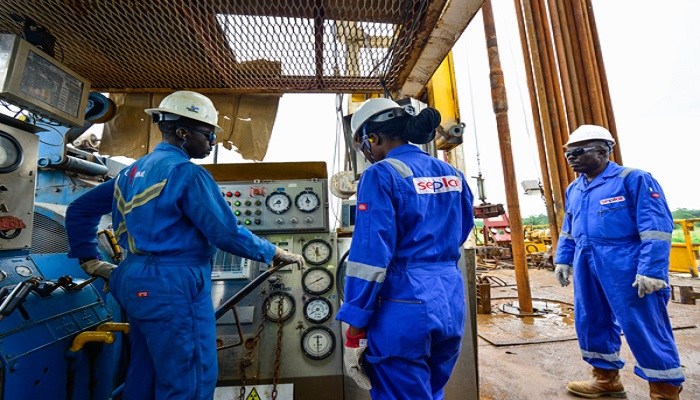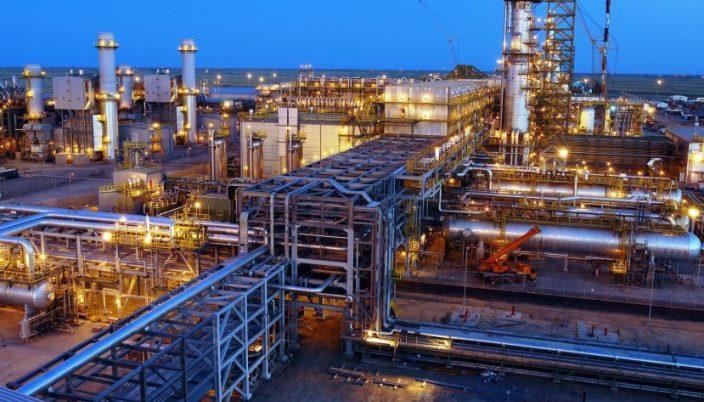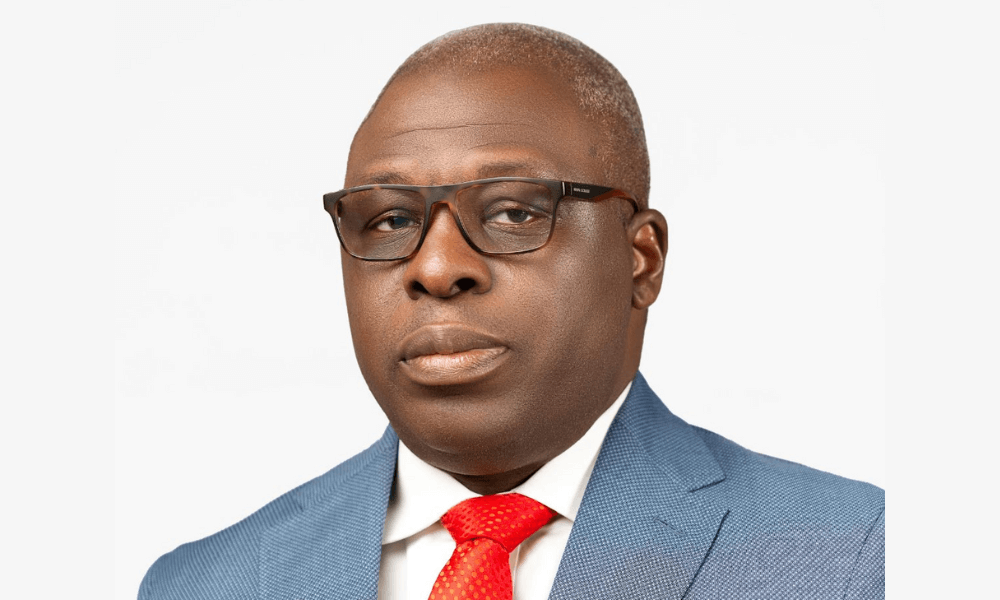
Nigeria’s vast gas reserves, long overshadowed by the country’s oil industry, are finally drawing investor interest, but their commercial potential will depend on the execution of recent reforms, Gbite Falade, Chief Executive of Aradel Holdings, has said.
Speaking at Pitching Nigerian Gas to Global Capital, a conference organised by Capitas Partners and Savannah Capital under the License to Energy Series, with support from Johannesburg-based policy think-tank, Good Governance Africa, Falade emphasised that Nigeria’s gas sector is entering a pivotal moment and becoming more investable.
“Our mission is to move the needle forward—to explore how Nigeria could more efficiently produce and monetise its full potential in gas”, he said.
Nigeria holds one of the world’s largest gas endowments, yet for decades gas was largely a by-product of oil production, flared or underpriced, and treated more as a national obligation than a commercial opportunity.

Falade noted that prior to the Petroleum Industry Act (PIA) of 2021, there was no clear framework for gas monetisation, leaving producers with limited incentives to invest.
“Gas suppliers were paid as little as ₦10 per thousand standard cubic feet—far below cost recovery. That was not a business. That was national sacrifice”, he said.
He noted that Nigerian Content Development and Monitoring Board, via its Nigerian Content Intervention Fund, provides single-digit, long-tenor loans of up to $10 million per obligor to support gas infrastructure, cylinders, pipelines, and storage.
According to Falade, Nigeria’s challenge has never been geology but rather structure, pricing and credibility.
“Today, things are beginning to shift. Nigeria is better positioned to transform gas from a by-product into a central driver of industrial and economic growth”, he said.

He argued that “only if licences translated into production, rules into projects, and confidence into capital can Nigeria complete the transition from gas as a national sacrifice to gas as an investable business?
Falade credited the PIA with creating a turning point, providing transparency, regulatory stability, and clearer pricing frameworks that investors value.
“Regulatory maturity has fostered investor confidence,” he said, noting that Aradel affiliates now supply more than 70 million standard cubic feet of gas per day, while other players, such as ND Western and Renaissance Africa, are expanding domestic and export production.
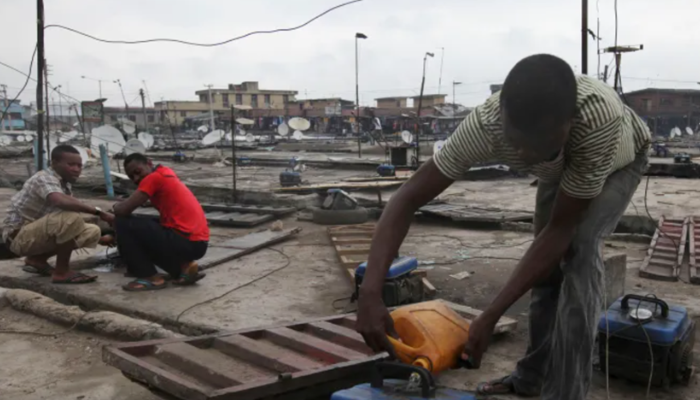
Experts, however, noted that the sector’s growth had also been constrained by infrastructure bottlenecks, particularly reliance on the single Escravos–Lagos Pipeline System and by weak power-sector linkages. Subsidised tariffs meant electricity generators were unable to meet obligations to gas suppliers, discouraging new upstream investment.
Investors at the conference agreed that the sector’s trajectory is improving but stressed that capital remains selective.
Segun Olujobi of Vertex Energy, said credible offtake, governance standards, and execution discipline are critical for bankability. “Capital responds to comfort,” he said, highlighting the importance of repayment history, transparency, and partner quality.
Oritsemeyiwa Eyesan, newly-appointed Head of the Nigerian Upstream Petroleum Regulatory Commission (NUPRC), pledged to reposition the regulator as a business enabler, accelerate approvals under the PIA, and facilitate licensing rounds.
Jennis Anyanwu, Deputy Director of Gas Production and Utilisation at NUPRC, noted that the country has more than 50 trillion cubic feet of gas available for monetisation, supported by 19 primary gas-related regulations designed to balance exports with domestic industrial use.