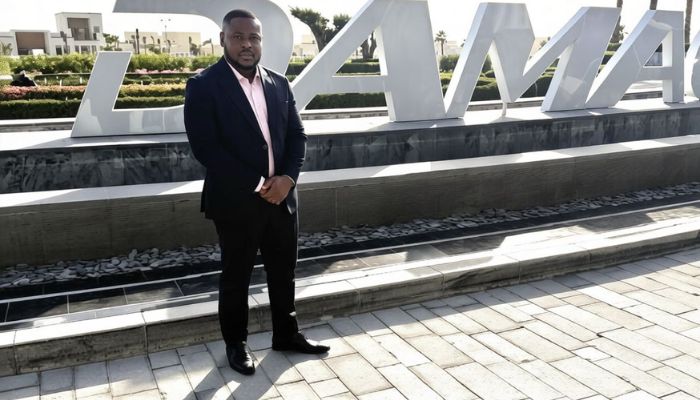
Dubai’s real estate market is moving into a more mature and stabilised phase in early 2026, with international investors increasingly prioritising sustainable, long-term returns over short-term speculative gains, according to Olugbenga Owuye, Dubai-based real estate investment consultant.
Owuye, who advises global investors on property acquisitions in the emirate, said the current cycle is being driven by structural demand rather than the speculative momentum that characterised earlier booms.
“Dubai’s real estate growth today is driven by real demand, not speculation,” Owuye said. “Population growth, business relocation and lifestyle migration continue to expand the end-user base, while record tourism supports rental absorption.”
Dubai’s population has now exceeded 4 million, supported by an inflow of high-net-worth individuals relocating for business and lifestyle reasons. This, Owuye said, has helped sustain demand for premium residential properties despite global economic uncertainty.

However, he cautioned that many international investors still make decisions based on popularity rather than fundamentals, a mistake that can erode returns over time.
“The most common mistake is buying hype instead of fundamentals, choosing a project because it is popular rather than because it is in a strong, demand-driven location,” he said. “Others underestimate service charges, vacancy risks and developer quality, especially in off-plan investments.”
Owuye said his advisory approach focuses on established communities and developers with proven delivery records. Areas supported by multiple demand drivers, including transport links, employment hubs and lifestyle amenities, tend to retain liquidity even during market slowdowns, he added.
Against a backdrop of volatile global markets, Owuye said real estate investments should be positioned primarily as wealth preservation tools rather than pure growth plays.
“In a volatile global economy, real estate should be treated as a dual-purpose asset: preservation first, growth second,” he said. “Markets like Dubai work best when investors focus on quality assets that generate income, stay occupied and maintain resale demand.”

Looking ahead to the next three to five years, Owuye expects prime residential districts and well-planned family communities to show the strongest end-user demand. While some segments may face supply-led adjustments, high-quality assets in areas such as Dubai Hills Estate and Arabian Ranches are likely to continue offering a combination of income stability and capital appreciation.
“In Dubai, performance is increasingly determined by where and what you buy, not simply when,” Owuye said.
Dubai remains one of the world’s most investor-friendly property markets, and demand for professional, data-driven advisory services is rising as investors seek to secure long-term positions in the emirate’s evolving real estate landscape.