…as thousands face fresh displacement
Local and international civil society organisations (CSOs) have accused the Lagos State Government of carrying out violent and unlawful demolitions in Makoko and other waterfront communities.
In a joint statement issued on Tuesday and signed by Health of Mother Earth Foundation, Corporate Accountability and Public Participation Africa Environmental Rights Action Friends of the Earth Nigeria and the Rafto Foundation for Human Rights, among others, the CSOs called on Lagos State Government to immediately halt all demolitions.
They warned that the actions are deepening Lagos housing crisis and exposing thousands to homelessness.

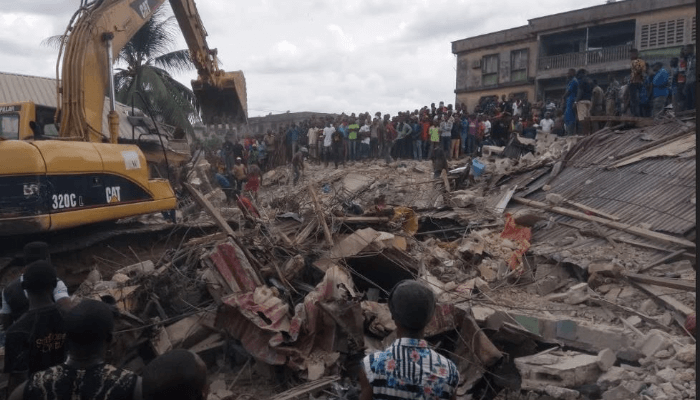
They alleged that armed teams razed homes, schools, clinics and places of worship, adding that tear gas and force were reportedly used against residents, including women, children and the elderly.
Read also: NGOs warn of humanitarian crisis as Lagos evicts Makoko waterfront residents
The organisations said hundreds of families in Makoko alone had been displaced within days.
“Many are now sleeping in boats churches and open spaces along the Lagos Lagoon”, they said.
Over the past year similar operations were said to have displaced tens of thousands of people across communities such as Oko Baba, Ayetoro, Otumara, Baba Ijora, Oworonshoki and Precious Seeds.

The statement said most demolitions were carried out without notice consultation or resettlement plans.
Rights groups said, in several cases, homes were set ablaze with personal belongings, alleging that deaths had been recorded during past evictions in Lagos waterfront settlements.
Makoko described as a historic fishing community, which was estimated by civil society groups to have housed more than 100,000 residents.
The area supports livelihoods tied to fishing timber processing and informal trade that serve a significant part of Lagos food economy.
The organisations accused the Government of ignoring court injunctions. They said several affected communities had pending cases restraining demolitions.
Read also: Demolitions: When rule of law goes awry
The actions, they said, violate constitutional protections and international human rights obligations to which Nigeria is a signatory. Nigeria already faces an estimated housing deficit of over 20 million units according to industry and government figures.
The groups warned that forced evictions are worsening the deficit while pushing low income residents further into poverty.
They also demanded respect for court orders, independent investigations into reported abuses and the provision of compensation and alternative housing.
The groups urged authorities to adopt rights based and environmentally sustainable urban planning, stating that development must prioritise housing, security livelihoods and human dignity rather than forced displacement.