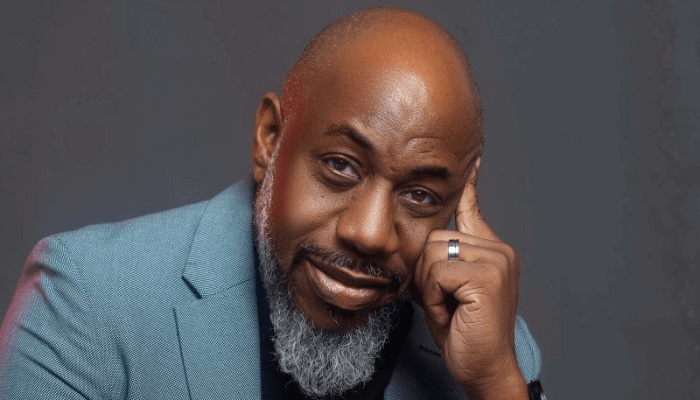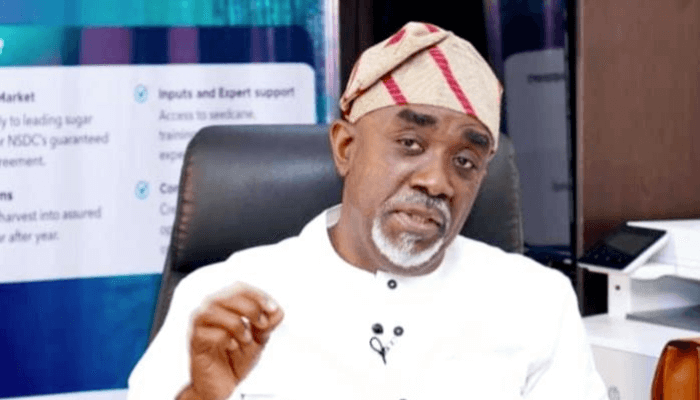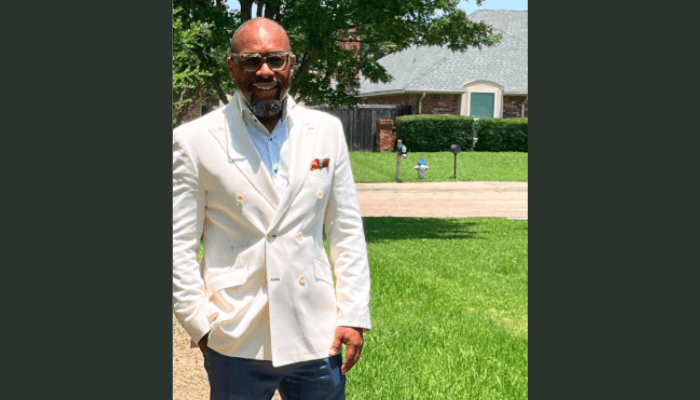
Bolaji Rilwan Raji, convener, Game Changer Group (GCG), is the founder of New Dawn for Women & Community Intervention Initiative. He is the chairman/CEO of Blackwell Petroleum Ltd, Blackwell Productions Ltd, West Africa Spirit, Poseidon Salvage Nig Ltd, Ghana Diplomat Guest House and Suites, and Blackwell Oil and Gas Ghana Ltd. Raji, a non-political office holder, is however, instrumental to the emergence of President Bola Ahmed Tinubu as presidential candidate of the All Progressives Congress (APC) in 2022. Ahead of the next round of general election in 2023, he believes that the president deserves a second term. He spoke with a few editors on a number of national issues. ZEBULON AGOMUO brings the excerpts:
As an insider in the corridors of power, how would you describe political leadership, governance and mandate delivery in Nigeria?
Nigeria’s political leadership evolved from pre- and post-colonial eras. After independence, Chief Obafemi Awolowo (Action Group, South West), Sir Ahmadu Bello (NPC, North), and Chief Nnamdi Azikiwe (NCNC, East) emerged as key figures. These leaders ushered in the First Republic, with Azikiwe as ceremonial President, Balewa as Prime Minister, and Awolowo as opposition leader. Each region prioritised different policies: The South West focused on education, agriculture, and infrastructure; the South East on agriculture, commerce, and infrastructure; and the North on agriculture and infrastructure. Healthy developmental rivalries led to job creation. However, political tensions escalated, contributing to the collapse of the First Republic in the 1966 military coup. Subsequent military rule stagnated political development, hindering leadership and governance. Currently, President Bola Tinubu’s leadership has revitalised political leadership, governance, and job creation.
During campaigns, Nigerians are sweet-talked into voting some politicians, but the story is always different when such politicians get into office. What is really the problem?

Politics is unfortunately perceived as a business rather than a service, prioritising profit over purpose through marketing strategies. While blame is unproductive, local communities should learn from the prioritising President’s leadership and governance to guide the selection of future political leaders, achieving the renewed hope agenda.
As an insider from 1993, what would you say shaped the annulment of the 1993 election of Abiola, and who are the unknown characters in the plot?
June 12 remains a significant and troubling event in Nigerian history. I have long sought answers regarding its annulment, drawing on my involvement in Hope 93, accounts from key figures, and extensive research. No explanation seemed satisfactory until the President’s renewed hope agenda, which I now see as a divine answer. I recall a meeting at former President Olusegun Obasanjo’s Ota Farm, where he invited top retired military officers, political leaders, and religious figures. At the meeting, Obasanjo conveyed the military’s rejection of Chief Moshood Abiola, creating a stunned silence. Gen. Mohammad Buhari (rtd) challenged Obasanjo, asking who these dissenting Generals were and affirming Abiola’s victory and acceptability to him. He then left the meeting in protest, followed by Col. Umar Kangiwa, Admirals Ebitu Ukiwe and Ndubuisi Kanu. Yoruba Generals Adeyinka Adebayo and Alani Akinrinade were also present. Generals Akinrinade and Kangiwa can still verify this account. At 28, I accompanied my uncle, Alhaji Tajudeen Cole, to this meeting. I questioned why Buhari and Kangiwa, both Fulani, advocated for June 12’s validation, while Generals Babangida and Abacha, who annulled the election, were not Fulani. Yet, many Nigerians, particularly Yorubas, still hold the Fulani responsible for the annulment.
The 1993 election was described as the freest in the country. What roles did the Yorubas and others involved play to validate the election?
The annulment of June 12 was a deeply painful period for Yorubaland, surpassing even Chief Obafemi Awolowo’s imprisonment in the First Republic. Many Yoruba people, both politicians and non-politicians, viewed it as an existential threat, igniting a fierce determination reminiscent of the old Oyo Empire. Prominent elders, including Chief Adekunle Ajasin, Chief Abraham Adesanya, Chief Bola Ige, Prof. Wole Soyinka, Dr. Beko Ransome-Kuti, Prof. Bolaji Akinyemi, Chief Wahab Dosunmu, Chief Cornelius Adebayo, Chief Reuben Fasoranti, Chief Olu Falae, Chief Ayo Opadokun, Bishop Bolanle Onigbogi, Generals Adeyinka Adebayo and Alani Akinrinade, Chief Gani Fawehinmi, Chief Fredrick Faseun, Asiwaju Bola Ahmed Tinubu (President), Chief Femi Falana, Chief Bayo Onanuga, Wale Osun, Chief Femi Ojodu, Yinka Odumakin, and Dele Momodu, among others, led the charge, alongside youth vanguards like Aare Gani Adams. Alliances were forged with progressives from other parts of the country, including Gen. Theophilus Danjuma, Col. Umar Kangiwa, Admirals Ndubuisi Kanu and Ebitu Ukiwe, Chief Sam Mbakwe, Chief Anthony Enahoro, Chief Alfred Rewane, Rev. Fr. Moses Adasu, Chief John Odigie Oyegun, Senator Shehu Sani, and Uba Sani (Governor of Kaduna), Chief Olusegun Osoba and Chief Bisi Akande, to name a few. The women’s wing was spearheaded by Alhaja Habibat Mogaji, the President-General of market women, and mother of the current president. I recall those days and the trips to Igbosere court, Mama Mogaji’s energy and inspiring leadership. This movement led to the formation of NADECO, a platform dedicated to revalidating the annulled election. While many leaders were forced into exile, Bola Ahmed Tinubu became a central figure and rallying point for the struggle. The fight to revalidate June 12 also extended to the Niger Delta, contributing to the region’s struggle for emancipation, though internal conflicts ultimately hampered its goals.

It is believed in some quarters that the current hardship and difficulties in the country came with the All Progressives Congress (APC) government What is your take?Â
It’s unfair to blame the APC for all of Nigeria’s hardship and poverty. While I’m not an APC spokesperson, it’s undeniable that challenges exist. However, Nigeria wasn’t prosperous during the PDP’s 16 years either. The President has repeatedly acknowledged these difficulties and is working tirelessly to deliver on the promises of renewed hope for prosperity, security, and good governance. From day one, facing a budget without fuel subsidies, he’s led from a disadvantaged position. Few leaders in our history, military or civilian, have shown such empathy; yet, he’s been forced to enact unpopular policies requiring immense courage. Though positive changes are emerging, political opposition remains unsatisfied.
Given your critical role in Bola Tinubu’s emergence as the APC flagbearer, would you still support his candidacy in 2027, considering the evident shortcomings of his administration?
My contributions were crucial to President Bola Ahmed Tinubu’s success. Seyi Tinubu, the Okanlomo of Yoruba land, can verify this. Notably, I initiated the integration of Southern Kaduna people into the APC and brought Senator Danjuma Lar, then a PDP senator, to support the President. Senator Lar, Femi Gbajabiamila, Honourable Femi Bamishile and Seyi Tinubu can all attest to this. This was just one of many strategies I implemented. InshaAllah, I hope to make history with the President again in 2027. Nigeria is blessed with opportunities, and this President encourages self-sustainability. For the first time in years, Nigerians did not experience the usual December petroleum scarcity, and surprisingly, petroleum prices and transportation costs decreased during the festive period. The renewed hope agenda is clearly underway, and we must continue its growth towards a prosperous future.
Given the widespread economic disarray, do you, as an insider, believe the current political appointees have performed excellently?
This is a sensitive issue due to its potential negative consequences. Nigeria’s federal system, as enshrined in the Constitution, requires each state to nominate individuals for ministerial appointment. While the President is bound to select from these nominees, regardless of their suitability, the National Assembly then screens them. Consequently, the President’s choices are limited by constitutional constraints, preventing unilateral decisions that could be construed as dictatorial.
In what ways have you helped President Bola Tinubu and his government to have legacies that will outlive him?Â
Having achieved success in education, wealth, influence, family, and health, the President now likely seeks to solidify his legacy. As a dedicated, behind-the-scenes contributor to his administration’s effective governance, I anticipate showcasing our achievements, as all will be evaluated on their merits. My primary hope is for the completion and release of Jim Obazee’s special investigation, which I initiated early in the administration, as it would greatly enhance the President’s legacy.