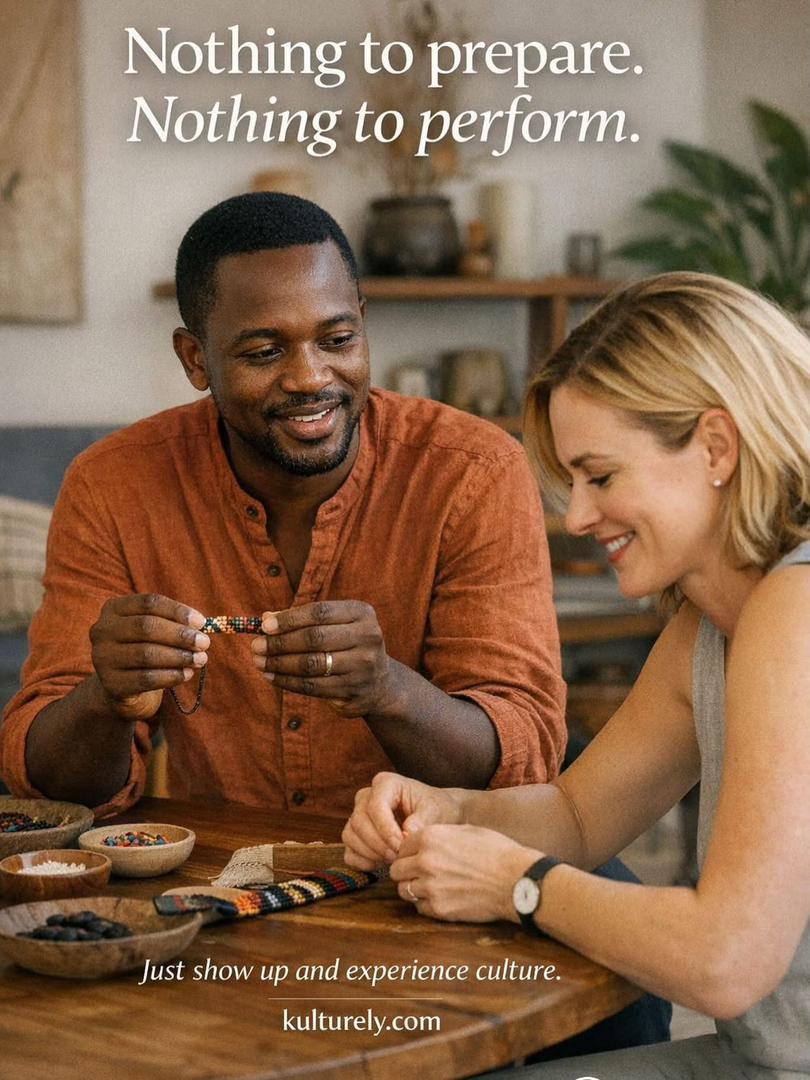
Kulturely Ltd recently launched Kulturely, the world’s first marketplace dedicated exclusively to African cultural micro-experiences—offering a new, identity-led way for people to share and experience culture in real time.
Designed for both hosts and guests, Kulturely enables Africans in the diaspora to earn income by sharing everyday cultural moments including food, music, language, humour, lifestyle, city knowledge, and personal stories. In turn, guests gain direct access to authentic African culture through intimate, human-led experiences rather than formal tours or staged events.
Kulturely soft-launched on December 1, 2025, and early demand has exceeded expectations, with more than 1,480 people joining the waitlist before launch and over 320 hosts currently being onboarded across multiple UK cities.
The platform enters a thriving UK experience economy valued at £134 billion annually, while tapping into the global African diaspora of more than 350 million people.

With more than 1.5 million Africans living in the UK, Kulturely arrives at the intersection of two powerful global trends: the rise of the experience economy and the growing desire for meaningful cultural connection.
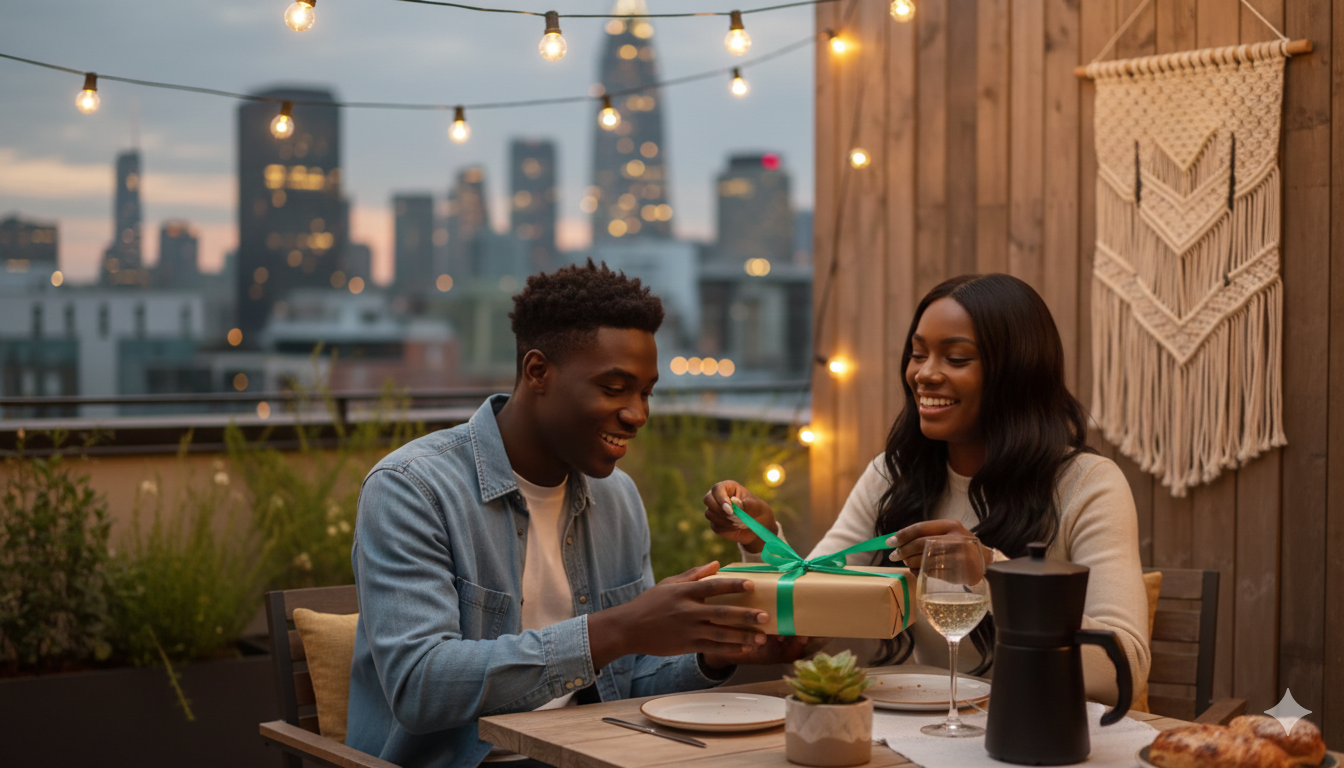
Kulturely is a first-of-its-kind cultural experience marketplace where diaspora Africans can host micro-experiences—from hangouts and food sessions to city walks, cultural lessons, creative activities, nightlife guidance, and authentic conversations—earning directly from their identity and lived experience.
Guests, including locals, tourists, students, and Africans reconnecting with community, can book real people to experience African culture in a personal, unscripted, and deeply human way. Unlike traditional tourism or events, every interaction on Kulturely is rooted in identity, authenticity, and shared humanity.
Moving to a new country can be isolating, and many Africans in the diaspora experience cultural disconnection and a lack of spaces where they feel seen. Meanwhile, interest in African culture is rising among non-Africans, yet trusted ways to access authentic experiences remain limited.
Kulturely aims to bridge this gap by creating a flexible income route for Africans based on culture rather than qualifications, reconnecting diaspora communities with a sense of belonging and visibility, and giving guests a safe, trusted way to access African culture through real people. In doing so, the platform humanises cultural exchange and strengthens community through meaningful shared experiences.

Kulturely creates value for Africans in the diaspora seeking income and cultural expression; for students, new arrivals, and long-term residents looking for connection and belonging; and for travellers, tourists, creatives, and culture-curious locals who want genuine African cultural experiences. It also benefits wider communities by reducing isolation and increasing cultural visibility.
Kulturely is pioneering a new digital category—identity-led cultural micro-experiences.
No other platform is built solely around African cultural expression hosted by African locals.
No other marketplace allows lifestyle, personality, and lived experience to become earnable assets. Kulturely represents a new frontier: not tourism, not events, and not accommodation—a culture-first human experience economy.
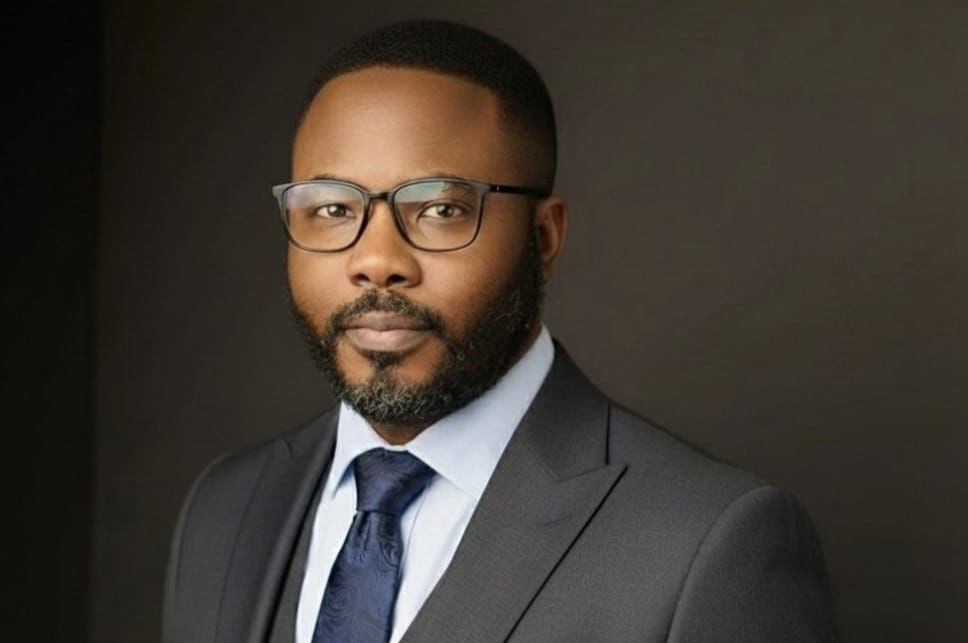
Daniel Iloh, Founder of Kulturely, told reporters that, “Africans in the UK and across the world carry culture in everything we do—our food, humour, stories, music, and the way we move through life. These things have value. Kulturely gives Africans a way to earn from who they already are, without changing themselves to fit anyone else.”
Etoroma Genesis, Co-founder added. “For travellers, students, and locals, Kulturely offers a safe, human, and unforgettable way to meet Africans and experience culture in real time. And for Africans, it unlocks a flexible income engine that doesn’t require qualifications—only authenticity.”
Kulturely launches with clear market fit and a scalable model designed to expand city by city across the UK before entering Europe, the United States, and Africa.